

Company Profile
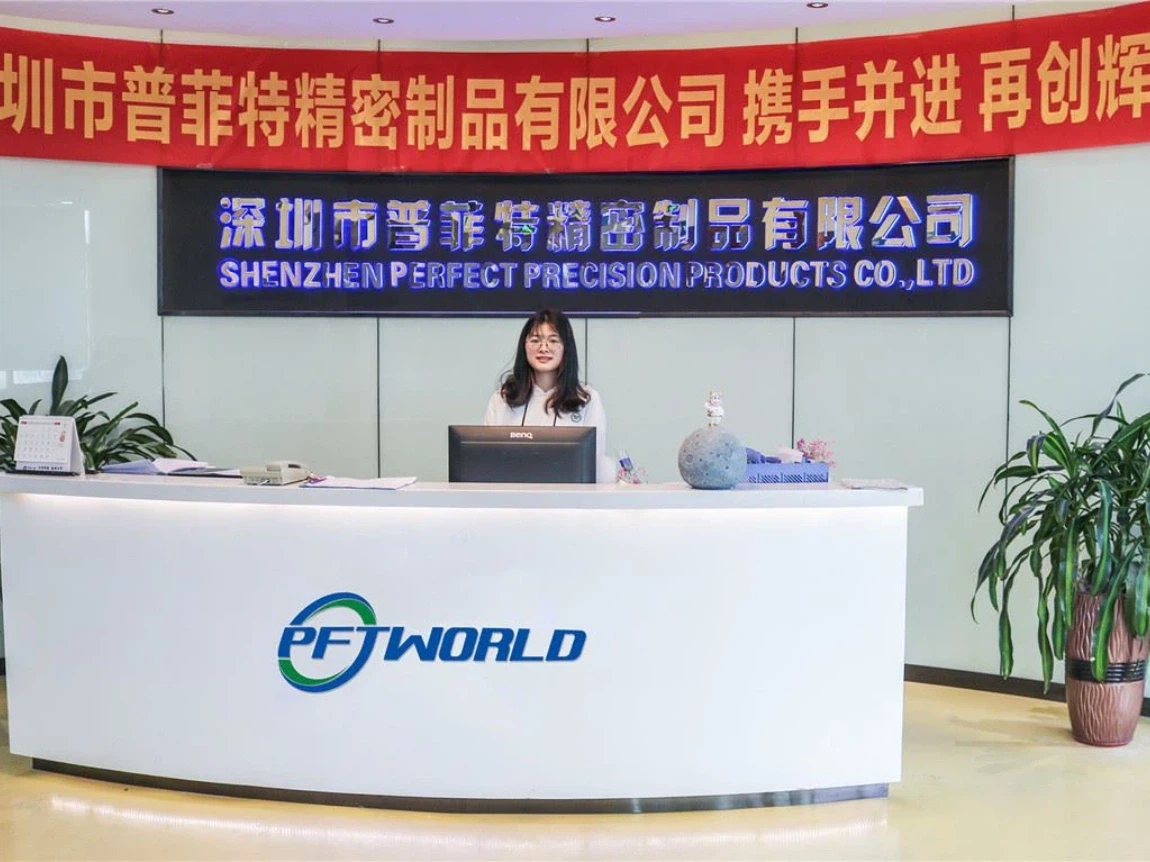
Shenzhen Perfect Precision Products Co., Ltd was established in 2012 with a registered capital of 1 million. It established a foreign trade team in 2014, passed the IS09001 quality system certification. It was awarded the title of Guangdong Contract and Trustworthy Enterprise in 2018, and passed the certification of high-tech enterprise and intellectual property management system in 2019. In 2020, the office area has been expanded to 5000 square meters, the total number of employees has reached 70, and the digital chemical plant has been realized in 2021.
Why Choose Us
Our Factory
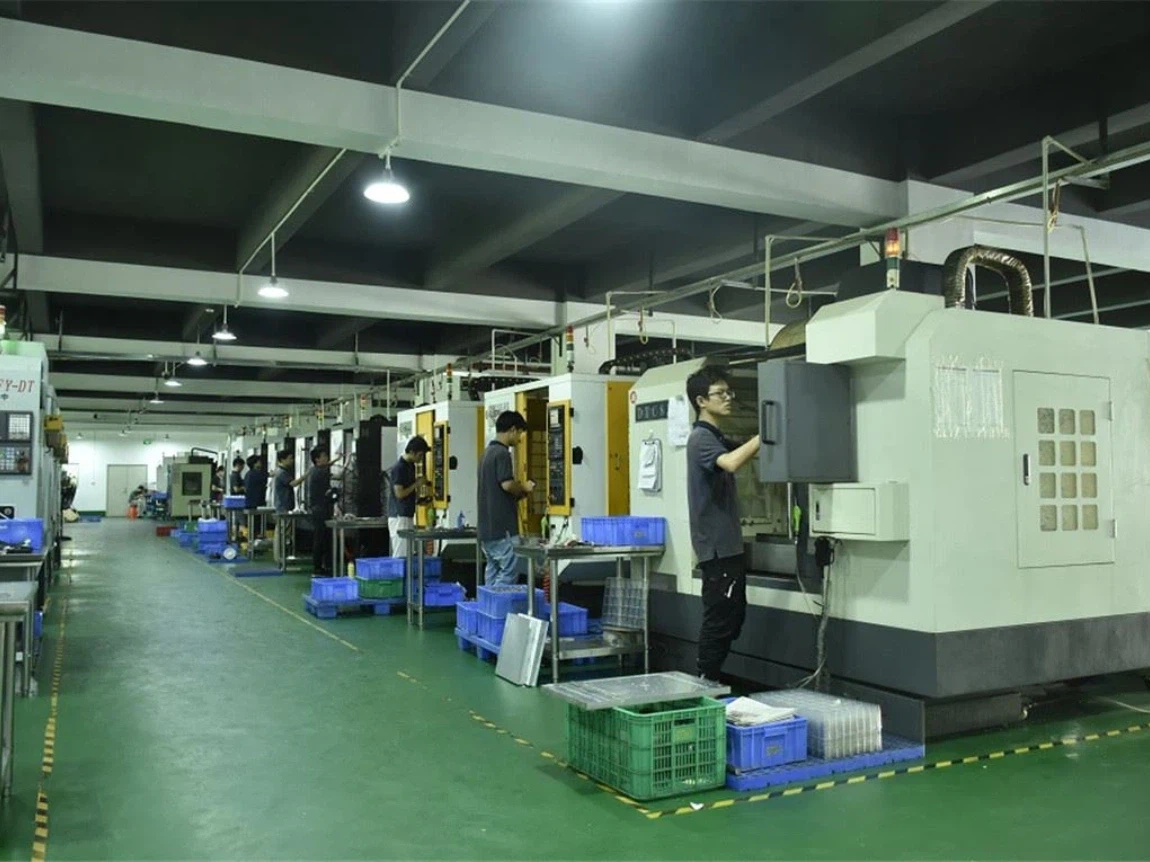
Shenzhen Perfect Precision Products Co., Ltd is a precision engineering manufacturer based in South China Shenzhen, specializing in the supply of high quality machined components in a variety of materials, utilizing the latest CNC turning, CNC milling, Multi-Spindle machining, sheet metal fabrication, injection molding, laser cutting, and stamping technology.
Our Certificate
ISO9001:2015,AS9100D,ISO13485:2016,ISO45001:2018,IATF16949:2016,ISO14001:2015,ROSH,CE etc.
Production Equipment
There are about 50-60 machines, most of which are imported from the United States and Japan, such as HAAS VF-2SS (5 axis) in the United States and TSUGAMI B0206 (6 axis) in Japan.
Our Service
Pre sales service: Customer sends drawings or expresses samples, informs salesman the required materials, surface treatment and order quantity. We can provide quote within 3 hours, 7 days for prototypes, support for OEM/ODM.
-

Metal Spinning Services
Unleashing Potential with Custom Metal Spinning Services. A Factory Marketing PerspectiveTitanium Alloy Parts: Advantages Beyond Compare. . Precision Machining Parts. . Machinery Axis: 3,4,5,6. Add to Inquiry -
Metal Bending Services
Unlock Your Business Potential with Reliable Metal Bending ServicesTitanium Alloy Parts: Advantages Beyond Compare. . Precision Machining Parts. . Machinery Axis: 3,4,5,6. Tolerance:+/- 0.01mm . Add to Inquiry -
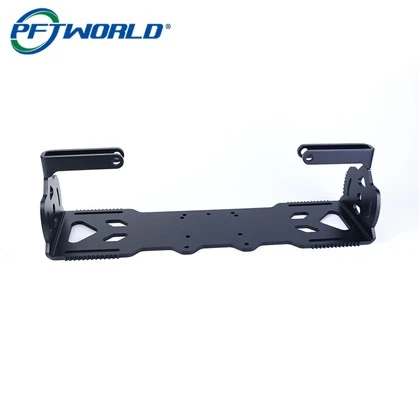
Black Anodized Aluminum Equipment Mounting Base Structura...
Precision Machining Parts. . Machinery Axis: 3,4,5,6. Tolerance:+/- 0.01mm . Special Areas : +/-0.005mm . Surface Roughness: Ra 0.1~3.2 . Supply Ability:500000Piece/Month. 1-Piece Minimum Order . Add to Inquiry -
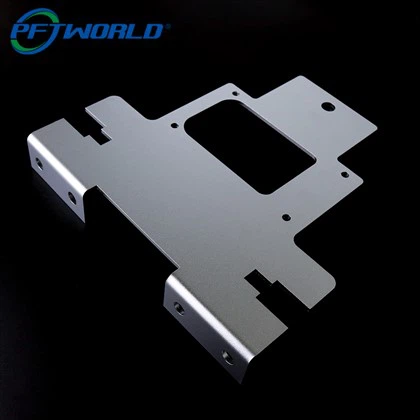
Custom 5052 Aluminum Sheet Metal Mounting Bracket Laser C...
Precision Machining Parts. . Machinery Axis: 3,4,5,6. Tolerance:+/- 0.01mm . Special Areas : +/-0.005mm . Surface Roughness: Ra 0.1~3.2 . Supply Ability:500000Piece/Month. 1-Piece Minimum Order . Add to Inquiry -
Custom Precision CNC Machined Aluminum Parts – Sandblasti...
These are precision CNC machined aluminum parts fabricated through a rigorous multi-stage process: laser cutting → precision grinding → precision bending → sandblasting → Add to Inquiry -
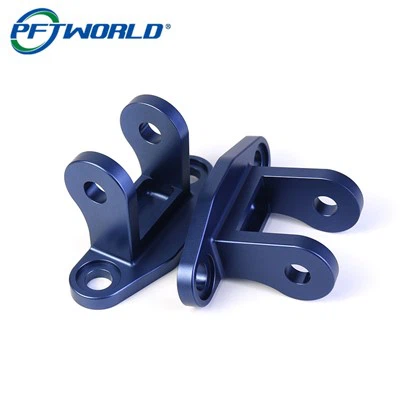
Premium Custom CNC Aluminum Parts Precision Milling Anodi...
Precision Machining Parts. . Machinery Axis: 3,4,5,6. Tolerance:+/- 0.01mm . Special Areas : +/-0.005mm . Surface Roughness: Ra 0.1~3.2 . Supply Ability:500000Piece/Month. 1-Piece Minimum Order . Add to Inquiry -
Custom CNC Machined Aluminum Parts Precision Laser Cuttin...
Precision Machining Parts. . Machinery Axis: 3,4,5,6. Tolerance:+/- 0.01mm . Special Areas : +/-0.005mm . Surface Roughness: Ra 0.1~3.2 . Supply Ability:500000Piece/Month. 1-Piece Minimum Order . Add to Inquiry -
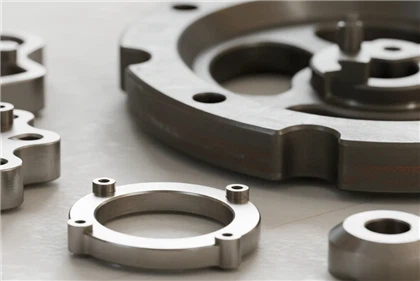
Laser Cutting CNC Milling Cutting 304 Steel Parts
Precision Machining Parts. . Machinery Axis: 3,4,5,6. Tolerance:+/- 0.01mm . Special Areas : +/-0.005mm . Surface Roughness: Ra 0.1~3.2 . Supply Ability:500000Piece/Month. 1-Piece Minimum Order . Add to Inquiry -
Rivets, Screen Printing, Wire Drawing, Laser Cutting, Ben...
Precision Machining Parts. . Machinery Axis: 3,4,5,6. Tolerance:+/- 0.01mm . Special Areas : +/-0.005mm . Surface Roughness: Ra 0.1~3.2 . Supply Ability:500000Piece/Month. 1-Piece Minimum Order . Add to Inquiry -
Common CNC Fabrication Services
Precision Machining Parts. . Machinery Axis: 3,4,5,6. Tolerance:+/- 0.01mm . Special Areas : +/-0.005mm . Surface Roughness: Ra 0.1~3.2 . Supply Ability:500000Piece/Month. 1-Piece Minimum Order . Add to Inquiry -
Stamping Parts Manufacturer- Solutions
Leading stamping parts manufacturer offering precision progressive stamping, deep drawing, and secondary operations with ISO-quality control and rapid prototyping. Introduction A reliable stamping Add to Inquiry -
Laser Cutting Machine
Place of Origin: Guangdong, China. Brand Name: PFT. Certification: ISO9001:2015,AS9100D,ISO13485:2016,ISO45001:2018,IATF16949:2016,ISO14001:2015,RoSH,CE etc.. Model Number: OEM. Payment & Shipping Add to Inquiry






What is Sheet Metal Fabrication
Sheet metal fabrication is a manufacturing technique that involves making products from flat metal sheets. As a result, you can fabricate sheet metal using different methods involving advanced machinery to form, bend, cut, and assemble metal into any preferred shape.
The various sheet metal fabrication process is compatible with many metal materials. These include stainless steel, aluminum, copper, brass, zinc, and steel. The thickness of these metal sheets ranges from 0.006 to 0.25 inches. Thinner gauges offer increased malleability, while thicker ones are perfect for heavy-duty applications.


Benefits of Sheet Metal Fabrication
Customization: Sheet metal fabricators can create custom metal parts and components to meet your specific requirements. This allows for precise and tailored solutions for your projects.
Versatility: Sheet metal can be used in a wide range of applications, from automotive and aerospace industries to construction and electronics. Sheet metal fabricators can work with various metals, including steel, aluminum, and copper, to accommodate different project needs.
Precision and Accuracy: Skilled sheet metal fabricators use advanced machinery and techniques to produce parts with high precision and accuracy. This ensures that the finished products meet tight tolerances and quality standards.
Quick Turnaround: Sheet metal fabricators often have the equipment and expertise to complete projects quickly. This can be crucial when you have tight production schedules or urgent requirements.
Durability: Sheet metal parts are known for their durability and resistance to wear and tear. They can withstand harsh environments and have a long service life, making them suitable for demanding applications.
Aesthetic Appeal: Sheet metal can be finished in various ways, including painting, powder coating, and anodizing, to enhance its appearance and protect it from corrosion.
Types of Sheet Metal Fabrication
01/
Bending
Bending is a fundamental technique in which workers bend sheet metal along a straight axis to form angles or curves. They accomplish this goal using specialized equipment like press brakes or rollers, which allows for precise manipulation of the metal’s shape.
02/
Cutting
Metal cutting involves removing excess material from a metal sheet to achieve the desired size or shape. Workers commonly use techniques like laser cutting, plasma cutting, or water cutting to cut through metal of varying thicknesses precisely and efficiently.
03/
Punching
Punching is a method for creating holes or other geometric shapes in a metal sheet. This process typically involves using a punch and die set, where the punch applies force to penetrate the metal sheet, leaving behind the desired shape.
04/
Shearing
Shearing is the process of cutting straight lines on a metal sheet using shear blades. It often helps trim the edges of the sheet or separate the sheet into smaller pieces with clean, straight cuts.
05/
Stamping
Stamping involves pressing a metal sheet against a die to form specific shapes or patterns. Workers use this technique to mass-produce intricate designs or add logos and labels to metal components.
06/
Welding
Welding is the process of joining two or more metal pieces together using heat and pressure. It’s essential for fabricating large structures or assemblies from metal sheets, providing strength and stability to the final product.
Material of Sheet Metal Fabrication
Sheet Metal FabricationAluminium
Used for automotive parts, electrical devices, and cooking vessels. Offering numerous benefits including a good strength-to-weight ratio, and high conductivity.
Aluminised steel
This metal combines the high strength of carbon steel with aluminium’s superior corrosion resistance. Sheets of aluminised steel are used for products intended for high-temperature environments, such as kitchen appliances.
Carbon steel
Carbon steel is used in the industrial and consumer markets for a range of products. It is a steel alloy that contains carbon, resulting in the material increasing in hardness and strength when it undergoes heat treatment.
Copper
Examples of products made from copper are sinks, roofs, rain gutters, and doors. Copper features higher electrical and thermal conductivity in comparison to aluminium but can be more expensive.
Galvanised steel: Sheets of galvanised steel tend to be used for making automobile bodies, water pipes, fences, roofs, and staircases. It is made by coating steel with zinc through a hot dipping process, helping to make it more corrosion-resistant.
High-strength steel
Military armour plates tend to be made from sheets of high-strength steel. The material is produced by alloying steel with a range of elements such as carbon, manganese, and copper. This helps to improve its hardness.
Stainless steel
Used for kitchen vessels, storage tanks for chemicals and food processing machinery. Stainless steel offers superior corrosion resistance, fire and heat resistance, strength-to-weight ratio, and manufacturability.
Titanium
Typical products made from titanium include aviation parts, medical equipment, and construction elements. It is primarily used for its high strength-to-weight ratio and corrosion resistance. It is also recyclable.
Application of Sheet Metal Fabrication


Automobile Parts
This is the most prominent and popular use for sheet metal. With such a massive industry, it is no wonder that a lot of the parts have these materials. In fact, the auto industry is one of the top users of sheet metal. The reason is simple: sheet metal is incredibly versatile and durable. It can be bent, shaped, welded, formed, and more, and that is just the tip of the iceberg. Whether it is being used to create doors, hoods, roofs, etc., sheet metal is always the material of choice.
Construction
Construction is another area where sheet metal is used. Sheet metal can be used to build or support homes, buildings, and even other structures. You can use sheet metal to cover up homes or any other building to guard against the elements.
Electrical
The best part about sheet metal is that you can do just about anything with it! And that includes using it to create various parts and tools for electronics.
There are many ways you can do this. You can create casings, shielding, and more to actually build, operate, and protect all kinds of electronics.
Automation
Another great use of sheet metal is automation. So many machines and tools need very specific and durable parts to do their jobs. Sheet metal is always the best choice and can be used to create the best parts and components.
Jewelry
Even jewellery can be created with sheet metal. There are all kinds of ways that it can be used to create beautiful, durable pieces that are used in all kinds of jewellery.
Shelters
Sheet metal can be used to create shelters for all kinds of different things. Whether it is for people or animals, you can use sheet metal to create a variety of different kinds of shelters.
Facades
Facades are another popular application of sheet metal. Whether you are looking to create a new storefront, window, or wall, you can use sheet metal to create the perfect look. As mentioned, you can customize everything and make the sheet metal look just the way you want.
How the Sheet Metal Fabrication Process Works
Design
The design stage is where the groundwork for the project is laid out. Designers will usually create initial sketches or 2D/3D models of the product, which may be done using computer-aided design (CAD) software or by hand.
Cutting
Laser cutting is typically the first step in the manufacturing process. Laser cutting is one of the most precise ways of cutting sheet metal as the lasers are able to follow the programmed design and cut through the material accurately.
Bending
The bending process is known as CNC folding and is a practice that can be completed using a variety of machines. For example, a manual press brake or automated panel bending machine.
Forming
The forming process bends or deforms the material into the required shape. Different from cutting, which subtracts the material, forming actually reshapes the material without decreasing any of its mass.
Welding
There are a variety of welding techniques that can be used when working with sheet metal, including MIG welding, TIG welding, robotic MIG welding and spot welding.
Finishing
Finishing is the last step when preparing metal products for use and makes products more resistant to corrosion, adding another layer of durability. It also helps make the surfaces look appealing.
Assembly
In a sheet metal fabrication project, assembly refers to the assembling of the required products before they are packaged and delivered to where they need to be.
How To Properly Maintain Your Sheet Metal Machines
In areas like the metal fabrication workshop, tool maintenance and upkeep are essential aspects of safety and productivity. In most circumstances, sheet metal machines are costly, fragile, and dangerous pieces of equipment and are treated as such.
Adhere To the Rules of the Machine
Every tool in the metal fabrication workshop has specific guidelines for its operation. Typically, every machine comes with an instruction and safety booklet that explains its different rules and regulations. Reading through the instructions of each machine before usage is significant to ensure you understand the various nuances each machine might present. Doing this will ensure the machine will be able to have a long and healthy functional life.
Stress a Routine of Maintenance
One of the easiest ways to ensure your machines are kept in proper shape is to implement a routine of maintenance. Often, incorporating a routine can be a natural way of ensuring your machines are kept in good condition because the routine will be part of your everyday tasks. This daily pattern can take the stress and guesswork out of machine maintenance by giving you a set schedule to follow. It also lets you know precisely when the last maintenance took place.
Plan Production Schedule Around Cleaning
When you plan your maintenance routine, it's important that you also factor in the cleaning aspect of the routine. Sheet metal fabrication machines produce a lot of dirt, dust, and grime. One must consider the time needed to clean the machines and make sure they can accurately reflect the needs of your production level.
Our Factory
Shenzhen Perfect Precision Products Co., Ltd is a precision engineering manufacturer based in South China Shenzhen, specializing in the supply of high quality machined components in a variety of materials, utilizing the latest CNC turning, CNC milling, Multi-Spindle machining, sheet metal fabrication, injection molding, laser cutting, and stamping technology.

FAQ
We're professional sheet metal fabrication manufacturers and suppliers in China, specialized in providing high quality customized products. We warmly welcome you to buy sheet metal fabrication for sale here from our factory. For quotation, contact us now.
fiber laser 1000w, ultra laser cutting, turret punching machine