

Company Profile
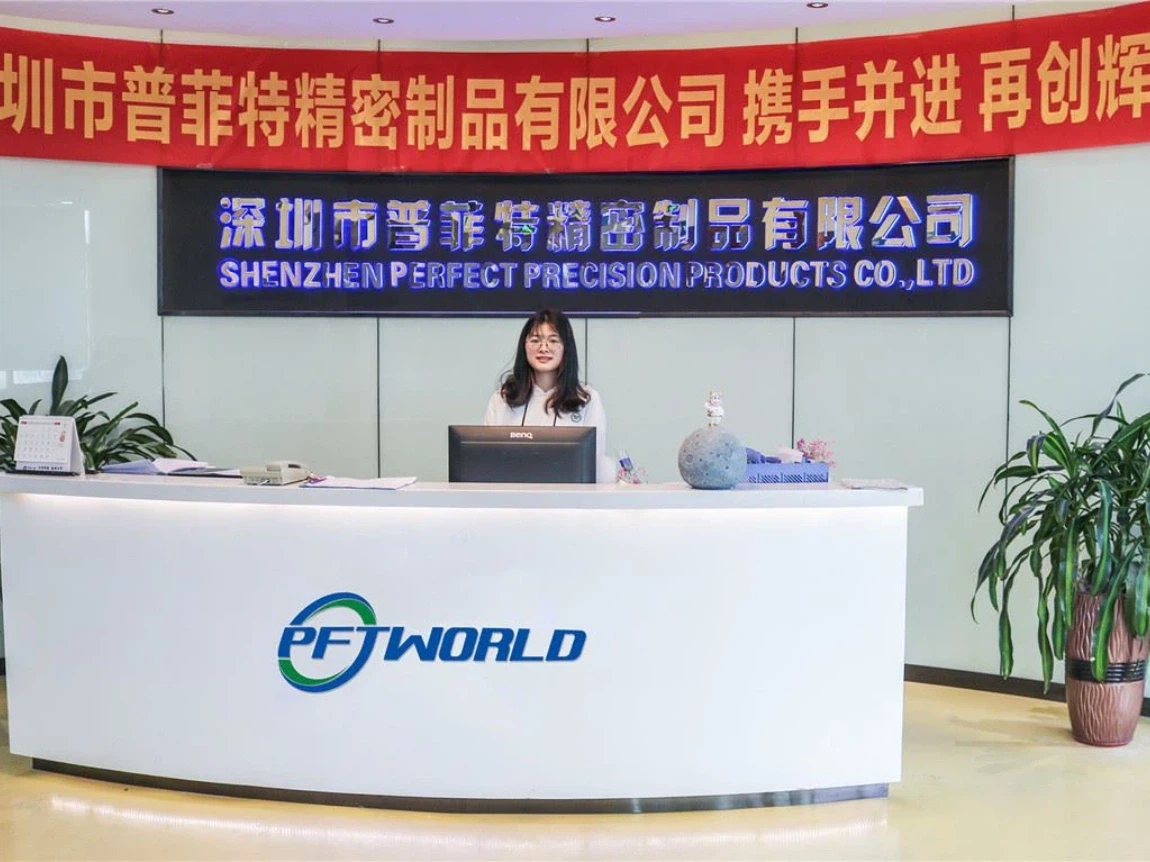
Shenzhen Perfect Precision Products Co., Ltd was established in 2012 with a registered capital of 1 million. It established a foreign trade team in 2014, passed the IS09001 quality system certification. It was awarded the title of Guangdong Contract and Trustworthy Enterprise in 2018, and passed the certification of high-tech enterprise and intellectual property management system in 2019. In 2020, the office area has been expanded to 5000 square meters, the total number of employees has reached 70, and the digital chemical plant has been realized in 2021.
Why Choose Us
Our Factory
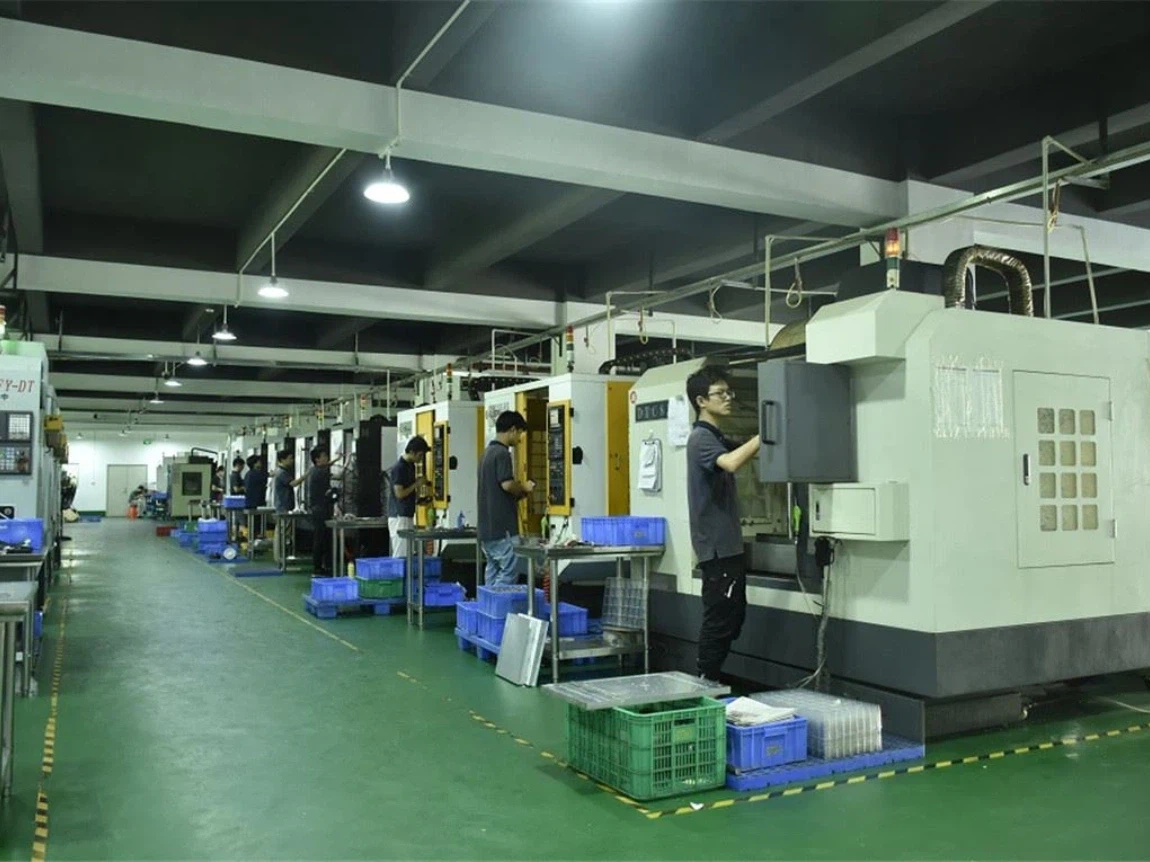
Shenzhen Perfect Precision Products Co., Ltd is a precision engineering manufacturer based in South China Shenzhen, specializing in the supply of high quality machined components in a variety of materials, utilizing the latest CNC turning, CNC milling, Multi-Spindle machining, sheet metal fabrication, injection molding, laser cutting, and stamping technology.
Our Certificate
ISO9001:2015,AS9100D,ISO13485:2016,ISO45001:2018,IATF16949:2016,ISO14001:2015,ROSH,CE etc.
Production Equipment
There are about 50-60 machines, most of which are imported from the United States and Japan, such as HAAS VF-2SS (5 axis) in the United States and TSUGAMI B0206 (6 axis) in Japan.
Our Service
Pre sales service: Customer sends drawings or expresses samples, informs salesman the required materials, surface treatment and order quantity. We can provide quote within 3 hours, 7 days for prototypes, support for OEM/ODM.
-

Custom Injection Prototyping for OEM Manufacturing
In today’s fast-paced manufacturing landscape, staying ahead of the competition requires innovation, precision, and speed. At PFT, we specialize in Rapid Prototyping Manufacturing and a wide range of Add to Inquiry -
Plastic Injection Molding Services
Unlock superior manufacturing with our Plastic Injection Molding Services. We specialize in producing high-quality plastic components tailored to your specifications. From prototypes to large-scale Add to Inquiry -
Plastic Injection Molds
. Precision Machining Parts. . Machinery Axis: 3,4,5,6. Tolerance:+/- 0.01mm . Special Areas : +/-0.005mm . Surface Roughness: Ra 0.1~3.2 . Supply Ability:500000Piece/Month. 1-Piece Minimum Order . Add to Inquiry -
Instrument Junction Box
Precision Machining Parts. . Machinery Axis: 3,4,5,6. Tolerance:+/- 0.01mm . Special Areas : +/-0.005mm . Surface Roughness: Ra 0.1~3.2 . Supply Ability:500000Piece/Month. 1-Piece Minimum Order . Add to Inquiry -
OEM Rapid Prototype Injection Molding Medical Plastic Parts
Precision Machining Parts. . Machinery Axis: 3,4,5,6. Tolerance:+/- 0.01mm . Special Areas : +/-0.005mm . Surface Roughness: Ra 0.1~3.2 . Supply Ability:500000Piece/Month. 1-Piece Minimum Order . Add to Inquiry -
Custom Plastic Turned Parts Injection Molding Service
High quality precision CNC plastic injection molding parts Quick Details: 1. Keywords: injection molding parts 2. Process: CNC processing 3. Color: black/customized 4. Origin: Guangdong, China 5. Add to Inquiry -
Plastic Pellets For Abs Molding Plastic Injection Moulding
Unlocking Innovation with High-Quality Plastic Pellets for ABS Molding and Injection Moulding. Precision Machining Parts. . Machinery Axis: 3,4,5,6. Tolerance:+/- 0.01mm . Special Areas : +/-0.005mm Add to Inquiry -
Precision plastic injection molding Panel Processing
Shenzhen Perfect Precision Products Co., Ltd. mainly produces customized CNC precision parts and automation equipment. Products are widely used in the medical equipment industry, auto parts, 3D Add to Inquiry -
Machining Plastic Parts, Precision Plastic Shell Processing
Shenzhen Perfect Precision Products Co., Ltd. mainly produces customized CNC precision parts and automation equipment. Products are widely used in the medical equipment industry, auto parts, 3D Add to Inquiry -
Custom Plastic Housing Parts
We are a more than 15 years manufacturer who is specializing in this field, and we have received many favorable comments from our customers because of our excellent quality, professional services as Add to Inquiry -
Plastic Parts Injection Molding Services
Precision Machining Parts. . Machinery Axis: 3,4,5,6. Tolerance:+/- 0.01mm . Special Areas : +/-0.005mm . Surface Roughness: Ra 0.1~3.2 . Supply Ability:500000Piece/Month. 1-Piece Minimum Order . Add to Inquiry -
Precision Injection Molding Service
Injection Molding Plastic Parts Quick details: Engineers: 4 Brand name: 7 Swords Applicable Industries: Industrial equipment Colors Available: . . Precision Machining Parts. . Machinery Axis: Add to Inquiry



What is Injection Molding
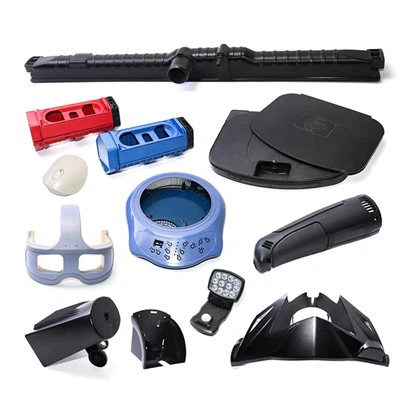
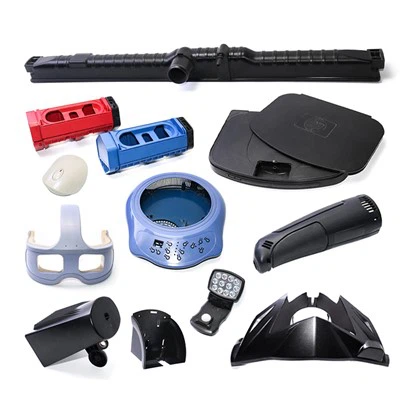
Injection molding is a forming process using molds. Materials such as synthetic resins (plastics) are heated and melted, and then sent to the mold where they are cooled to form the designed shape. Due to the resemblance to the process of injecting fluids using a syringe, this process is called injection molding.
With injection molding, diversely shaped parts, including those with complex shapes, can be continuously and quickly manufactured in large volumes. Therefore, injection molding is used to manufacture commodities and products in a wide range of industries.
Injection molding machines come in different types, such as motorized machines driven by servo motors, hydraulic machines driven by hydraulic motors, and hybrid machines driven by a combination of a servo motor and a hydraulic motor.

Benefits of Injection Molding
01/
Efficient high production
Once you have developed the molds, the process is extremely fast with cycle times as short as 10 seconds. It is excellent for medium and high-volume production runs for anything from 10,000 parts to well over 100,000 depending on what molds you use.
02/
Repeatability
You can manufacturer identical products over and over again. This is ideal when you need to have parts with high tolerances and reliability across high volumes.
03/
Large material choice
There is a huge range of plastic materials that you can select from depending on what properties you need from your final part. And you are not limited to plastic, Protolabs also offers liquid silicone rubber molding.
04/
Low waste
The injection molding process produces very little waste when compared to many other manufacturing processes. Even if there is any unused or waste plastic, you can recycle it for future use.
05/
High detail
The process involves injecting molten plastic into the mold under very high pressure. This presses the plastic hard up against the molds allowing complex and intricate shapes plus a lot of detail.
06/
Little or no post processing
Generally, you will need very little post production as the parts usually have good aesthetics post production. We can produce the tooling with a special finish which will show immediately on the injection-molded part. You can even have your logo or text engraved on it.
Type of Injection Molding


Gas-Assisted Injection Molding
Gas-assisted injection molding revolutionizes the production of plastic parts by introducing a pressurized gas into the molten plastic within the mold cavity. This innovative technique not only enhances the structural integrity of the product but also allows for the creation of complex geometries that would be difficult or impossible to achieve with conventional injection molding methods.
Cube Moulding
Cube molding stands out for its unique mold design, which rotates along two axes, allowing for simultaneous molding of several parts or layers. This process significantly enhances production efficiency and is especially suited for complex, multi-component products.
Thin-Wall Injection Molding
Thin-wall injection molding caters to the demand for lightweight, high-strength parts with minimal material usage. This process specializes in producing extremely thin yet robust components, a critical requirement in today’s fast-paced electronic and consumer goods markets.
Liquid Silicone Injection Molding (LSR)
Liquid Silicone Injection Molding (LSR) stands out for its exceptional ability to produce parts that require flexibility, durability, and a high level of detail. This process utilizes liquid silicone rubber, a material known for its thermal stability, chemical resistance, and biocompatibility, making it an ideal choice for a wide range of applications.
Metal Injection Molding (MIM)
Metal Injection Molding (MIM) combines the design flexibility of plastic injection molding with the strength and integrity of metal. By mixing metal powders with a polymer binder, MIM allows for the production of metal parts with complex shapes and fine details, which are difficult to achieve through traditional metalworking processes.
Reaction Injection Molding (RIM)
Reaction Injection Molding (RIM) is a process where two reactive chemical components are mixed and injected into a mold where they then react and cure, forming a lightweight, strong, and intricate part. This process is particularly noted for its ability to produce large parts with variable wall thickness and excellent impact resistance.
The Most Popular Injection Molding Materials
Nylon (PA)
A collection of nylon quick-release buckles. This is meant to show the durability and versatility of nylon resin.Nylon is often used to produce strong mechanical parts like bushings, gears, and bearings. It’s very common in automotive applications because not only is it tough but it helps to reduce weight and lower production costs compared to a metal analogue. You should be aware that, although it’s a strong plastic, it tends to absorb water. It’s not the ideal choice for marine applications.
Polycarbonate (PC)
A decorative collection of polycarbonate CD discs.Polycarbonate is another clear injection molding resin that has excellent optical properties and is extremely durable. When molding with this amorphous thermoplastic material, precise dimensional control can be maintained as it has predictable and uniform mold shrinkage. We use polycarbonate when we need something substantially stronger than acrylic.
Polyoxymethylene (POM)
Image of kitchen knife with POM handlePolyoxymethylene (POM) is a type of acetal resin used to make mechanical and automotive parts that would usually be made with metal. This engineering thermoplastic material is very strong, tough, and rigid. It’s often used to produce gears, fasteners, knife handles, and ball bearings. Although POM has high resistance towards solvents such as alcohols, gasoline, detergents and motor oils, it shouldn’t be exposed to hydrochloric acid and nitric acid.
Acrylonitrile Butadiene Styrene (ABS)
An image of ABS computer keyboard keys. This shows one of the most common applications for this type of plastic. ABS resin is an opaque thermoplastic polymer and an engineering grade plastic. There are many advantages to using ABS. It's tough, has good dimensional stability, it resists impacts and scratching, and is hard to break. Also, the low melting temperature makes it easy to mold.
The Top 6 Industrial Applications for Injection Molding
Food and Beverage
When it comes to injection molding, the food and beverage industry relies heavily on plastic materials to create product packaging and containers. Since this industry must adhere to strict sanitization and safety regulations, plastic injection molding is an obvious fit to ensure various specifications are achieved, including BPA-free, FDA-certified, non-toxic and GMA-safe regulations. From components as small as bottle caps to the trays used in TV dinners, injection molding provides a one-stop-shop for all the food and beverage industry’s packaging and container needs.
Automotive Parts
Many of the parts found on modern automobiles require a broad range of intricately designed features to function correctly. For this reason, many of the leaders of the automotive industry have turned to plastic injection molding to develop, plan, and manufacture the parts they need. Typical injected molded elements include bumpers, dashboards, and smaller pieces, such as cup holders and mirror housings.
Agriculture
Historically, it was typical for the agriculture industry to invest in metal-made components simply because they provided a durable solution. Now, reinforced plastic options have gained favor due to new plastic material characteristics like UV-resistance, impact-resistance, humidity resistance, and much more. The ability to create durable agriculture products that stand up to the elements on a farm makes plastic injection molding an obvious fit for the agriculture industry, from feeding troughs to specialized harvesting components.
Electronics
Although many people see electronic components as a predominately metal piece of machinery that uses electricity to function, enhancing system longevity with corrosion-resistant plastic housings improves overall performance. As you may have guessed, manufacturing housings through the plastic injection molding processes is preferred. The computer mouse you may be using right now, to the television in your living room, likely have some components created using plastic injection molding.
The Injection Molding Process Steps
Clamping
The first step of the injection molding process is clamping. Injection molds are typically made in two, clamshell-style pieces. In the clamping phase, the two metal plates of the mold are pushed up against each other in a machine press..
Injection
When the two plates of the mold are clamped together, injection can begin. The plastic, which is typically in the form of granules or pellets, is first melted down into a complete liquid. Then, that liquid is injected into the mold. Manufacturers should take care to ensure the temperature remains constant throughout this step of the process
Dwelling
In the dwelling phase, the melted plastic fills the entirety of the mold. Pressure is applied directly to the mold to ensure the liquid fills every cavity and the product comes out identical to the mold.
Cooling
The cooling stage is the most straightforward; the mold should be left alone so that the hot plastic inside can cool and solidify into a usable product that can be safely removed from the mold.
Mold Opening
Once the part has cooled, a clamping motor will slowly open the two parts of the mold to make for a safe and simple removal of the final product.
Ejection
With the mold open, an ejector bar will slowly push the solidified product out of the open mold cavity. The fabricator should then use cutters to eliminate any waste material and perfect the final product for customer use. Waste material can often be recycled and reinjected for the next part, decreasing your material costs.
How to Maintain Injection Molding
Regular Inspection
Regular inspections are key to identifying potential issues early on and preventing them from escalating into more significant problems. Schedule routine inspections of your injection molding equipment to check for signs of wear and tear, loose connections, leaks, and other issues that may affect performance. Pay close attention to critical components such as screws, barrels, nozzles, and hydraulic systems.
Lubrication
Proper lubrication is essential for ensuring smooth operation and preventing friction-related damage. Refer to the manufacturer’s guidelines to determine the appropriate lubricants and lubrication intervals for different components of your injection molding equipment. Over-lubrication can be as detrimental as under-lubrication, so follow the recommended guidelines carefully to avoid excess buildup and contamination.
Cleanliness
Maintaining cleanliness is crucial for preventing contamination and ensuring the quality of molded products. Regularly clean the surfaces, molds, and components of your injection molding equipment using suitable cleaning agents and techniques. Pay particular attention to areas prone to buildup, such as cooling channels, ejector pins, and vents. Implementing a comprehensive cleaning regimen will help prolong the lifespan of your equipment and minimize the risk of defects.
Temperature Control
Maintaining precise temperature control is essential for achieving consistent molding results and preventing thermal degradation of materials. Calibrate and monitor the temperature settings of heating elements, molds, and cooling systems regularly to ensure they are operating within the specified range. Periodically inspect and clean heating elements, thermocouples, and temperature sensors to maintain accuracy and reliability.
Replace Worn Components
Over time, components of injection molding equipment may wear out or become damaged due to prolonged use. Keep an inventory of spare parts and regularly replace worn or damaged components to prevent unexpected breakdowns and downtime. Components such as seals, O-rings, nozzles, and heating elements should be replaced as part of routine maintenance to ensure optimal performance and reliability.
Our Factory
Shenzhen Perfect Precision Products Co., Ltd is a precision engineering manufacturer based in South China Shenzhen, specializing in the supply of high quality machined components in a variety of materials, utilizing the latest CNC turning, CNC milling, Multi-Spindle machining, sheet metal fabrication, injection molding, laser cutting, and stamping technology.

FAQ
We're professional injection molding manufacturers and suppliers in China, specialized in providing high quality customized products. We warmly welcome you to buy injection molding for sale here from our factory. For quotation, contact us now.
plastic electronic accessory molding, plastic molding electric switches for home, Injection Molding Auto Parts