

Introduction:In the realm of CNC machining, precision is paramount, and the choice of positioning datum plays a pivotal role in determining the quality of the final machined parts. The positioning datum serves as the reference point from which all measurements and movements are calculated, making it a critical factor in achieving accuracy and consistency in the manufacturing process.
Understanding CNC Machining Positioning Datum: The positioning datum in CNC machining is the designated point on a workpiece that serves as the reference for the machine's movements. This point establishes the coordinate system, guiding the cutting tools to create the desired geometry with precision. The careful selection of the positioning datum is essential for achieving dimensional accuracy and maintaining tight tolerances throughout the machining process.

Dimensional Accuracy:The positioning datum directly influences the dimensional accuracy of machined parts. Any errors or inconsistencies in the datum will be translated into the final product, potentially leading to deviations from the intended specifications. Machinists must meticulously choose and set the datum to ensure that the finished parts meet design requirements.
Tight Tolerances:CNC machining often involves producing parts with tight tolerances. The positioning datum serves as the baseline for these tolerances, and its accuracy directly affects how closely the final product adheres to the specified measurements. A well-chosen datum minimizes the likelihood of variations and ensures the desired level of precision.
Repeatability and Consistency:Consistency is a hallmark of quality in manufacturing. The positioning datum not only determines the accuracy of a single part but also influences the repeatability of the entire production process. A stable and reliable datum allows for consistent results across multiple machining operations, leading to a higher overall quality of the produced components.
Reducing Scrap and Rework:Poorly chosen positioning datums can result in scrapped parts or the need for extensive rework. This not only impacts production efficiency but also increases costs. By understanding the influence of the datum on part quality, manufacturers can minimize waste and optimize their processes.
Best Practices for Choosing CNC Machining Positioning Datum:
Consider Functional Requirements:Assess the functional requirements of the part and select a datum that aligns with critical features or interfaces. This ensures that the machining process emphasizes key dimensions for optimal functionality.
Minimize Measurement Chain:Choose a datum that minimizes the measurement chain, reducing the potential for cumulative errors. A shorter measurement chain enhances accuracy and simplifies the calibration process.
Utilize Stable Features:Opt for stable and easily accessible features on the workpiece as datums. This helps in maintaining consistent reference points and facilitates efficient setups.
Conclusion:In the world of CNC machining, the importance of the positioning datum cannot be overstated. A well-thought-out choice of datum is integral to achieving the precision, consistency, and quality demanded by modern manufacturing. Manufacturers must invest the time and expertise necessary to understand the intricacies of positioning datums and implement best practices to ensure that their CNC machining processes consistently yield parts of the highest quality.
About Our More Services.
Processing Material

Aluminum


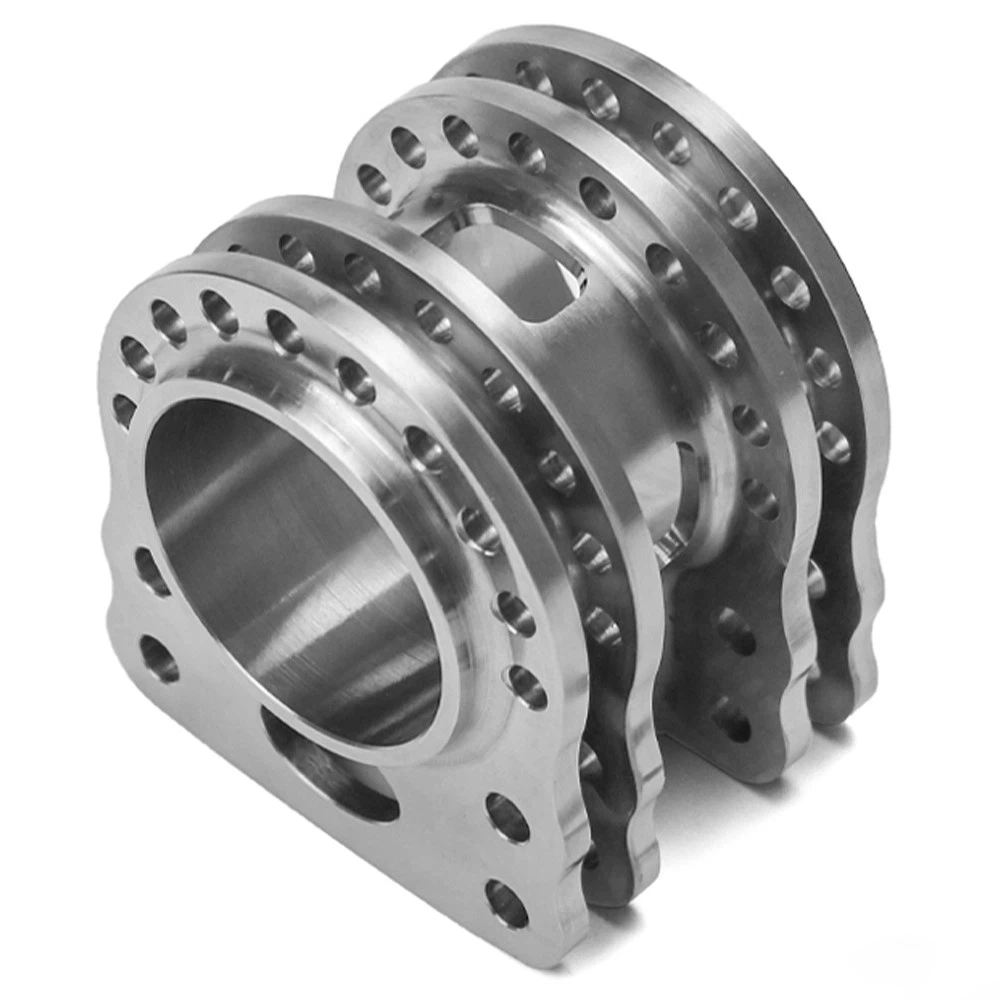
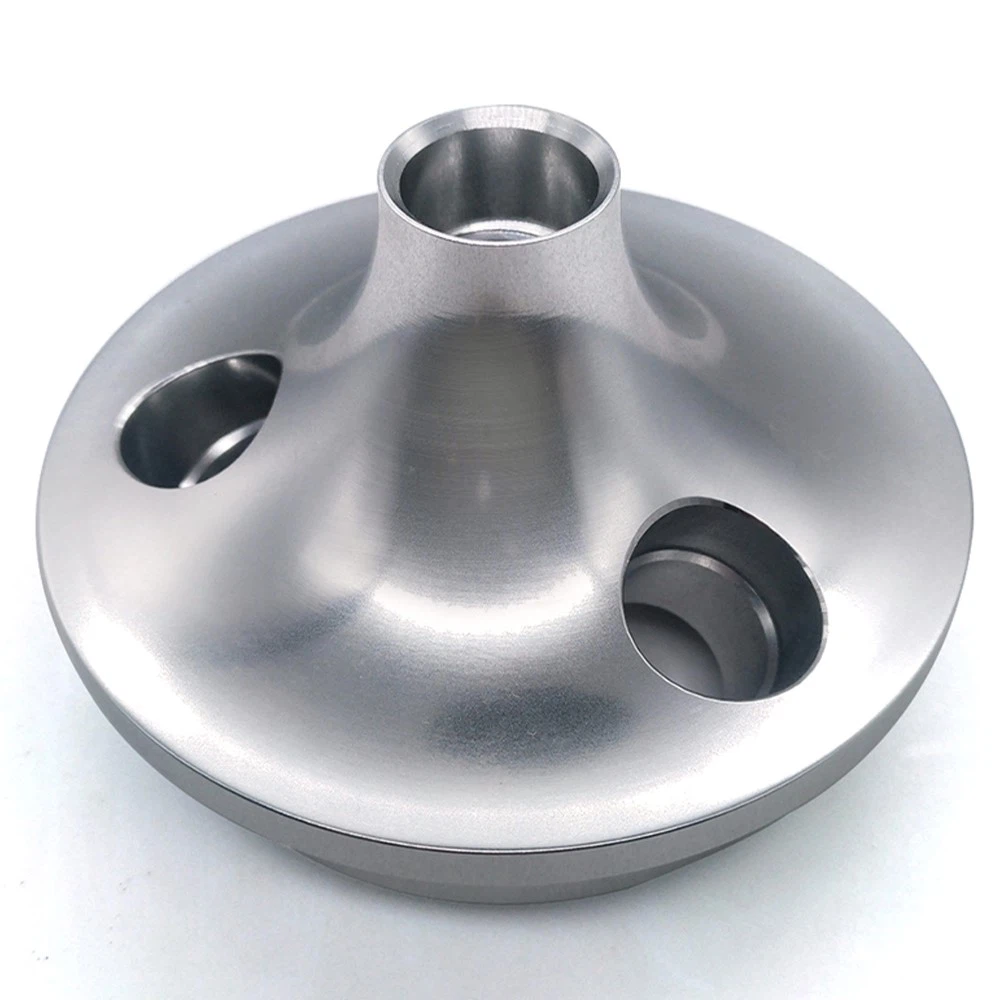
Stainless Steel/Steel/Titanium Alloy



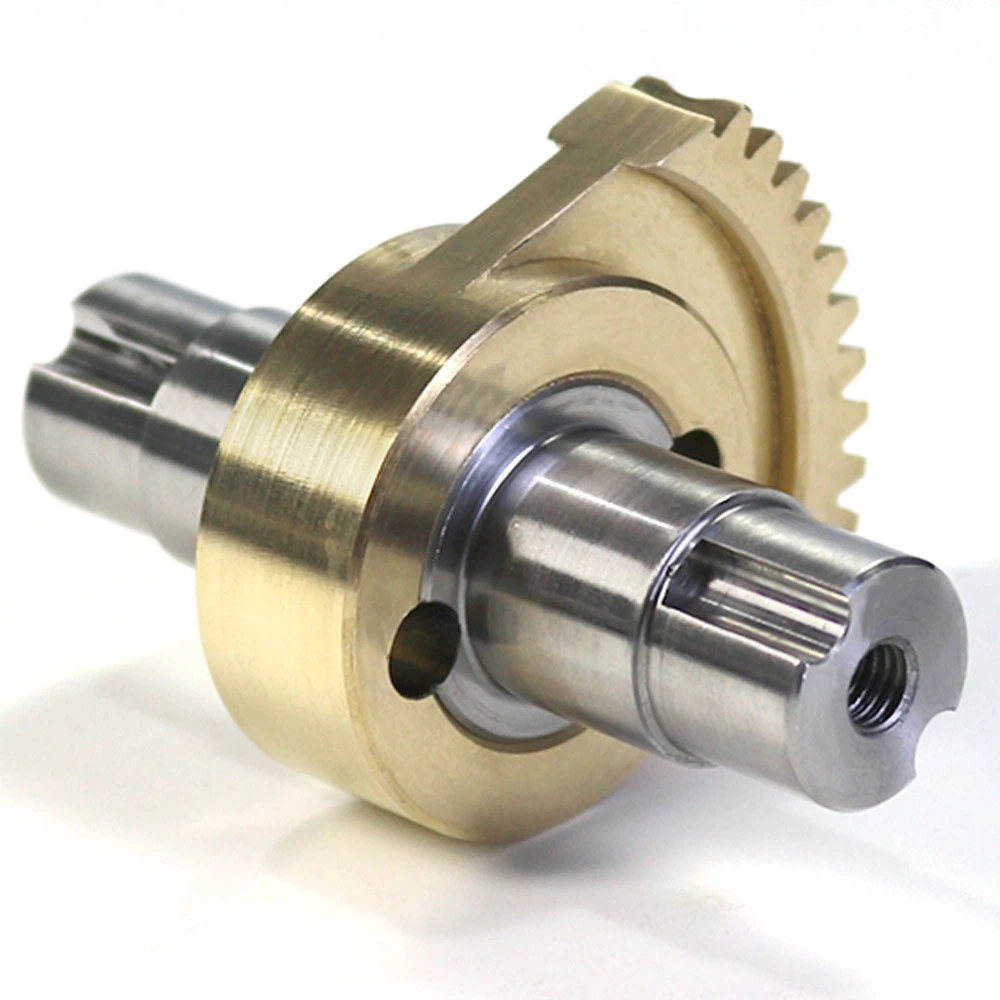
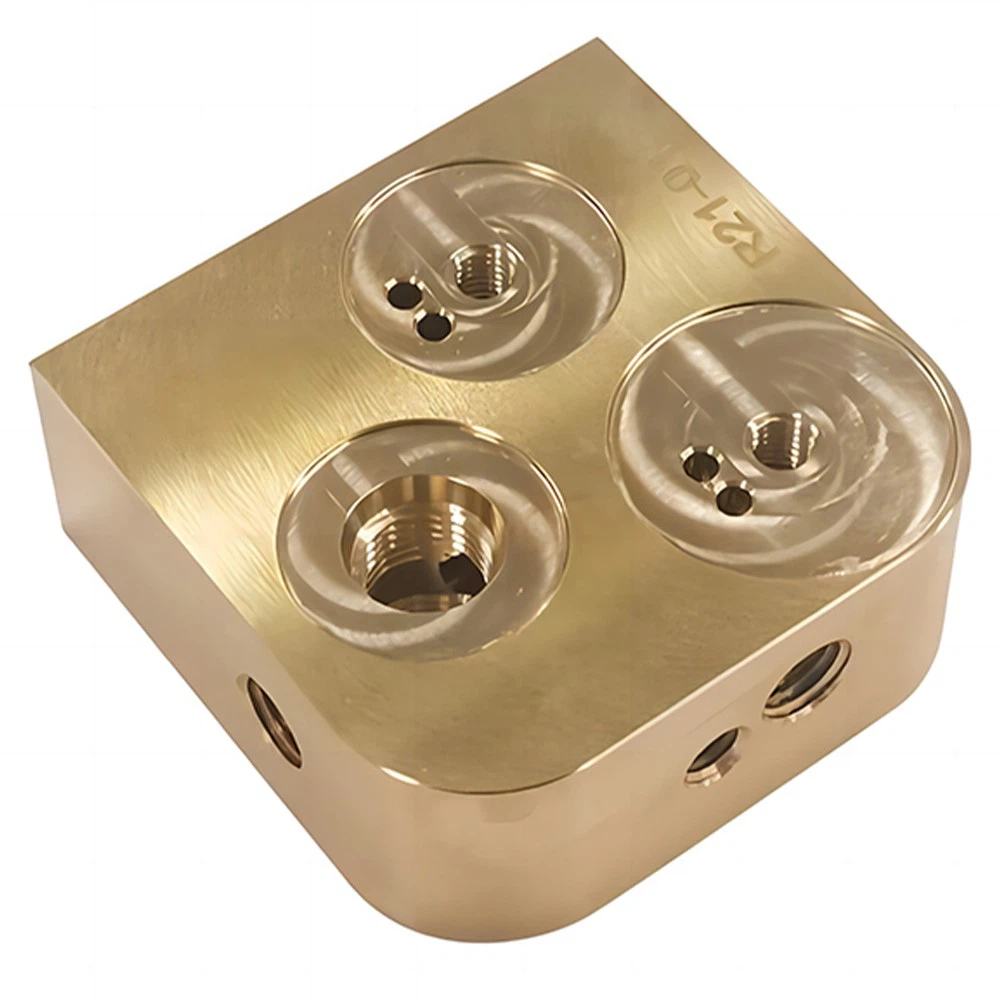
Brass/Copper



Plastic



our Services


Certified


