

CNC machining tools are the workhorses of precision manufacturing, and the efficiency of these tools hinges on the materials chosen for their cutting parts. The selection process involves a nuanced understanding of various factors, from the nature of the workpiece to the demands of the machining process. In this article, we explore the critical aspects of material selection for cutting parts in CNC machining tools and how it profoundly influences performance, durability, and the overall success of the machining process.
**1. Understanding the Machining Environment:
The first step in material selection is a thorough understanding of the machining environment. Different materials excel in various conditions, and factors such as temperature, speed, and the type of material being machined play a pivotal role. For instance, high-speed cutting in aerospace applications demands materials that can withstand extreme temperatures and maintain sharpness under heavy loads.
**2. Tool Wear Resistance:
Tool wear is an inevitable aspect of machining, but the right material selection can significantly extend the tool's lifespan. Hard materials like tungsten carbide and ceramics are known for their exceptional wear resistance, making them suitable for prolonged and demanding machining processes.

**3. Hardness and Toughness Balance:
Strike a delicate balance between hardness and toughness. While hardness is essential for maintaining a sharp cutting edge, toughness is crucial to prevent fractures and chipping. Carbide inserts, for example, offer an excellent balance, providing hardness for sharpness and toughness for durability.
**4. Material being Machined:
Consider the nature of the material being machined. Different materials have unique properties, and the cutting tool material should be selected to complement or counteract these characteristics. For instance, machining aluminum requires different tool materials than machining hardened steel.
**5. Heat Resistance:
Machining processes generate heat, and the cutting tool must be able to withstand elevated temperatures without losing its hardness. High-speed steel (HSS) and ceramics are known for their heat-resistant properties, making them suitable for applications involving high temperatures.
**6. Chemical Stability:
In some machining applications, especially those involving exotic materials or chemicals, the chemical stability of the cutting tool material becomes crucial. Materials like ceramics, which are inert to many chemicals, can be ideal in such scenarios.
**7. Coatings for Enhanced Performance:
Consider the application of coatings to enhance the performance of cutting tools. Titanium nitride (TiN), titanium carbonitride (TiCN), and diamond-like carbon (DLC) coatings can improve wear resistance, reduce friction, and enhance overall tool performance.
**8. Cost Considerations:
While performance is paramount, cost considerations cannot be ignored. Some high-performance materials may come at a higher cost, and it's essential to weigh the benefits against the budget constraints.
**9. Advancements in Cutting Tool Materials:
Stay abreast of advancements in cutting tool materials. Ongoing research and development continually introduce new materials and coatings that offer improved performance, longevity, and cost-effectiveness.
About Our More Services.
Processing Material

Aluminum


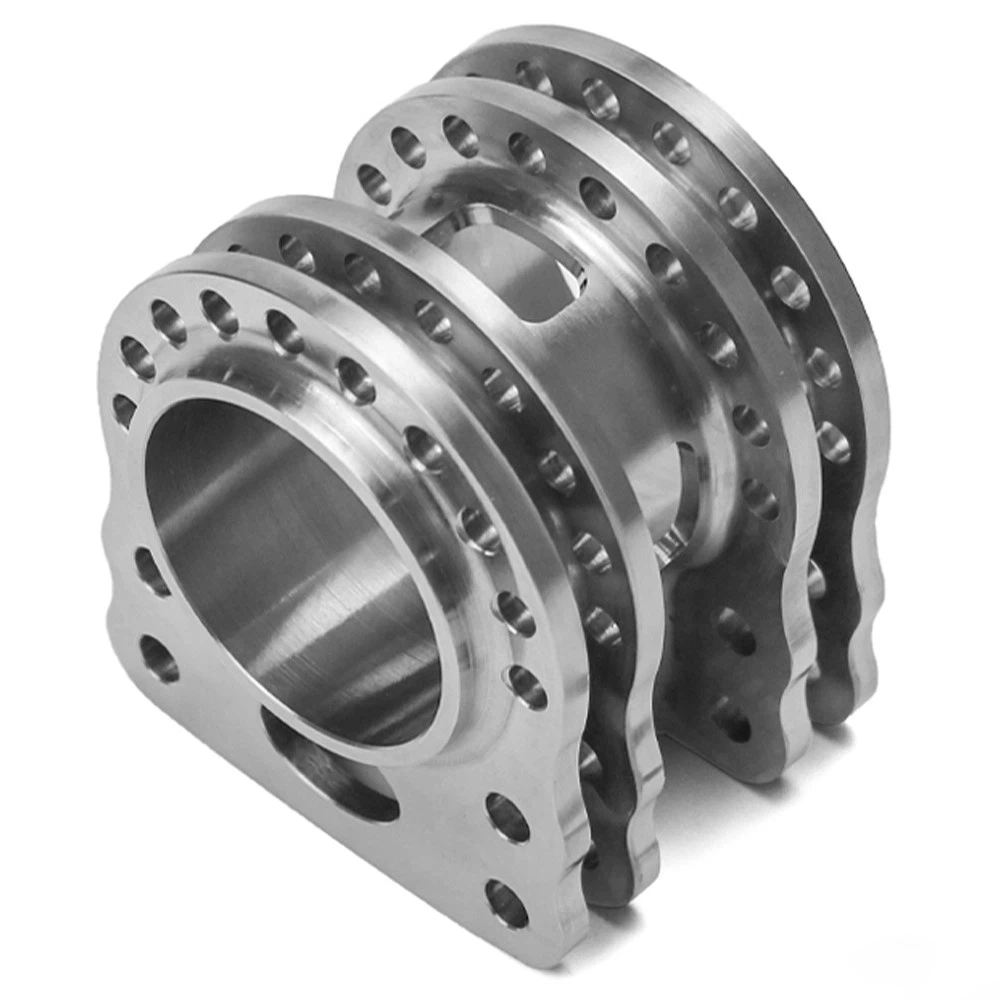
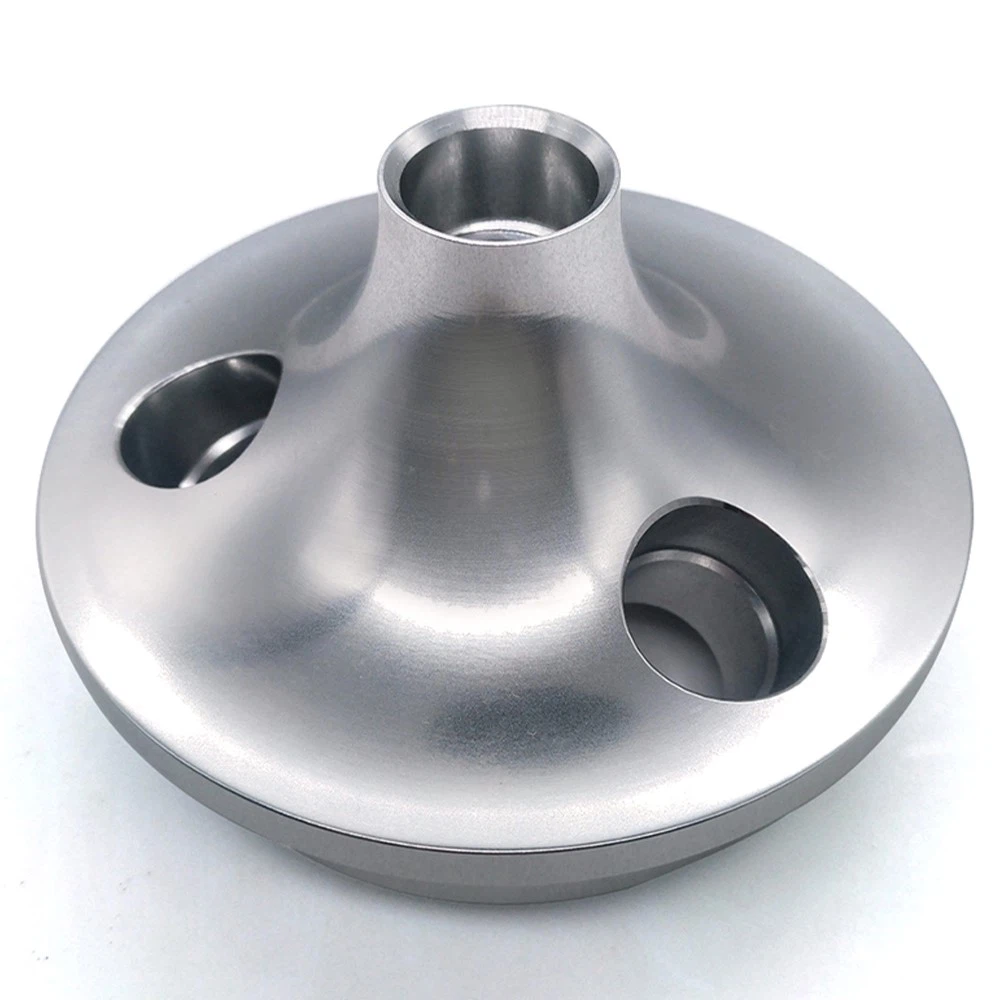
Stainless Steel/Steel/Titanium Alloy



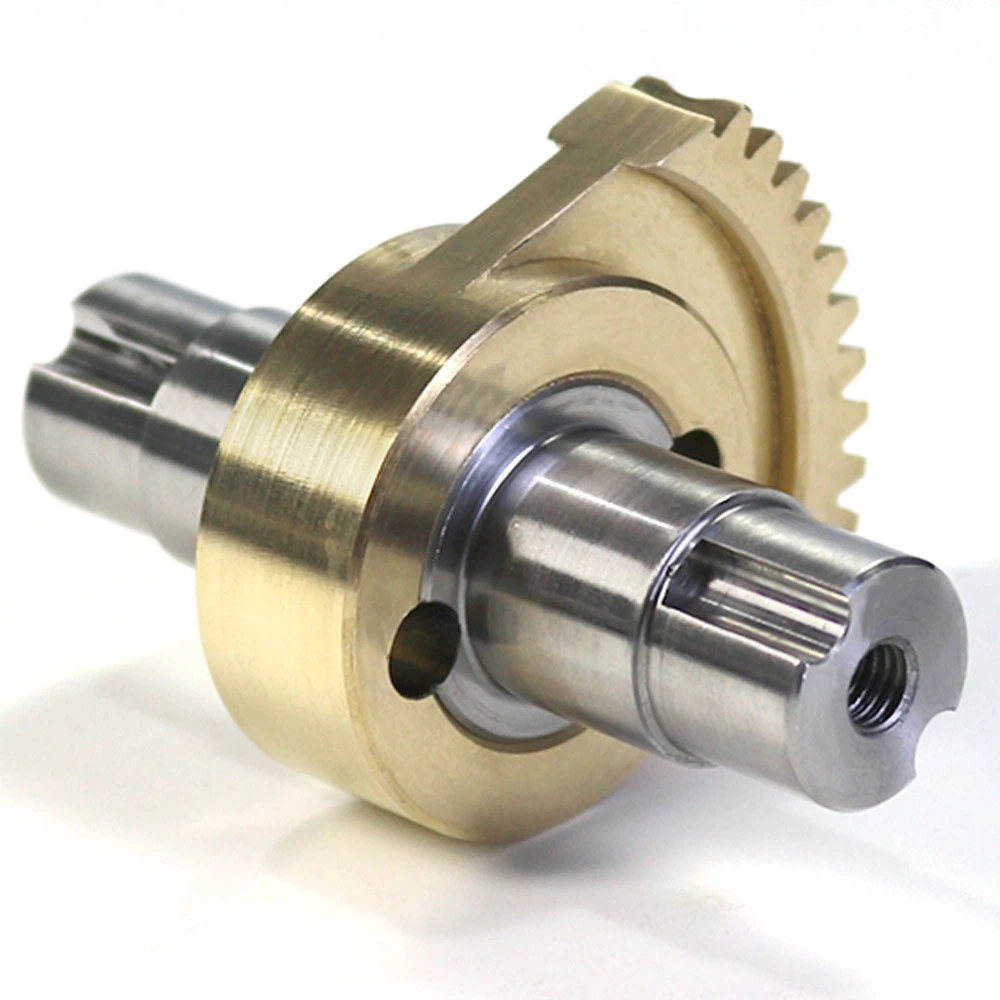
Brass/Copper




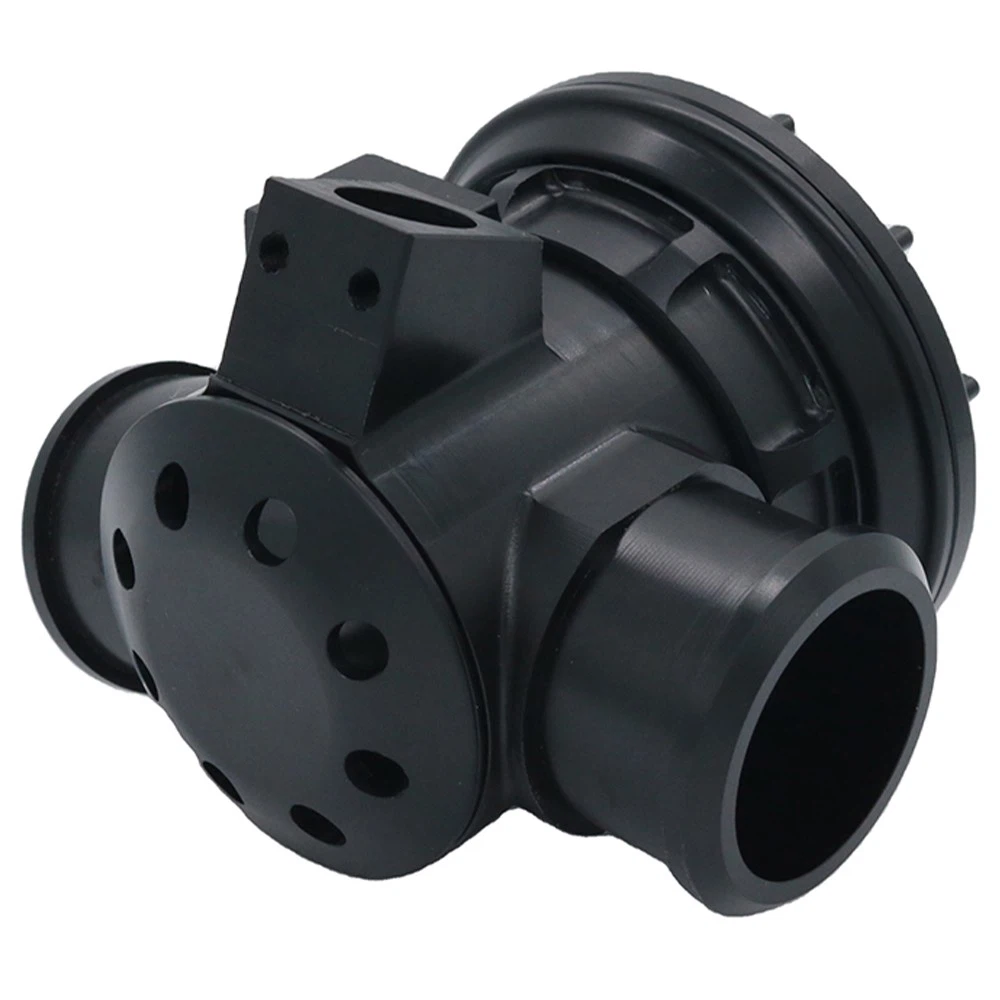
Plastic



our Services


Certified


