

Precision parts processing is an intricate craft that demands the utmost attention to detail. In the realm of manufacturing, where precision is non-negotiable, encountering challenges is inevitable. However, adept troubleshooting can turn these challenges into opportunities for improvement and refinement. In this article, we explore the common issues faced in precision parts processing and provide insights on effective troubleshooting strategies.
**1. Material Selection and Compatibility:
Issue: Inconsistent results and tool wear.
Troubleshooting:
- Review Material Specifications: Ensure that the chosen material aligns with the specifications and requirements of the project.
- Tooling Inspection: Regularly inspect and maintain tools to prevent premature wear and tear.
- Optimize Speeds and Feeds: Adjust cutting speeds and feeds to match the material being processed.

2. Machine Calibration and Maintenance:
Issue: Inaccuracies in dimensions and tolerances.
Troubleshooting:
- Regular Calibration: Implement a routine calibration schedule for all machines involved in the process.
- Maintenance Protocols: Adhere to manufacturer-recommended maintenance schedules for all machinery.
- Toolpath Verification: Verify the toolpaths to ensure they align with the programmed design.
3. Tool Selection and Optimization:
Issue: Poor surface finish and dimensional inaccuracies.
Troubleshooting:
- Tool Inspection: Regularly inspect tools for damage or wear.
- Toolpath Optimization: Optimize toolpaths for efficiency and precision.
- Tool Cooling: Ensure proper cooling mechanisms to prevent overheating and tool degradation.
4. Temperature and Environmental Factors:
Issue: Thermal expansion affecting tolerances.
Troubleshooting:
- Climate Control: Maintain a stable temperature in the processing environment.
- Material Acclimatization: Allow materials to acclimate to the processing environment before machining.
- Cooling Systems: Implement effective cooling systems to control temperature variations.
5. Software and Programming Errors:
Issue: Discrepancies between the digital model and the machined part.
Troubleshooting:
- Code Verification: Double-check CNC code for errors.
- Simulation: Prior to machining, simulate the process to identify and rectify any programming issues.
- Software Updates: Ensure that all software is up to date to avoid compatibility issues.
6. Quality Control and Inspection:
Issue: Inadequate quality checks leading to defective parts.
Troubleshooting:
- Implement Stringent Inspection Protocols: Establish a comprehensive quality control process.
- Utilize Advanced Inspection Tools: Invest in high-precision measuring tools for accurate inspections.
- Feedback Loop: Establish a feedback loop between production and quality control for continuous improvement.
7. Operator Training and Skill Enhancement:
Issue: Inconsistencies in results due to operator error.
Troubleshooting:
- Training Programs: Invest in ongoing training programs for operators to enhance skills.
- Knowledge Sharing: Encourage a culture of knowledge sharing among the workforce.
- Skill Assessment: Regularly assess operator skills and provide targeted training as needed.
About Our More Services.
Processing Material

Aluminum


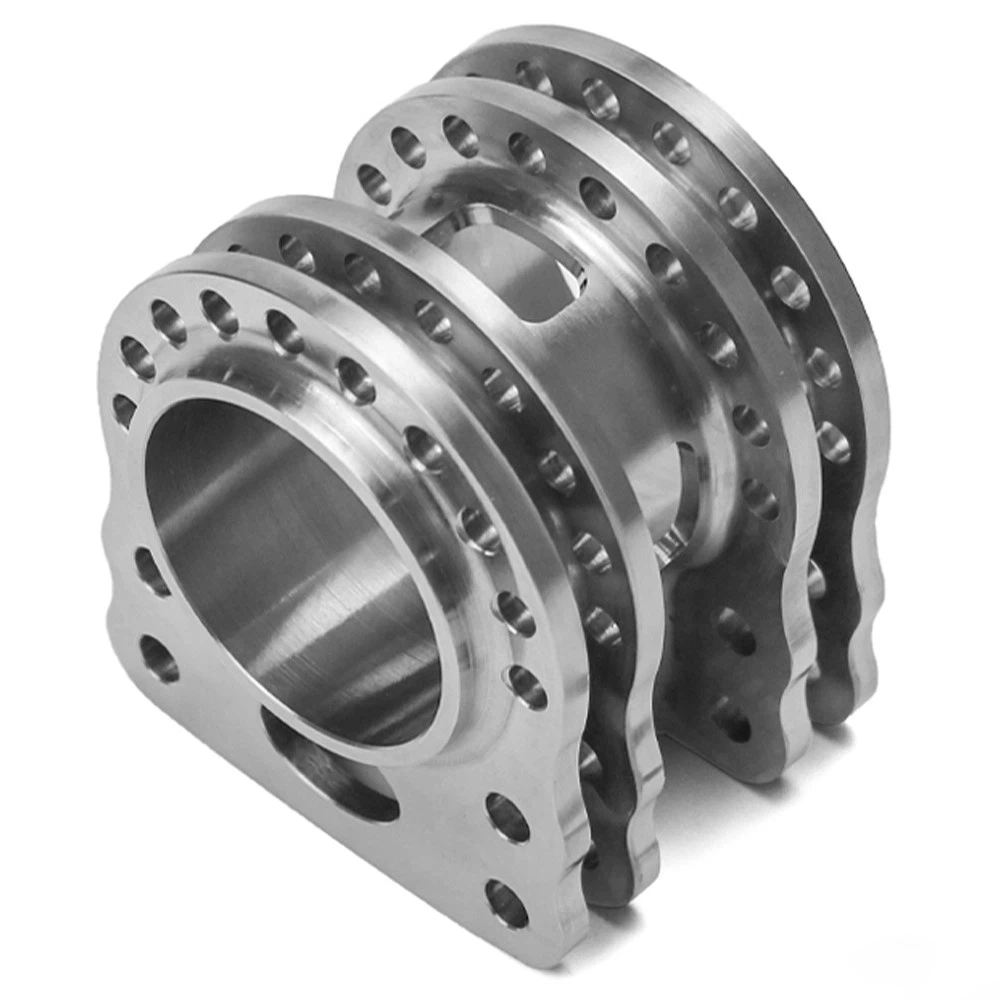
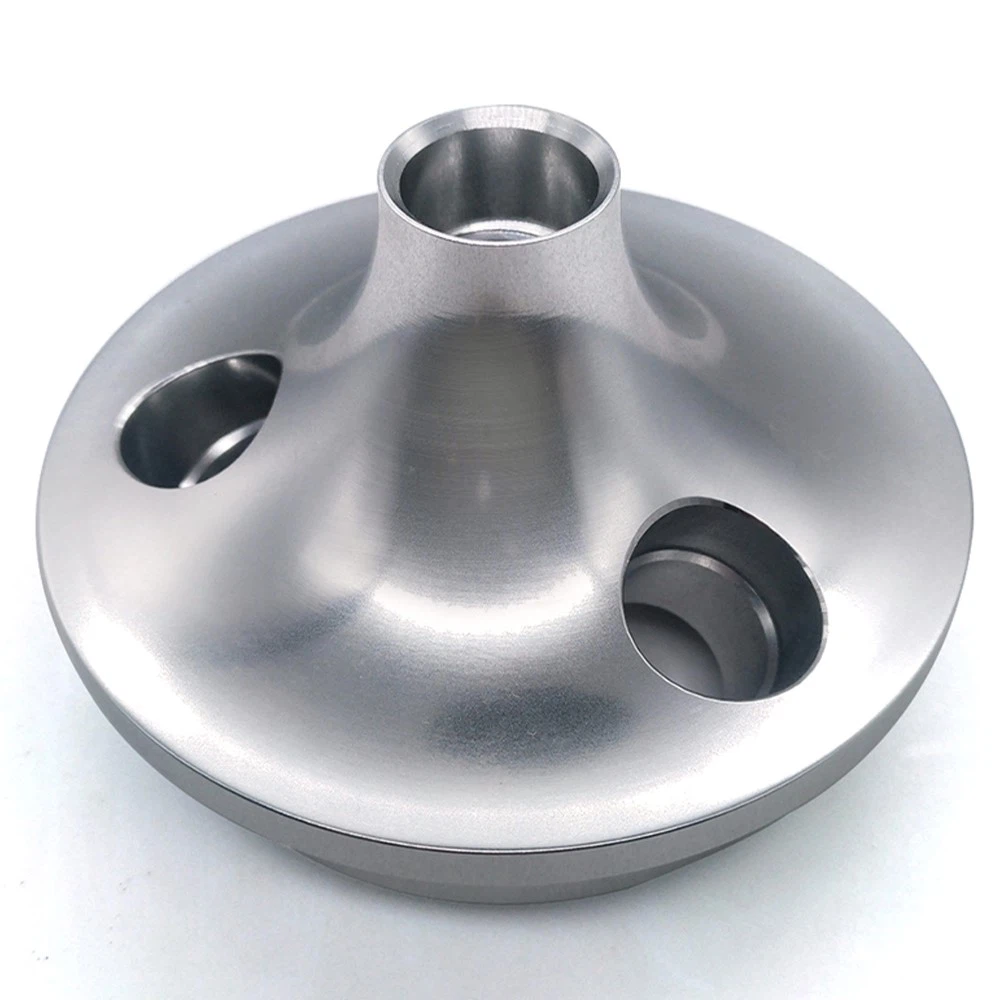
Stainless Steel/Steel/Titanium Alloy



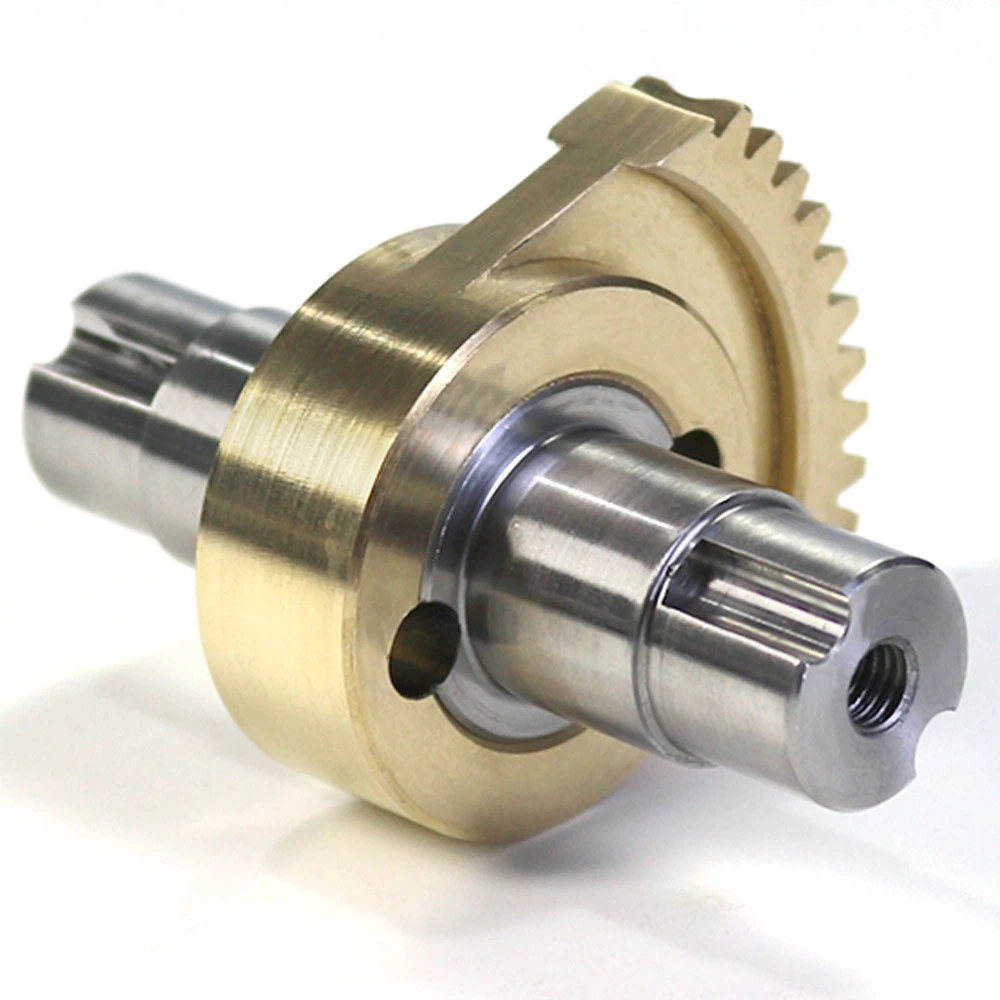
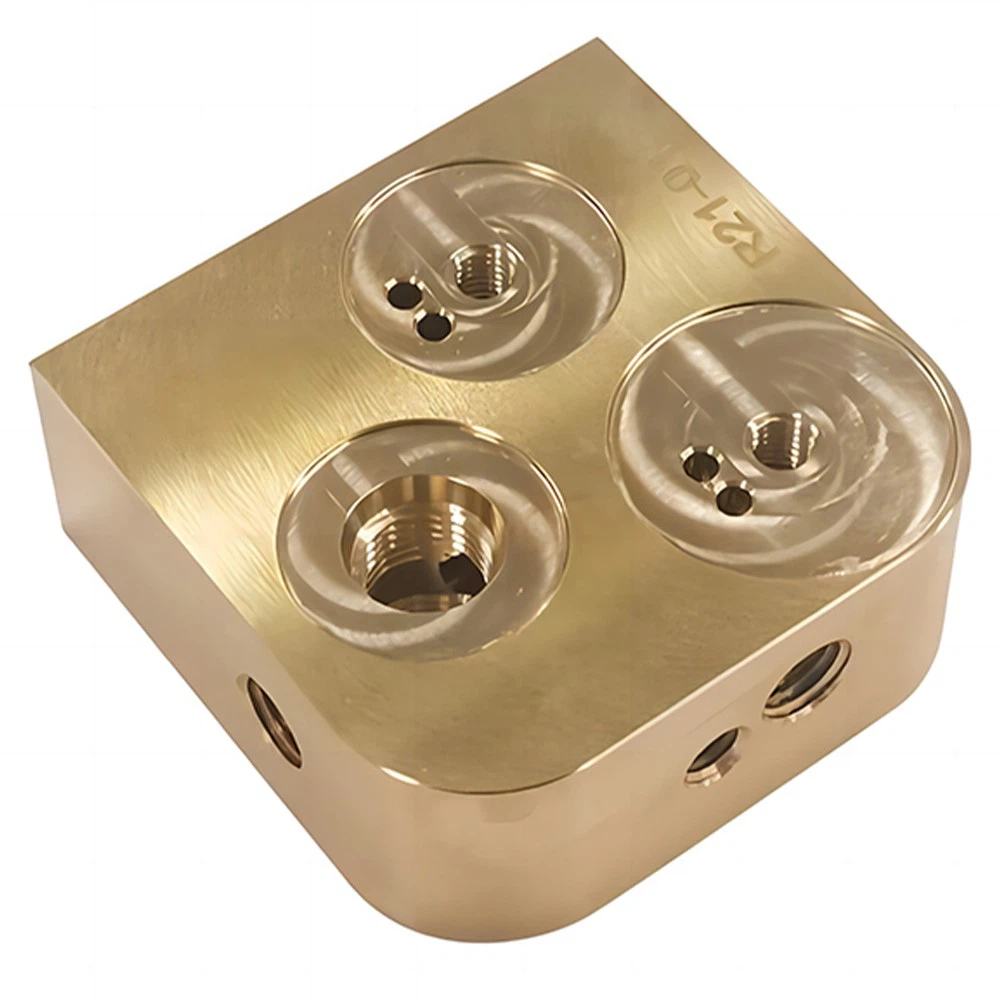
Brass/Copper



Plastic



our Services


Certified


