

CNC (Computer Numerical Control) machining has revolutionized manufacturing processes, offering precision, efficiency, and versatility. The development of CNC machining parts traces back to the mid-20th century when the need for automated, accurate machining arose.
Initially, manual machining processes dominated manufacturing. However, they were labor-intensive, time-consuming, and prone to errors. The introduction of CNC machining in the late 1940s changed this paradigm. John T. Parsons, together with MIT, developed the first CNC machine to manufacture complex aircraft components, primarily for military purposes. This innovation laid the groundwork for modern CNC technology.

The 1960s witnessed significant advancements in CNC machining. The implementation of computer-aided design (CAD) and computer-aided manufacturing (CAM) systems allowed for precise programming and control of machining operations. With the integration of microprocessors in the 1970s, CNC machines became more powerful and versatile.
Throughout the following decades, CNC machining continued to evolve, driven by technological innovations and industrial demands. The introduction of multi-axis machining enabled the production of more intricate parts with higher precision. Simultaneously, improvements in cutting tools and materials expanded the range of applications for CNC machining.
The 21st century saw further enhancements in CNC technology, including the adoption of automation, robotics, and additive manufacturing techniques like 3D printing. These developments have led to increased efficiency, reduced lead times, and enhanced quality control in manufacturing processes.
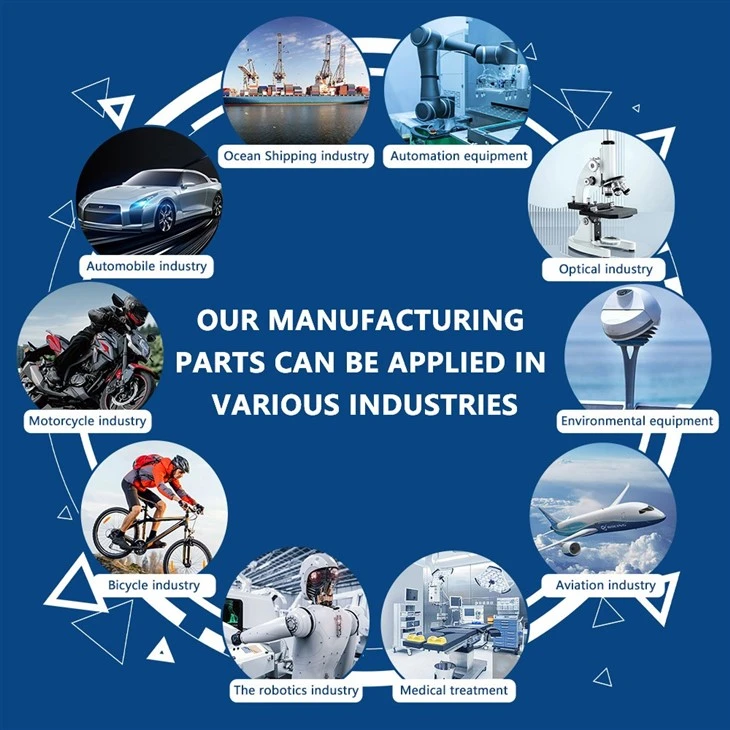
Today, CNC machining plays a vital role in various industries, from aerospace and automotive to electronics and healthcare. Its ability to produce complex parts with tight tolerances has made it indispensable in modern manufacturing. As technology continues to advance, the future of CNC machining holds even greater possibilities, promising further optimization and innovation in production processes.