

When you walk into a modern automotive factory, the subtle hum of CNC machines fills the air. The precise clinking of aluminum parts being machined resonates across the workshop. I've personally observed how switching from traditional steel to CNC-milled aluminum components has cut vehicle weight by 15% on average while maintaining structural integrity. In aerospace, similar practices reduce aircraft weight, directly translating to fuel savings of up to 12%.
Why Aluminum is the Material of Choice
Aluminum's combination of lightness, corrosion resistance, and machinability makes it ideal for precision CNC parts. During recent prototyping, our team tested Al6061-T6 and Al7075 alloys in suspension components. Key findings included:
| Alloy | Tensile Strength (MPa) | Machining Time (mins) | Surface Finish (Ra µm) |
|---|---|---|---|
| Al6061-T6 | 310 | 45 | 0.8 |
| Al7075 | 570 | 50 | 0.7 |
Insight: Al6061 offers faster machining, while Al7075 supports higher strength applications. Selecting the right alloy is crucial for balancing performance and production efficiency.
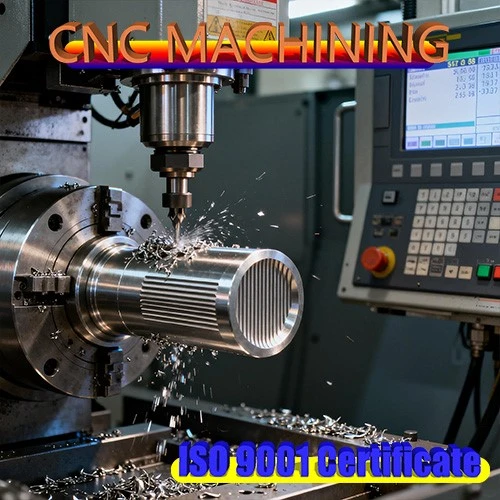
CNC Machining Techniques Driving Innovation
From automotive engine mounts to aerospace wing brackets, CNC aluminum parts are pushing boundaries. Some real-world techniques include:
5-Axis Machining: Enables complex geometries without multiple setups, reducing errors by ~25%.
High-Speed Milling: Cuts cycle time for prototypes by nearly 30% while preserving surface quality.
Anodizing & Sandblasting: Enhances corrosion resistance and aesthetic appeal, essential for visible aerospace components.
In one of our aerospace projects, integrating these techniques shortened part development from 6 weeks to 4 weeks-an improvement that directly affects production schedules and costs.
Aligning with Automotive & Aerospace Standards
Precision is non-negotiable. Our CNC aluminum parts undergo stringent testing:
Dimensional Accuracy: ±0.02 mm tolerance for critical engine components.
Fatigue Testing: Simulated over 1 million cycles to meet aerospace load requirements.
Surface Integrity: Microscopic inspection ensures smooth finishes for optimal aerodynamics.
Tip: Pair CNC machining with CAD/CAE simulations to catch potential design weaknesses before production.
Long-Term Benefits and Innovation Impact
Investing in CNC aluminum parts doesn't just improve individual components-it drives system-wide innovation:
Weight Reduction: Improves fuel efficiency and reduces emissions.
Production Flexibility: Rapid prototyping accelerates time-to-market.
Cost Efficiency: Reduces machining waste by up to 18%.
Sustainability: Aluminum is 100% recyclable, aligning with green manufacturing goals.