

In recent years, China's CNC (computer numerical control) industry has experienced significant growth and transformation, becoming a global leader in advanced manufacturing technology. The industry plays a key role in China's industrial strategy, driving innovation and development in various industries
Rapid Growth
and
Development
Over the past few decades, China's CNC industry has grown exponentially, driven by heavy investment in R&D, technological advances, and a strong manufacturing base. This growth is driven by both domestic demand and international export markets, and China's CNC machining services are becoming increasingly popular around the world.

Technological
Advances
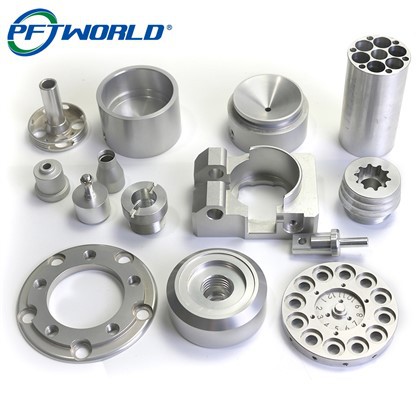
China has made significant progress in CNC technology, especially in areas such as precision machining, multi-axis control, automation, and integration with other smart manufacturing technologies such as artificial intelligence and the Internet of Things (IoT). Chinese companies are increasingly focusing on producing high-precision CNC parts that meet the needs of various industries such as automotive, aerospace, electronics, and healthcare.
Market Size
and
Global Influence
China's CNC industry has become a major player in the global market, accounting for a significant share of global CNC parts exports. Chinese manufacturers are known for providing competitive prices, reliable quality. This makes China a strong competitor to traditional CNC powerhouses such as Japan, Germany, and the United States.

Future Outlook
Looking ahead, China's CNC industry will continue to expand and innovate. The emphasis on smart manufacturing, digitalization, and the integration of artificial intelligence and big data into CNC systems will drive efficiency improvements and product quality improvements. In addition, initiatives to strengthen vocational training and skills development will ensure a steady supply of skilled labor to support the industry's growth.

In short, China's CNC industry stands at the forefront of global manufacturing. As the industry develops, it will not only consolidate its position in traditional manufacturing, but also lead the advancement of next-generation technologies.