

In the world of precision manufacturing, the importance of the machine bed for milling machines cannot be overstated. This fundamental component plays a critical role in ensuring the accuracy, stability, and longevity of the entire milling process. As industries demand ever-higher levels of precision, efficiency, and durability, the machine bed has emerged as a key factor in delivering superior performance for milling operations in sectors like aerospace, automotive, medical devices, and heavy machinery.
So, what exactly makes the machine bed for milling machines so essential to the success of modern manufacturing? Let's delve into this critical piece of technology and explore how it's shaping the future of the industry.
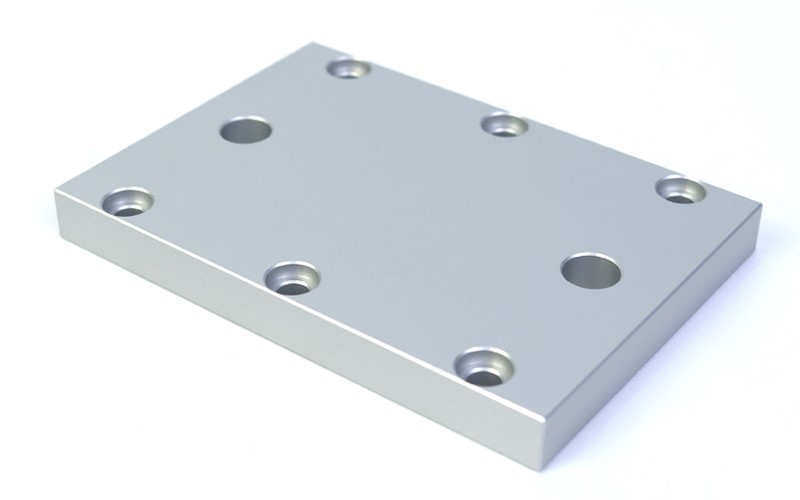
What Is a Machine Bed for Milling Machines?
The machine bed is the base structure of a milling machine, providing a stable foundation on which the entire milling system operates. It is designed to support the moving parts of the milling machine, including the spindle, tool holders, and workpiece, while ensuring the highest levels of accuracy and minimal vibrations.
In essence, the machine bed acts as the backbone of the milling machine, maintaining the alignment and positioning of all components to facilitate the smooth operation of the machine. For precision machining, where even minute errors can lead to significant defects, the quality and rigidity of the machine bed are absolutely crucial.
Key Features of a High-Quality Machine Bed for Milling Machines
1.Exceptional Rigidity and Stability
The primary function of the machine bed is to provide a stable and rigid platform for the milling machine. Stability ensures that vibrations and flexing are minimized during operation, which directly affects the quality of the finished parts. A rigid machine bed guarantees that the cutting tool remains accurately positioned relative to the workpiece, even during high-speed operations. This rigidity is crucial in high-precision industries like aerospace and automotive, where tolerances are often measured in microns.
2. High-Durability Materials
Machine beds are typically made from cast iron, steel, or granite, materials that provide the ideal combination of strength, vibration dampening, and resistance to wear. Cast iron is the most common material due to its high damping capacity, which absorbs vibrations during machining, leading to smoother and more accurate cuts. Steel and granite are also used in high-end machines for their stability and ability to maintain precise geometries over time.
3. Precision Alignment
The machine bed is meticulously engineered to ensure perfect alignment with other key components of the milling machine, including the spindle and tool holder. Any misalignment in the machine bed can result in significant machining errors, leading to a decrease in product quality and increased waste. State-of-the-art CNC machines ensure that the machine bed is precision-constructed, offering a high degree of accuracy from the get-go.
4. Vibration Dampening
During milling operations, vibrations can significantly affect the accuracy and surface finish of the machined part. High-quality machine beds are designed to absorb these vibrations, preventing them from being transferred to the workpiece. This is particularly important when cutting hard materials or performing high-speed operations, where vibrations can cause tool wear or surface defects.
5. Thermal Stability
A critical but often overlooked feature of the machine bed is its ability to handle thermal expansion. When the machine operates, components may heat up, causing minor distortions in the workpiece. A well-designed machine bed is capable of maintaining dimensional stability under temperature changes, ensuring that the milling process remains consistent even in varying environmental conditions.
Applications of the Machine Bed for Milling Machines
1. Aerospace Manufacturing
In the aerospace industry, where safety and precision are paramount, the machine bed of a milling machine is instrumental in producing high-performance components like turbine blades, aircraft frames, and engine parts. The machine bed's rigidity ensures that these critical components are manufactured to exacting tolerances, ensuring safety and reliability in flight.
2. Automotive Industry
Milling machines are used extensively in the automotive sector to produce everything from engine blocks and gears to suspension components. The machine bed's role in providing precise alignment and stability makes it indispensable for automotive manufacturing, especially as the industry moves toward electric vehicles (EVs) that require lightweight and efficient parts.
3. Medical Device Manufacturing
Precision is non-negotiable in the medical device industry. The machine bed supports the accurate milling of components like surgical instruments, prosthetics, and implants, which must adhere to the highest standards of quality and functionality. A stable and precise machine bed is vital for ensuring that these life-saving devices meet stringent regulatory requirements.
4. Heavy Machinery and Industrial Equipment
The production of heavy machinery and industrial components relies on machine beds to maintain stability during high-precision machining processes. The machine bed ensures that parts like hydraulic components, industrial gears, and engine blocks are manufactured with the precision necessary for demanding industrial applications.
The Future of Machine Beds: Trends to Watch
1. Advanced Materials and Composite Materials
As the demand for lightweight yet strong machine beds grows, manufacturers are turning to advanced materials, such as composite materials and polymer concrete, to create machine beds that offer even greater thermal stability and vibration dampening. These materials are also capable of reducing the overall weight of the machine, improving both efficiency and energy consumption.
2. Smart Manufacturing Integration
With the rise of Industry 4.0 and smart manufacturing technologies, machine beds are becoming more integrated into connected systems. Sensors embedded within the bed can monitor the machine's performance, detect early signs of wear, and optimize the machining process for better results. These innovations not only improve efficiency but also extend the service life of the machine bed.
3. Modular Machine Beds
Another emerging trend is the development of modular machine beds, which offer flexibility in design and configuration. Modular systems allow for easy upgrades and customization, ensuring that manufacturers can tailor the bed to suit specific needs, whether it's for small batch production or high-volume manufacturing.
Conclusion: The Backbone of Precision Manufacturing
The machine bed for milling machines is far more than just a base - it is the cornerstone of precision, stability, and durability in modern manufacturing. As industries continue to push the boundaries of what's possible, machine beds will play an increasingly important role in delivering high-performance, high-precision components that power everything from aerospace to automotive, medical, and heavy industrial applications.
By investing in high-quality, rigid, and innovative machine beds, manufacturers can ensure that their milling machines continue to perform at the highest level of efficiency, accuracy, and durability. As technology advances and new materials emerge, the machine bed will remain the unsung hero of the manufacturing world, laying the foundation for the precision-driven future of production.