

Concept of precision machining:
Precision machining is the process of changing the size or performance of workpiece by machine. According to the temperature state of the workpiece, it is divided into cold processing and hot processing. Generally, machining at room temperature without causing chemical changes to the workpiece is called cold working. Generally speaking, the mechanical processing that the process above or below the normal temperature will cause the chemical changes of the workpiece is called hot processing. Cold working can be divided according to different machining methods. It is used for cutting and pressure machining. Hot working is commonly used in heat treatment, calcination, casting and welding.
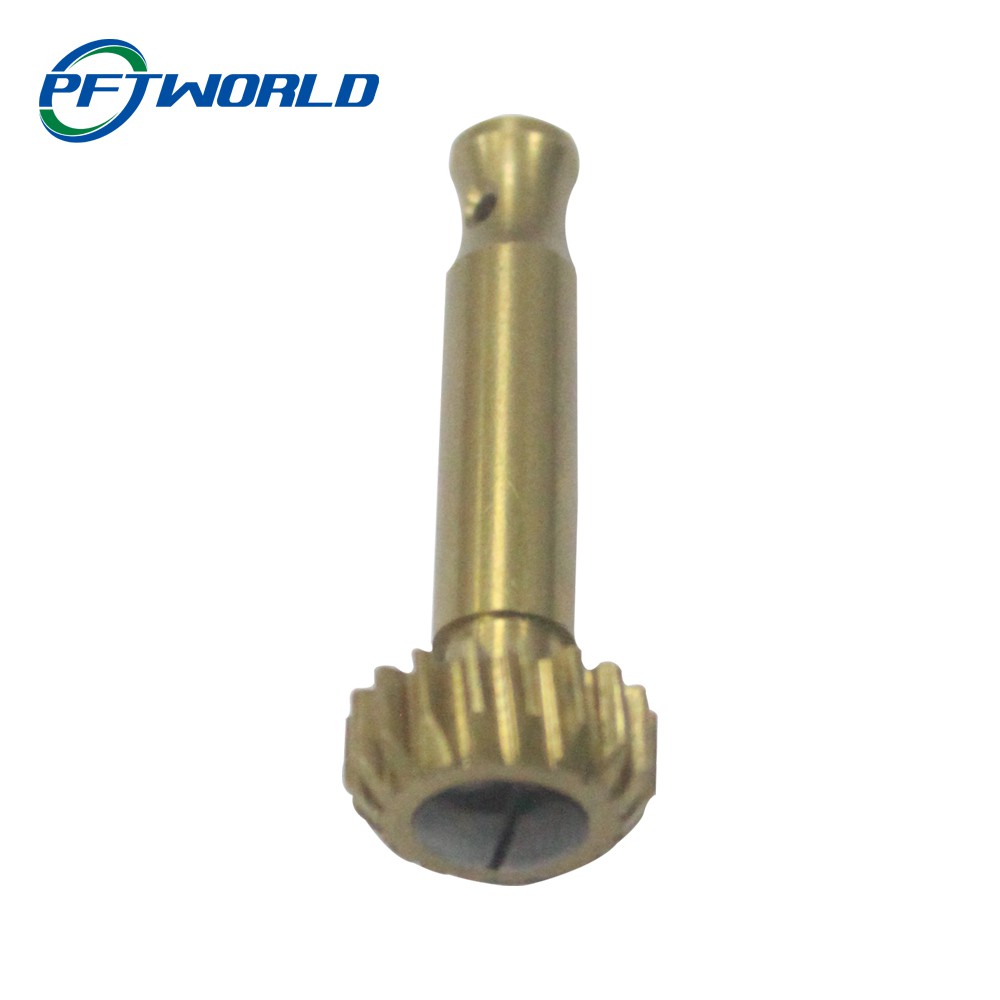
Production process of precision machining:
The production process of precision machining refers to the whole process of manufacturing products from raw materials (or semi-finished products). It is used in machining production, including transportation and preservation of raw materials, production preparation, rough processing, parts processing and heat treatment, product assembly and commissioning,
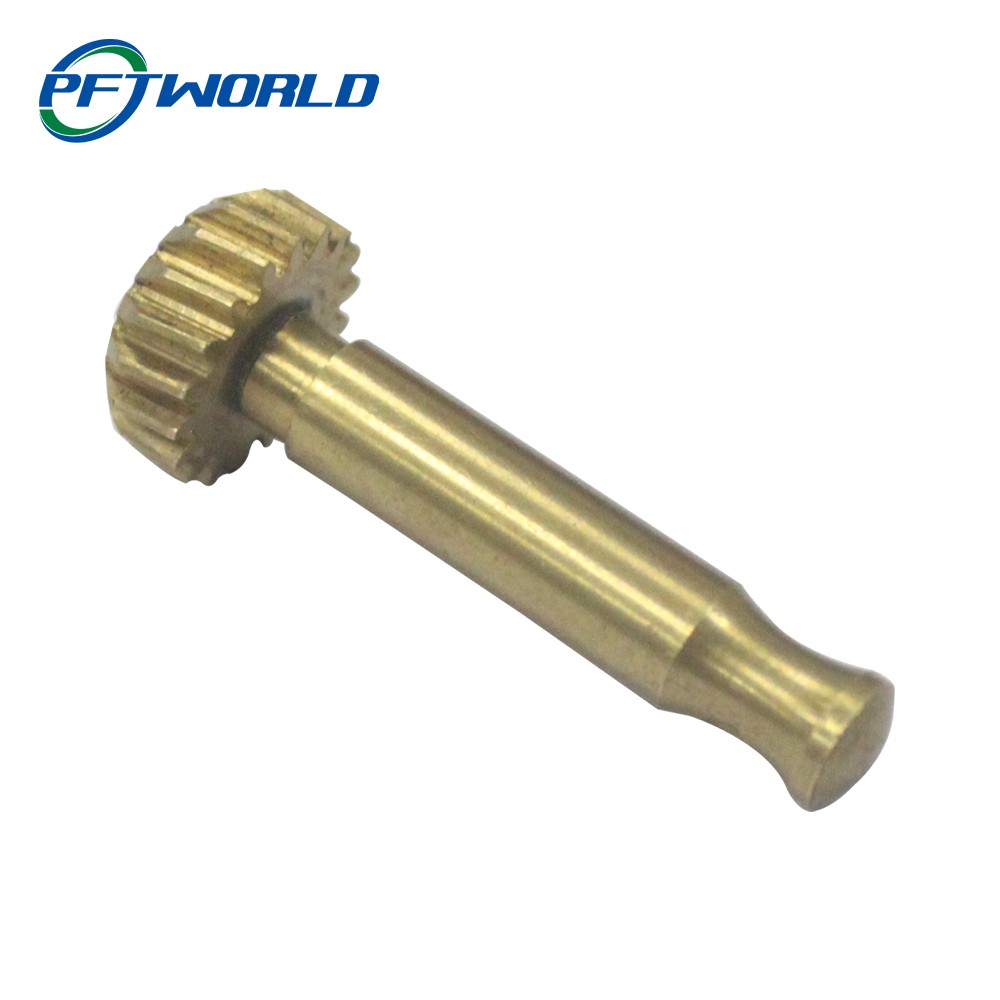
painting and packaging.
1. From the perspective of hardware, the processing of mechanical parts is carried out through a variety of mechanical equipment, such as cars, milling machines, planers, grinders, broaching machines, and machining centers. The inherent processing accuracy of various equipment is different, so in order to achieve a certain accuracy, it is necessary to select the appropriate mechanical processing technology and mechanical processing equipment before adding labor hours.
2. In terms of software, it is an operator's technology, which involves the operating skills of various equipment operators. These skills include a thorough understanding of equipment, machining, parts and materials. These skills can be gradually accumulated in daily work.
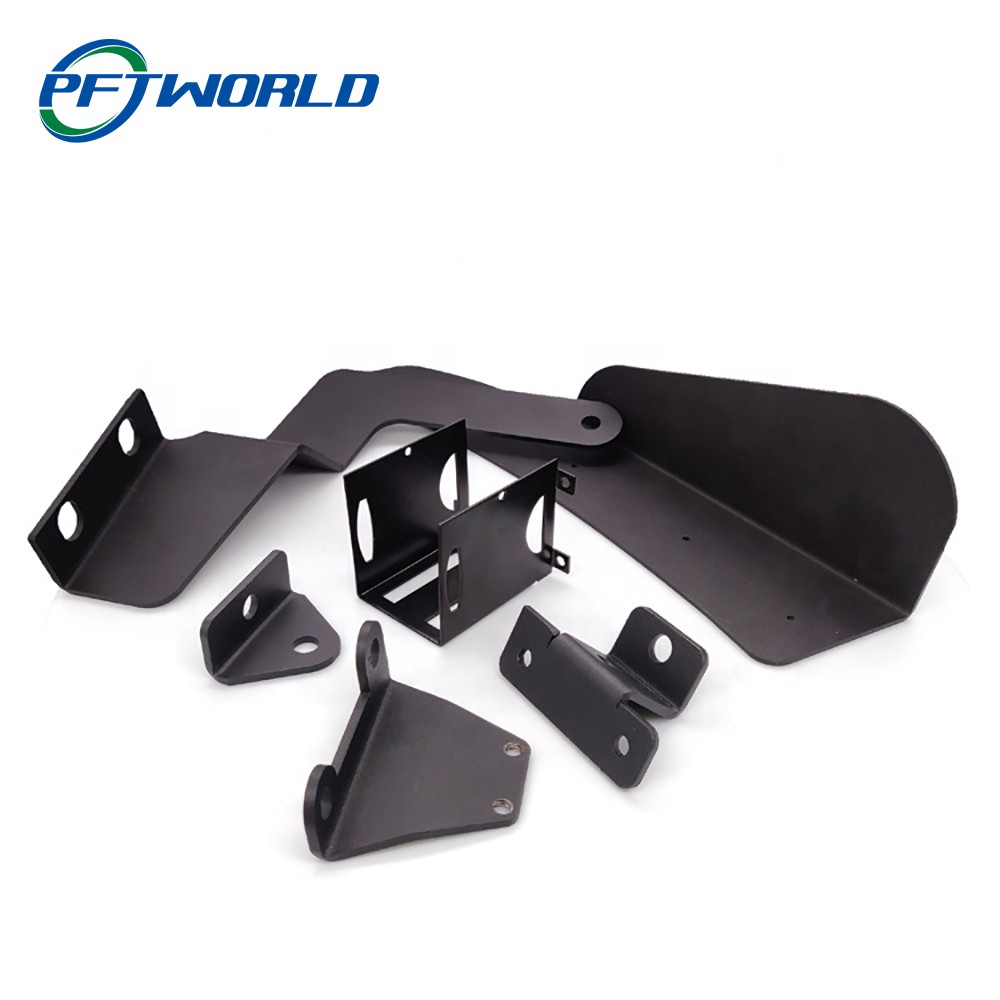
Treatment method of precision machining:
1. In order to ensure the machining accuracy, rough machining and finish machining should be carried out respectively. During rough machining, a large number of workpieces are subject to cutting force, clamping force and heat, which is easy to cause surface hardening, and there is a large internal stress in the workpiece. If the finishing and rough machining are continuous, the precision of precision parts after finishing will be redistributed with the stress and will soon be lost. For some parts with high machining accuracy. Low temperature annealing or aging treatment shall be carried out after rough machining and before finishing to eliminate internal stress.
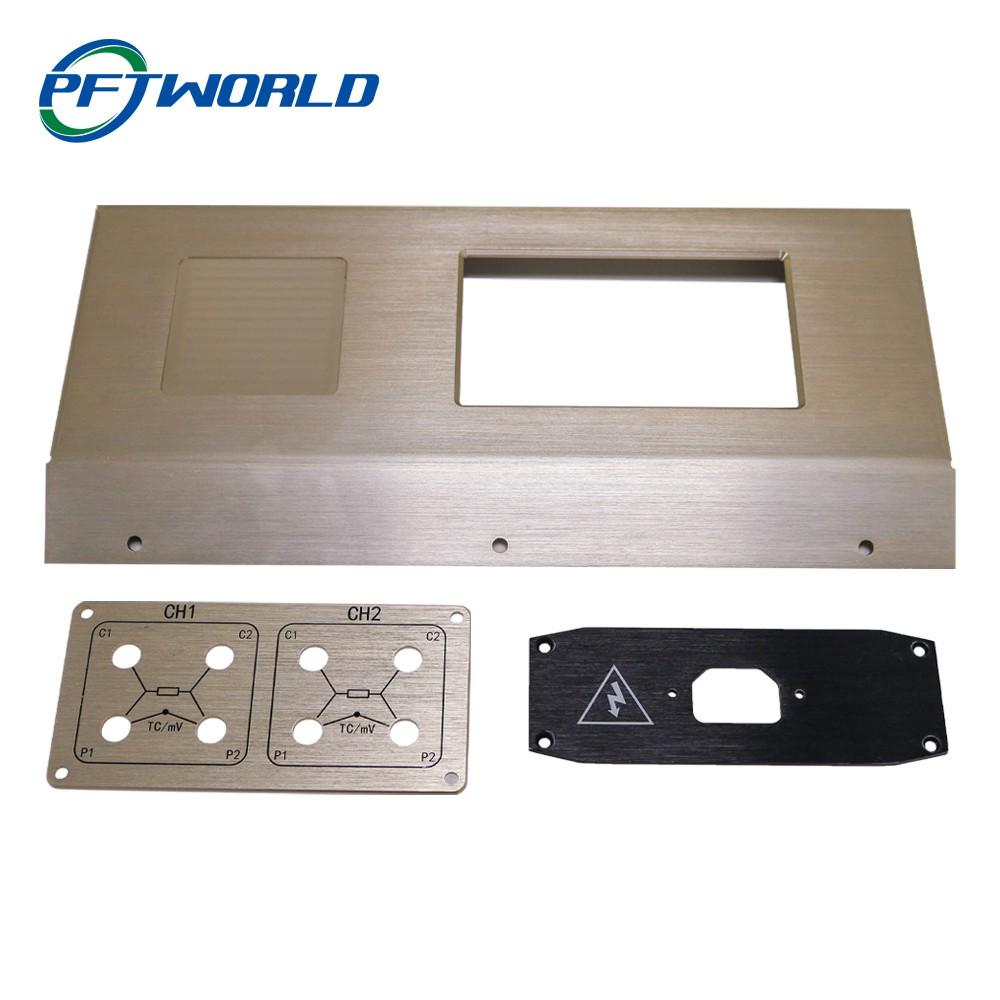
2. Reasonably select machining equipment. The main process of rough machining is to cut off most of the machining allowance, which does not require higher machining accuracy. Therefore, roughing machine tools only need high power and low precision processing. Finishing requires more precise machine tools. Rough and finish machining on different machine tools can not only give full play to the performance of the equipment, but also prolong the service life of precision machine tools.
3. Heat treatment is often required during machining. The arrangement of heat treatment process is as follows: in order to improve the cutting performance of metal, such as annealing, normalizing, quenching and tempering, it is usually carried out before machining. In order to eliminate internal stress, such as aging treatment and quenching and tempering treatment, it is generally carried out after rough machining and before finishing machining. In order to improve the mechanical properties of parts, carburization, quenching, tempering, etc. are generally carried out after machining. If there is deformation after heat treatment, the final processing procedure must be arranged.