

What are the factors that affect the surface polish of the mold? Now let's introduce it in detail.
1. Common tools and specifications for mold polishing
(1) Common tools for mold polishing include: sandpaper, oilstone, felt wheel, grinding paste, alloy file, diamond grinding needle, bamboo chip, fiber oilstone, and circular grinding machine.
(2) Sandpaper: 150#, 180#, 320#, 400#, 600#, 800#, 1000#, 1200#, 1500#;
(3) Oilstone: 120#, 220#, 400#, 600#;
(4) Felt wheel: cylindrical, round vertebral, square beak;
(5) Grinding paste: 1# (white) 3# (yellow) 6# (Orange) 9# (green) 15# (blue) 25# (brown) 35# (red) 60# (purple);
(6) File: square, round, flat, triangular and other shapes;
(7) Diamond grinding needle: generally 3/32 handle or 1/8 handle, with circular waveform, cylindrical, long straight cylindrical, long round vertebral shape;
(8) Bamboo slice: various shapes are suitable for the operator and mold shape. Its function is to press sandpaper and grind on the workpiece to achieve the required surface roughness;
(9) Fiber oilstone: 200# (black) 400# (blue) 600# (white) 800# (red)
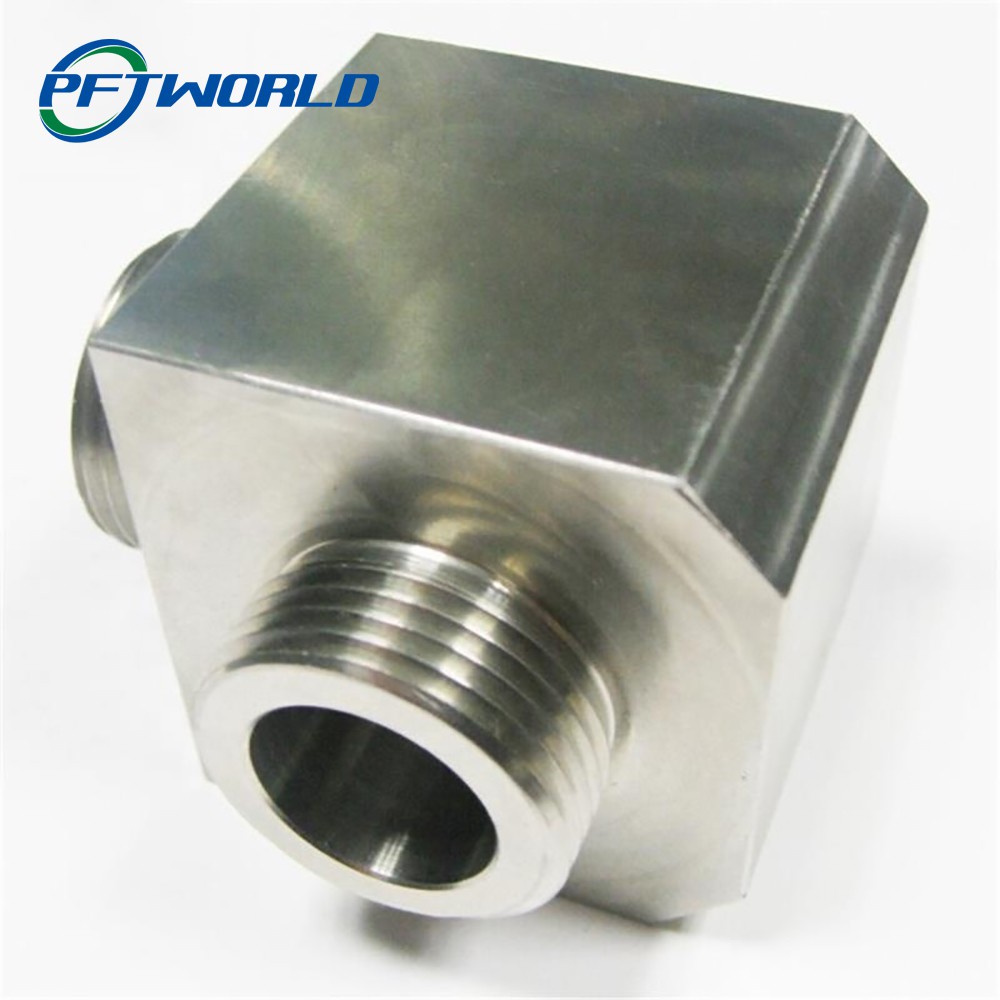
2. Factors affecting the surface polishing of dies
(1) Workpiece surface condition
In the process of machining, the surface of the material will be damaged by heat, internal stress or other factors. Improper cutting parameters will affect the polishing effect. The surface after EDM is more difficult to grind than the surface after machining or heat treatment. Therefore, EDM finishing should be adopted before the end of EDM, otherwise the surface will form a hardened thin layer. If the spark finishing gauge is improperly selected, the depth of the heat affected layer can be up to 0.4 mm. The hardness of the hardened thin layer is higher than that of the substrate and must be removed. Therefore, it is best to add a rough grinding process to provide a good foundation for polishing.
(2) Quality of steel
High quality steel is the prerequisite to obtain good polishing quality. All kinds of inclusions and pores in steel will affect the polishing effect. In order to achieve a good polishing effect, the workpiece must be marked with the surface roughness of polishing at the beginning of machining. When a workpiece is determined to need mirror polishing, it must choose steel with good polishing performance and go through heat treatment, otherwise the expected effect will not be achieved.
(3) Heat treatment process
If the heat treatment is improper, the surface hardness of steel is uneven or there are differences in characteristics, which will cause difficulties in polishing.
(4) Polishing technology
Since polishing is mainly done manually, human skills are still the main reason for affecting the quality of polishing.
It is generally believed that polishing technology affects surface roughness. In fact, a good polishing technology should be combined with high-quality steel and correct heat treatment process to obtain satisfactory polishing effect; On the contrary, if the polishing technology is not good, no matter how good the steel is, the mirror effect cannot be achieved.