

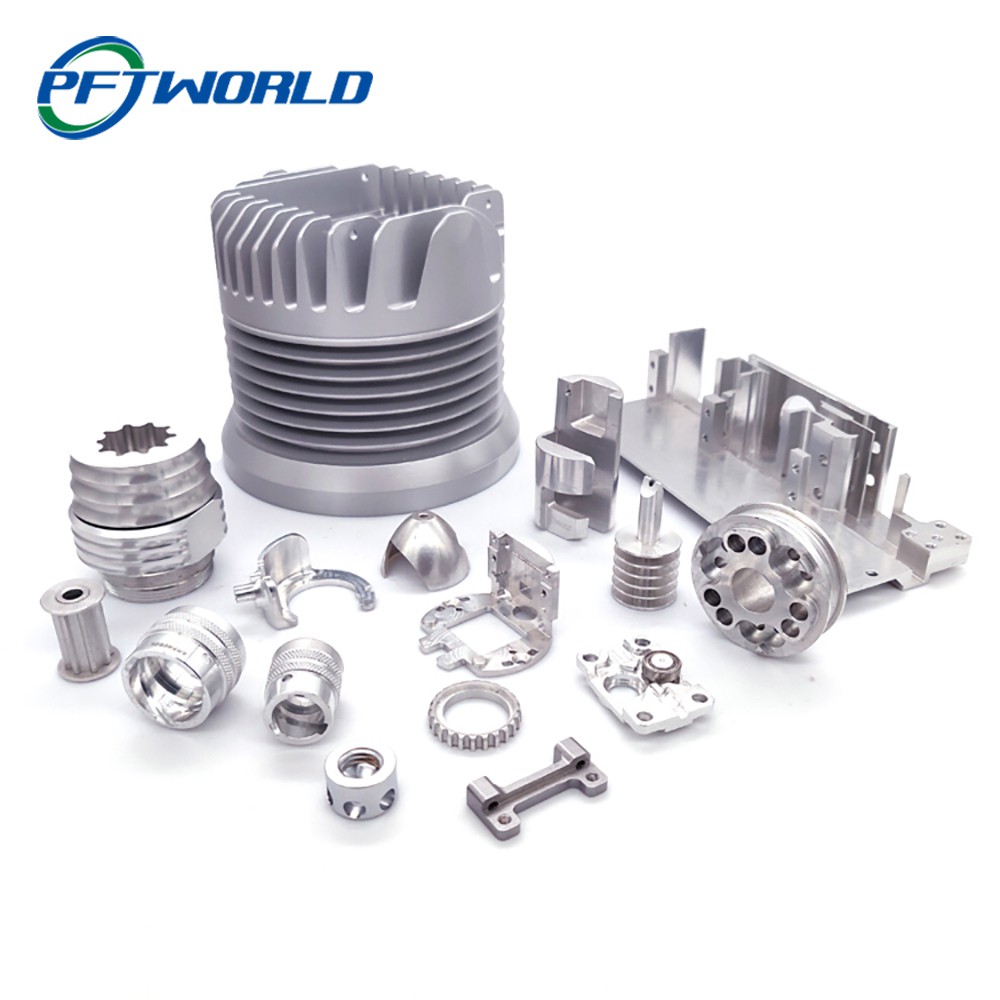
Non ferrous alloys can be roughly divided into: light alloys (aluminum alloys, titanium alloys, magnesium alloys, beryllium alloys, etc.), heavy non-ferrous alloys (copper alloys, zinc alloys, manganese alloys, nickel alloys, etc.), low melting point alloys (lead, tin, cadmium, bismuth, indium, gallium, mercury and their alloys), refractory alloys (tungsten alloys, molybdenum alloys, niobium alloys, Tantalum Alloys, etc.), precious metals (gold, silver, platinum, palladium, etc.) and rare earth metals.
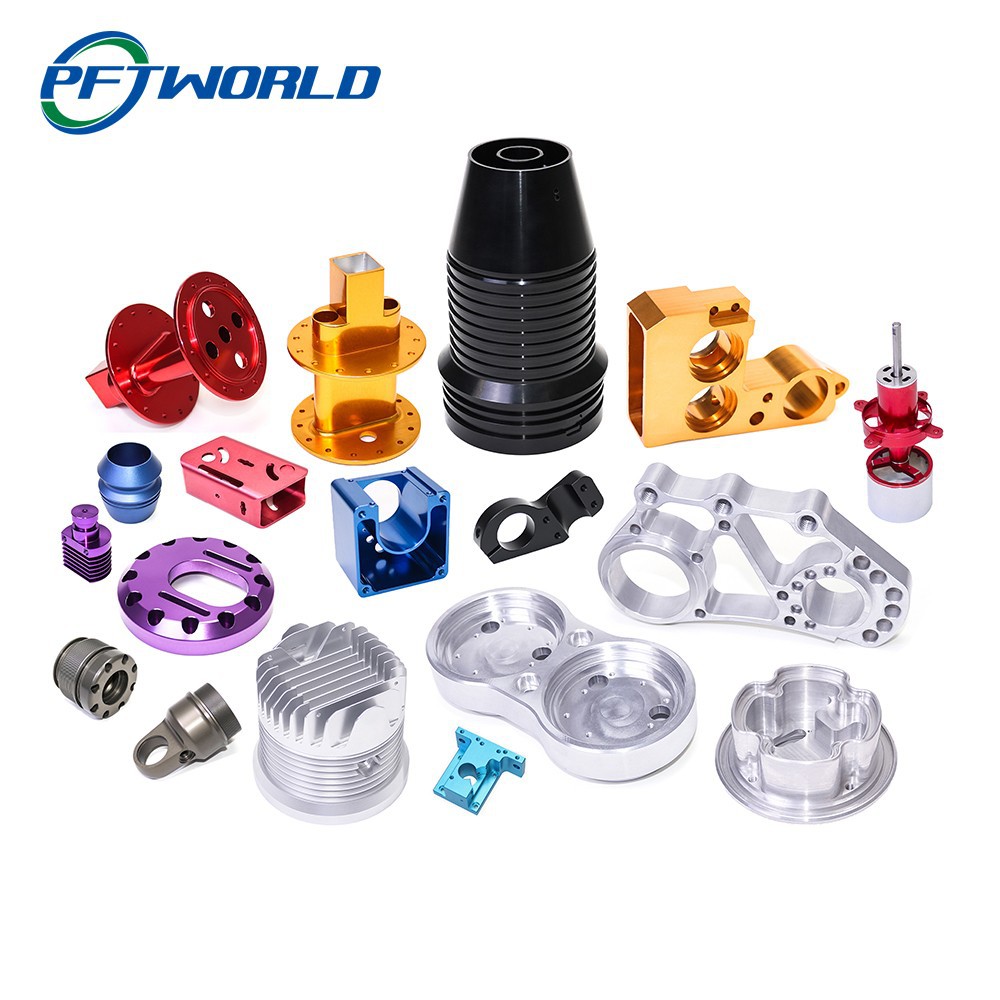
Among them, aluminum alloy is the most widely used. According to statistics, 71% of the total structure of Concorde supersonic aircraft is made of special aluminum alloy; High speed trains, cars and other means of transportation have an increasing demand for aluminum profiles; More and more aluminum materials are used for building decoration, which are beautiful and corrosion-resistant; The consumption of aluminum conductors in power systems and household appliances exceeds that of copper conductors; Aluminum foil can be used to pack food and cigarettes; Aluminum alloy can also be used as capacitors.