

In today's fast-paced industrial landscape, professional manufacturing is no longer defined by basic production-it's about precision, efficiency, and scalability. At the heart of many high-volume production systems lies a critical process: metal stamping. The resulting components, known as metal stamping parts, play an essential role in a wide array of industries, including automotive, aerospace, electronics, medical devices, and consumer goods.
What Are Metal Stamping Parts?
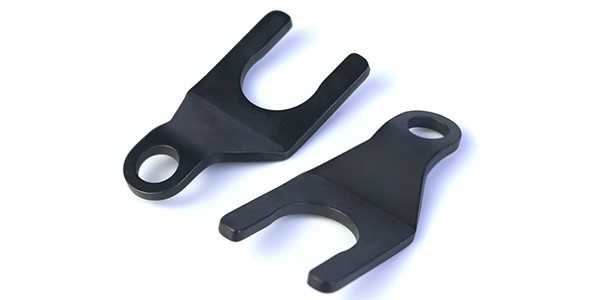
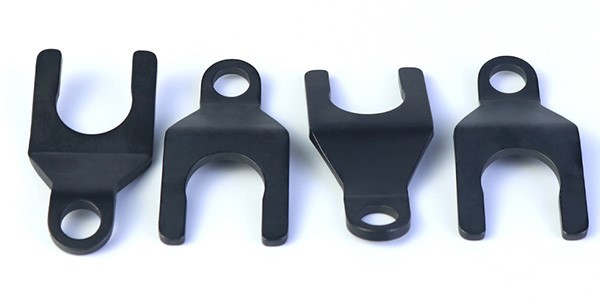
Metal stamping parts are components formed through a process that uses dies and presses to shape flat metal sheets into specific configurations. These parts can range from simple clips and washers to highly intricate connectors and enclosures.
The metal stamping process includes several operations such as:
- Blanking – cutting the raw shape from a metal sheet
- Punching/Piercing – creating holes or cutouts
- Bending/Forming – reshaping material without removing it
- Drawing – stretching the metal to create deeper or hollow features
These steps are often combined in a single progressive die operation, making the process both time- and cost-efficient for high-volume production.
Why Metal Stamping Parts Matter in Professional Manufacturing
Metal stamping is foundational to professional manufacturing due to its ability to deliver:
- High precision and repeatability: Essential for industries like automotive and electronics where consistency is critical.
- Scalability: Once tooling is set up, millions of identical parts can be produced quickly with minimal variation.
- Material efficiency: Little waste is generated, especially with progressive die techniques and nesting optimizations.
- Cost-effectiveness: Compared to machining or casting, stamping is often the most economical solution for flat or moderately shaped metal components.
Common Applications of Metal Stamping Parts
1.Automotive Industry
Chassis brackets, seatbelt anchors, and engine mounts
High-strength stamped steel used for crash-resistance and weight reduction
2.Consumer Electronics
Internal shielding parts, USB connectors, SIM card trays
Thin-gauge stamped components for lightweight design
3.Medical Devices
Precision stainless steel clips, housings, and surgical tools
Often manufactured under ISO 13485 standards for medical-grade quality
4.Industrial Equipment
Electrical contacts, terminal plates, and fasteners
Customized shapes to fit specific mechanical assemblies
Materials Commonly Used in Stamping
- Stainless steel – for corrosion resistance
- Carbon steel – for strength and cost-effectiveness
- Aluminum – for lightweight applications
- Copper and brass – for conductivity in electrical applications
Material selection depends on part function, required strength, corrosion resistance, and industry-specific compliance.
.
Integration With Other Processes
To create a one-stop manufacturing solution, many professional manufacturers integrate metal stamping with:
- CNC machining – for secondary operations like threading or finishing
- Anodizing or plating – for corrosion resistance and aesthetics
- Assembly and packaging – for delivery-ready components
This vertically integrated approach helps reduce lead times, lower costs, and improve communication across production stages.
Quality Control in Metal Stamping
Given the scale of production, quality control is non-negotiable. Professional manufacturers employ:
- In-line sensors for defect detection
- Optical measurement systems
- SPC (Statistical Process Control) to monitor consistency across batches
These systems ensure that metal stamping parts meet or exceed performance requirements and regulatory standards.
Tooling and Design Considerations
Professional manufacturing companies invest heavily in tool and die design, as the quality and durability of stamping tools directly affect production outcomes. CNC machining and wire EDM are commonly used to fabricate precision dies, which must meet tight tolerances to avoid defects.
Designing parts for stamping requires:
- Understanding bend radii and springback
- Selecting appropriate tolerances
- Minimizing sharp corners and deep draws for long tool life