

Introduction:
In the realm of CNC machining, efficiency and precision are paramount. One key strategy to achieve optimal results is mastering the principle of dividing processes and work steps in CNC lathe machining. This article delves into the fundamental aspects of this principle and explores how it can be applied to enhance productivity, reduce errors, and elevate the overall quality of machined components.
Understanding the CNC Lathe Machining Process:
Before delving into the principle of division, it's crucial to have a comprehensive understanding of the CNC lathe machining process. CNC lathes are versatile machines that rotate a workpiece on its axis while various cutting tools remove material to create the desired shape. The process involves several key steps, including design, programming, setup, machining, and inspection.

Process Division:
a. Design and Programming:
Begin the division by segregating the design and programming phase. This involves creating a detailed CAD (Computer-Aided Design) model of the part and then translating it into CNC machine code through CAM (Computer-Aided Manufacturing) software. This separation allows for focused attention on each aspect, minimizing errors and optimizing efficiency.
b. Setup:
The setup phase involves securing the workpiece, loading cutting tools, and configuring the CNC lathe. By isolating this step, machinists can streamline the preparation process, ensuring that the machine is ready for optimal performance during actual machining.
c. Machining:
Break down the machining process into distinct operations, such as roughing and finishing. This division enables the machinist to fine-tune cutting parameters for each operation, optimizing tool life, surface finish, and overall machining time.
d. Inspection:
Post-machining inspection is a critical step to ensure the final product meets specifications. Dividing inspection from the machining phase allows for thorough examination without compromising efficiency.
Work Step Division:
a. Material Preparation:
Before machining begins, ensure the raw material is properly prepared. This includes facing, turning, and other preliminary steps. Dividing material preparation from subsequent machining steps contributes to a more organized and controlled workflow.
b. Roughing and Semi-Finishing:
Divide the machining process into roughing and semi-finishing stages. This allows for efficient material removal while minimizing tool wear and heat generation.
c. Finishing:
Focus on the final finishing steps separately. This includes precision cuts and surface finishes. By isolating this phase, machinists can fine-tune parameters for exceptional surface quality.
d. Final Inspection:
The last work step involves a thorough inspection of the final product. This ensures that the machined component meets all specifications and quality standards.
Benefits of Implementing the Principle of Division:
Error Reduction:
Dividing the process and work steps minimizes the risk of errors by allowing focused attention at each stage.
Optimized Efficiency:
Each phase can be optimized independently, leading to overall improvements in efficiency and reduced machining time.
Enhanced Quality:
Improved control over each step results in higher-quality machined components with precise tolerances and superior surface finishes.
We pay particular attention to quality, and our products undergo strict quality control testing to ensure that they meet the highest industry standards. Our team of experts utilizes advanced inspection methods to verify that each product meets the dimensional accuracy, surface finish, and mechanical properties required by our clients.
In conclusion, maximizing precision and efficiency in CNC lathe machining requires careful division of the machining process into work steps. Our factory offers customized CNC lathe machining solutions that utilize innovative tooling systems and advanced CNC techniques to deliver optimal quality and precision. Contact us today to experience unmatched CNC machining solutions!
About Our More Services.
Processing Material

Aluminum


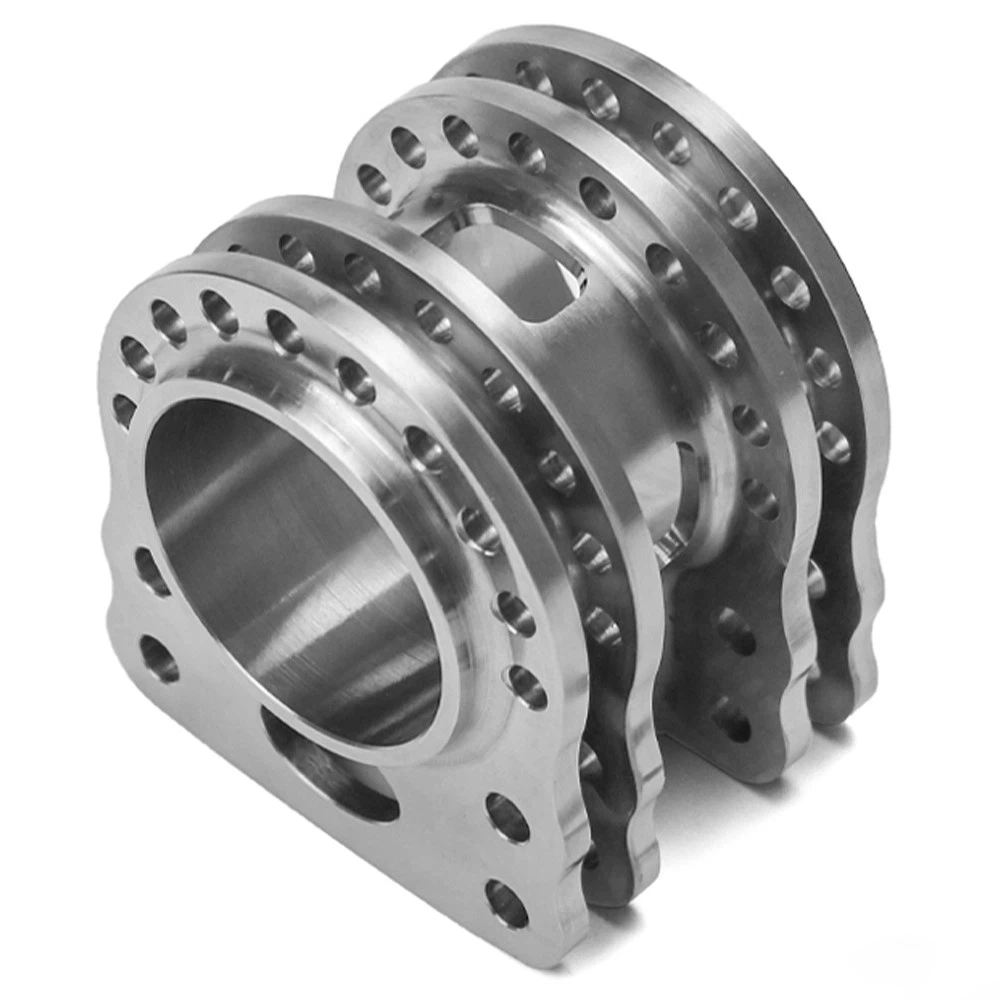
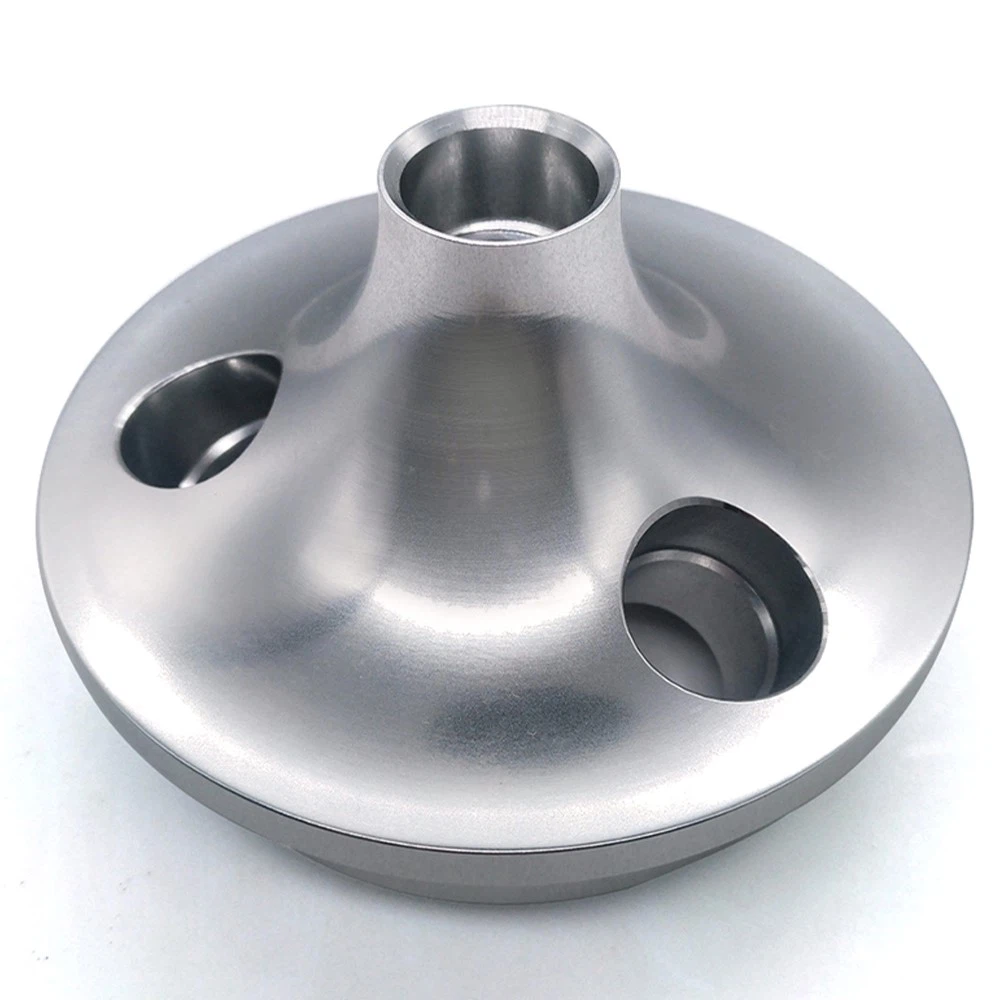
Stainless Steel/Steel/Titanium Alloy



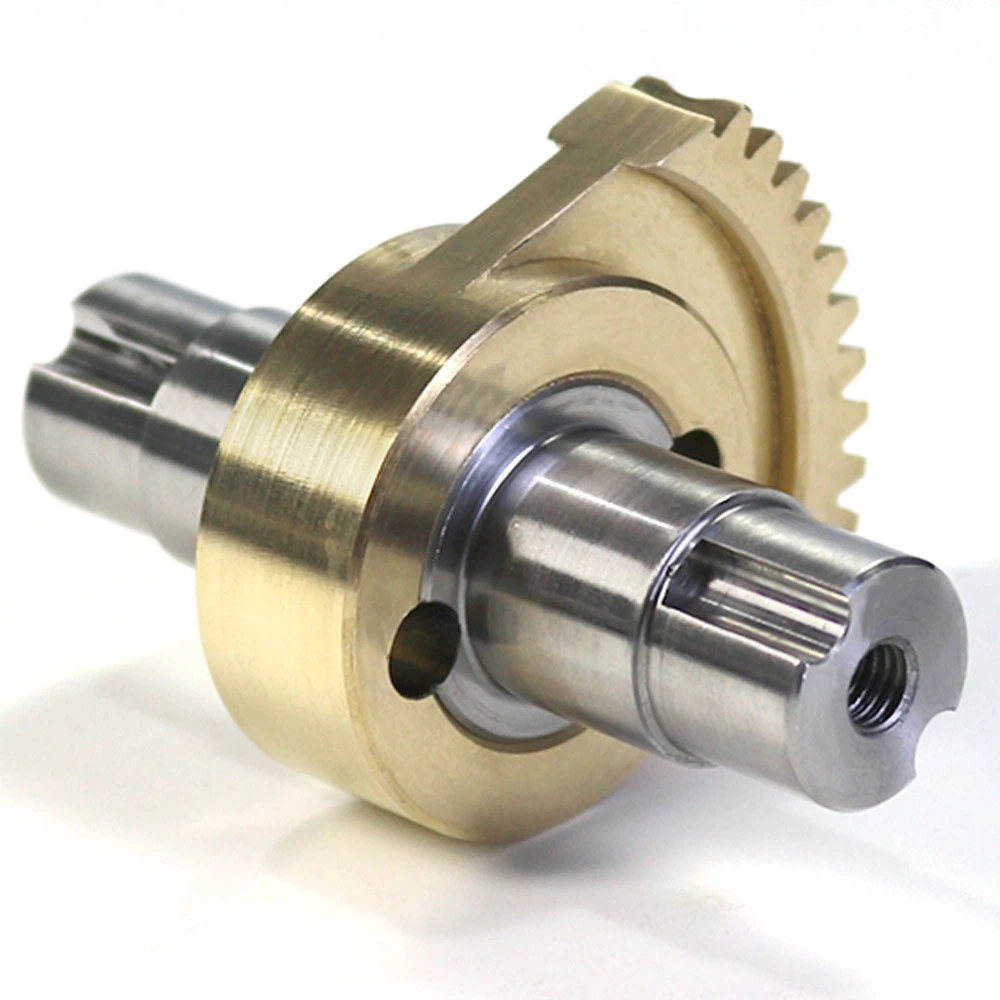
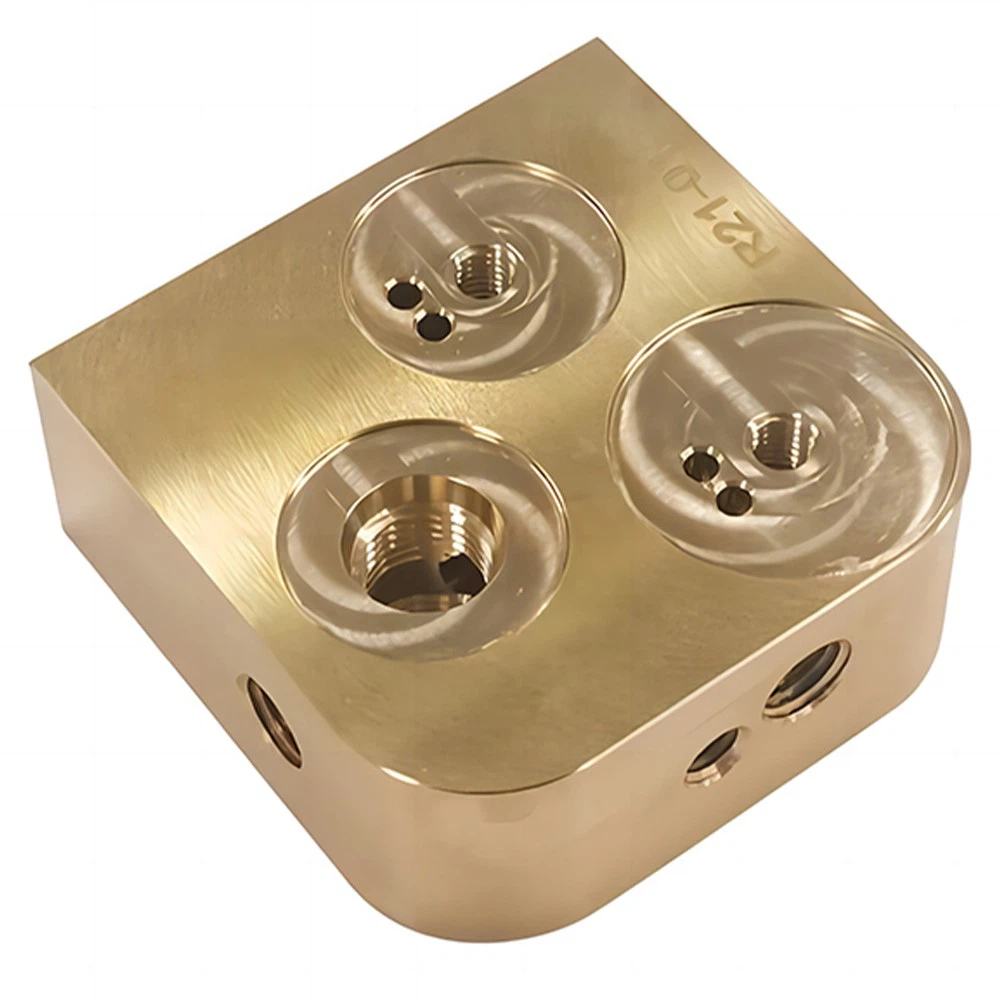
Brass/Copper



Plastic



our Services


Certified


