

Introduction:In the ever-evolving landscape of CNC manufacturing, the choice between Numerical Control (NC) machining and traditional machining methods plays a pivotal role in determining efficiency, precision, and overall productivity. This article delves into the fundamental differences between NC machining and traditional machining, shedding light on the unique advantages each approach brings to the table.
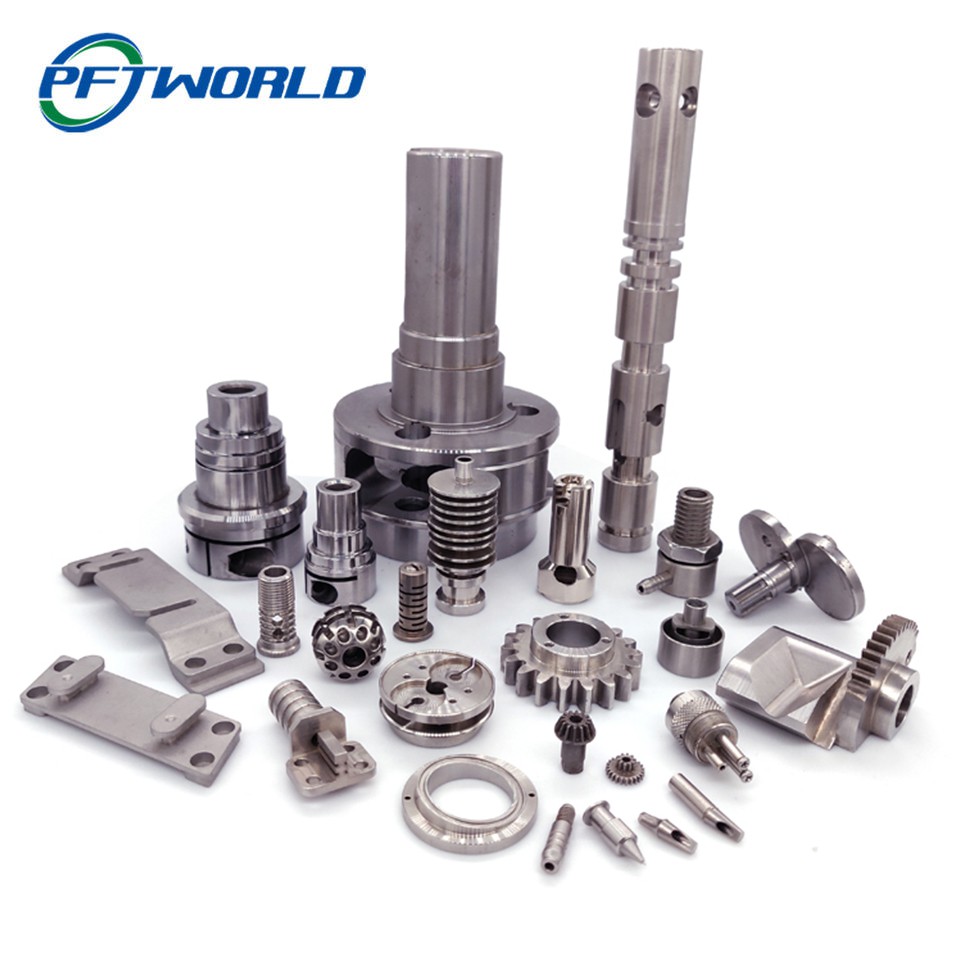
Defining NC Machining:Numerical Control (NC) machining represents a paradigm shift from the conventional methods employed in machining. In NC machining, a computerized system interprets a set of programmed instructions to control the movement of machine tools and achieve the desired outcome. The reliance on computerized code distinguishes NC machining from traditional methods, introducing a new level of accuracy and repeatability.
Traditional Machining Techniques:Contrastingly, traditional machining methods rely on manual operation and the skill of the machinist. Techniques such as manual milling, turning, and grinding have been the backbone of manufacturing for centuries. The artisanal touch of skilled machinists has historically defined the precision and quality of components produced through traditional machining.
Key Differences in Precision:One of the paramount distinctions between NC machining and traditional machining lies in precision. NC machining, driven by computer-aided design (CAD) and computer-aided manufacturing (CAM) software, enables the production of intricate and highly accurate components with minimal error. Traditional machining, while skill-dependent, may exhibit variations in precision based on the operator's proficiency and environmental factors.
Automation and Efficiency:The integration of automation sets NC machining apart from traditional methods in terms of efficiency. Automated tool changes, rapid positioning, and optimized cutting paths enhance productivity and reduce lead times in NC machining. In contrast, traditional machining relies on manual adjustments, which can lead to longer production cycles and increased labor costs.
Complexity and Programming:NC machining introduces a new layer of complexity with the necessity for programming. Skilled programmers are required to generate the code that dictates toolpaths and operations. While this upfront investment in programming may seem daunting, it pays dividends in mass production and consistent quality. Traditional machining, on the other hand, relies on the immediate expertise of the machinist, often making it more adaptable to small-scale or custom projects.
Cost Considerations:Cost plays a crucial role in the decision-making process between NC machining and traditional machining. NC machining may involve higher initial costs due to the need for specialized software, skilled programmers, and advanced machinery. Traditional machining, with its reliance on manual labor and less sophisticated equipment, may present a more cost-effective solution for certain projects.
Conclusion:In conclusion, the choice between NC machining and traditional machining in CNC manufacturing hinges on factors such as precision requirements, production volume, and cost considerations. While NC machining excels in automation, precision, and mass production, traditional machining retains its relevance in specialized, skill-driven projects. Manufacturers must carefully evaluate their specific needs and goals to determine the most suitable approach, recognizing that the synergy between technology and craftsmanship continues to shape the future of CNC manufacturing.
About Our More Services.
Processing Material

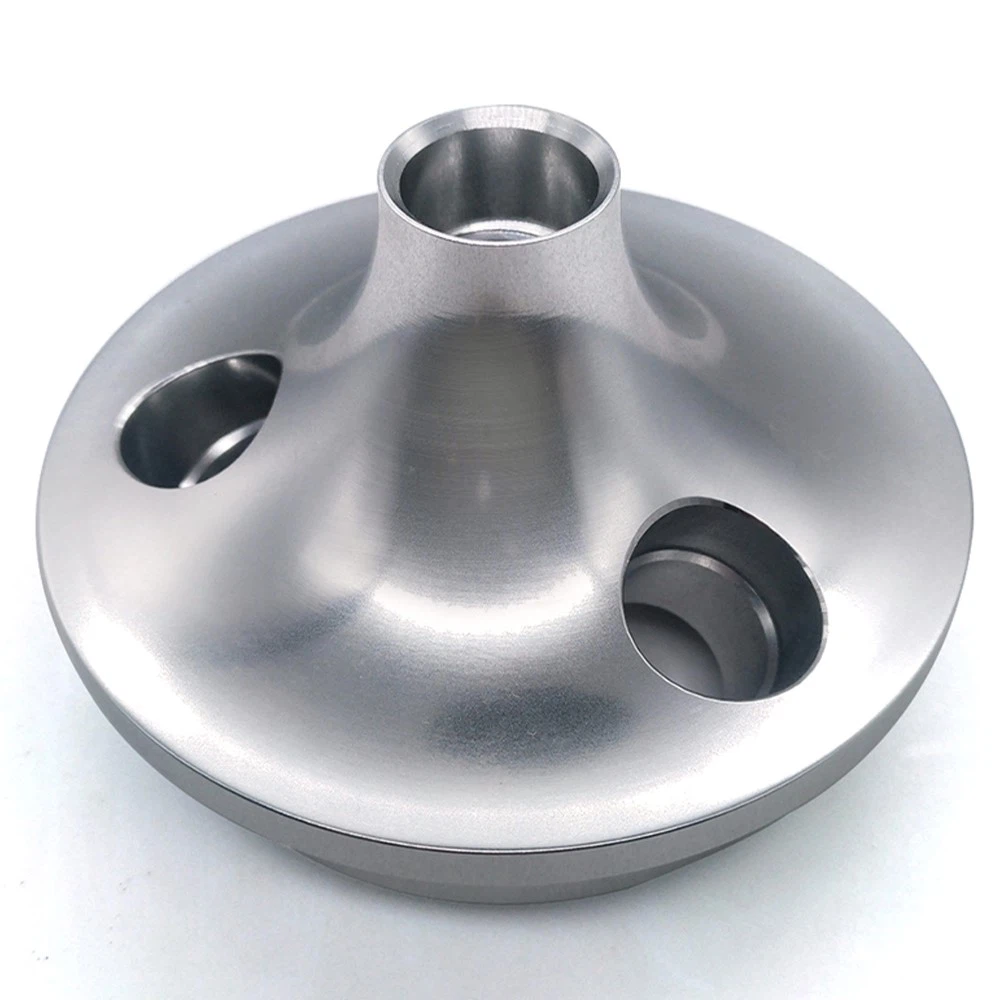
Aluminum


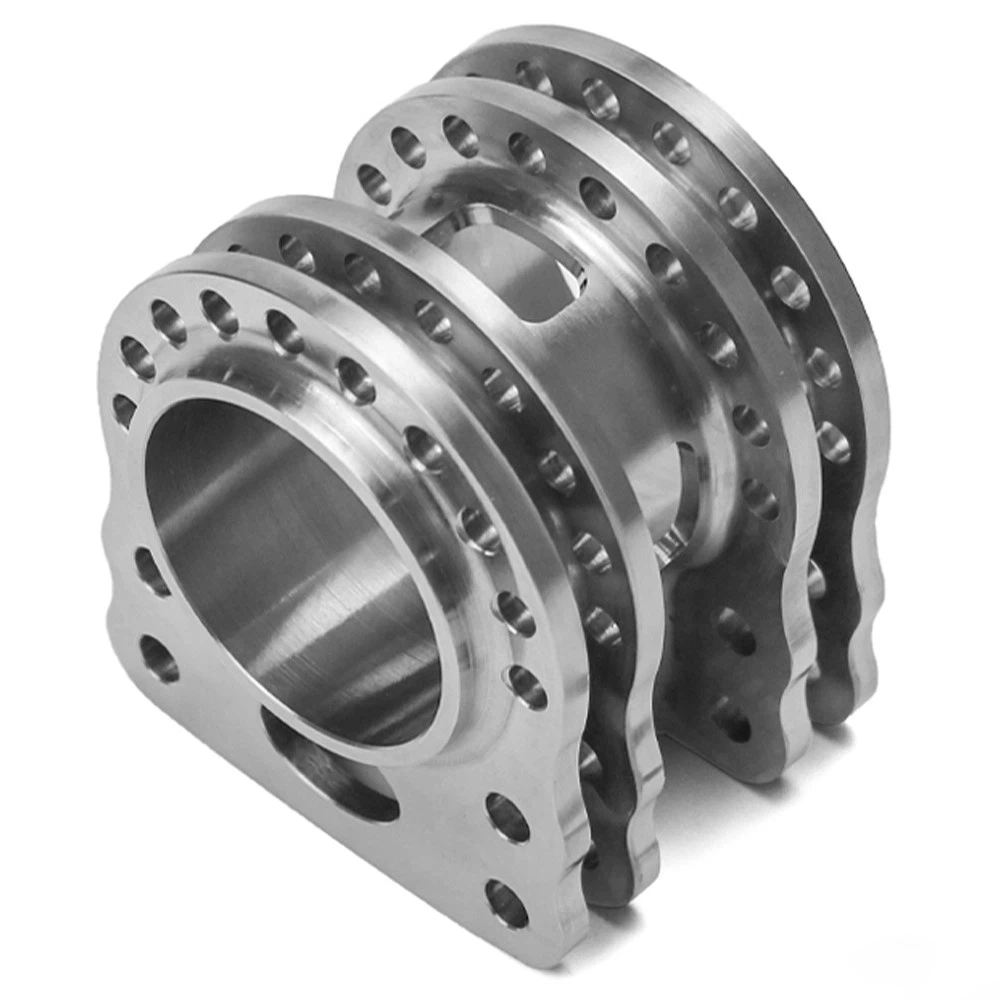
Stainless Steel/Steel/Titanium Alloy



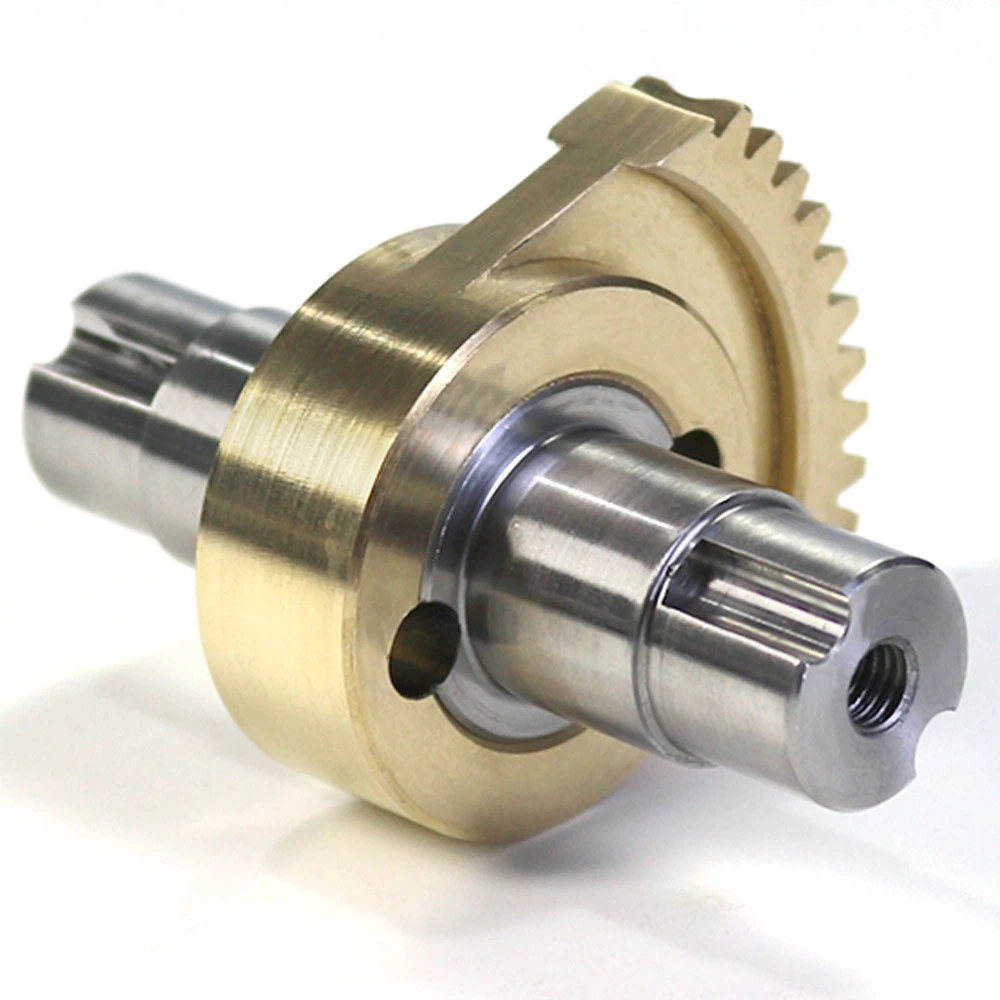
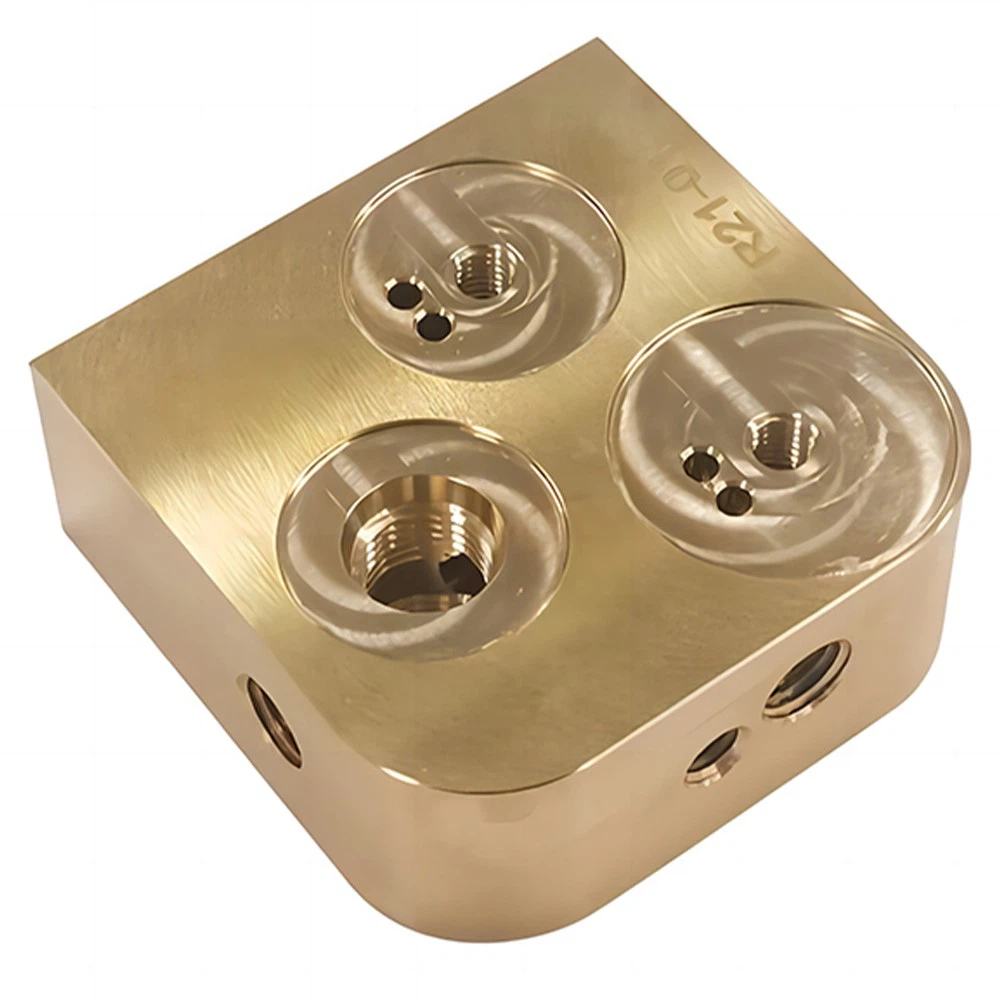
Brass/Copper



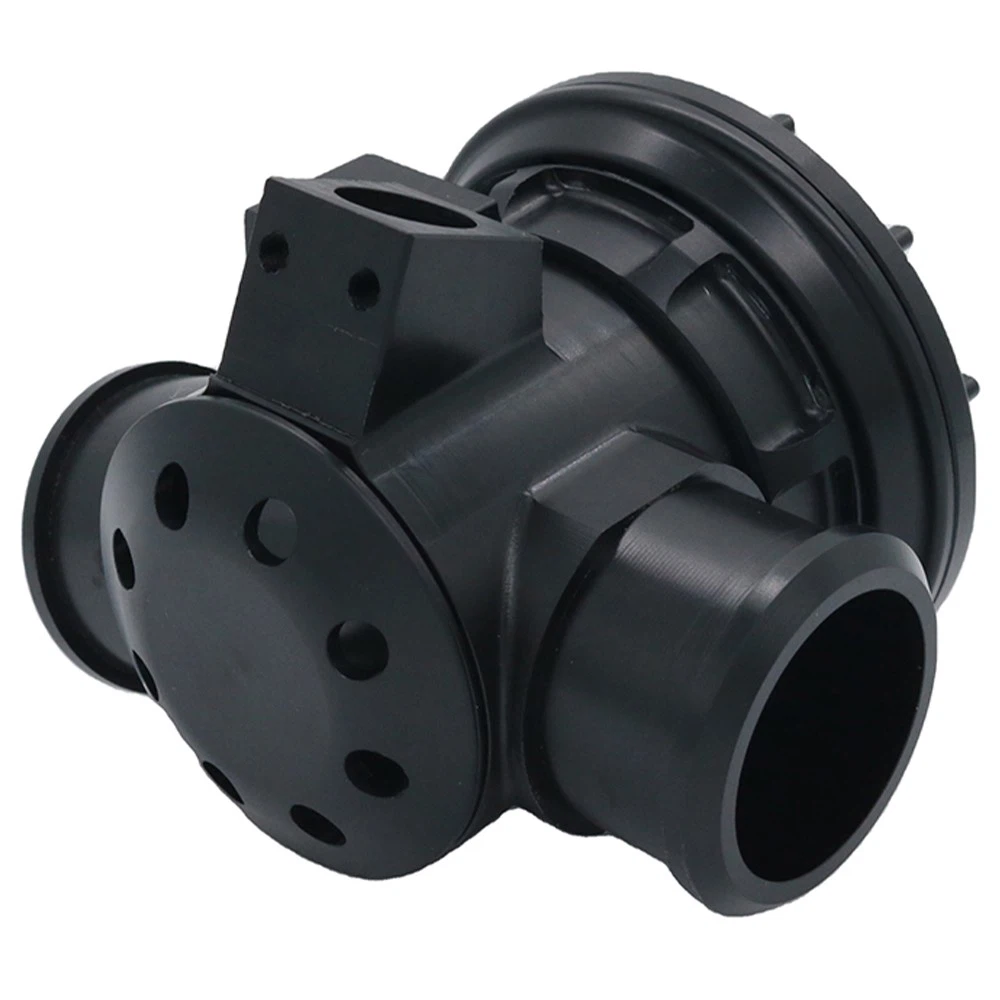
Plastic



our Services


Certified


