

Introduction
- Brief overview of CNC machining in the medical device industry.
- Importance of selecting the right materials for CNC processing in medical applications.

1. Biocompatible Materials
- Explanation of biocompatibility and its significance in medical devices.
- Examples of biocompatible materials suitable for CNC machining.
- How these materials ensure patient safety and compliance with regulatory standards.
2. Stainless Steel Alloys
- Discussion on the popularity of stainless steel in medical devices.
- Advantages of using stainless steel alloys in CNC machining for medical applications.
- Common stainless steel alloys preferred in the medical device industry.
3. Titanium Alloys
- Overview of titanium alloys and their exceptional properties.
- Benefits of using titanium in medical devices, including CNC machining.
- Applications where titanium is particularly advantageous.
4. Plastics and Polymers
- Examination of CNC-machinable plastics suitable for medical devices.
- Advantages and considerations when working with medical-grade polymers.
- Specific examples of plastics commonly used in CNC processing for medical applications.
5. Aluminum Alloys
- Highlighting the role of aluminum in the medical device manufacturing process.
- Advantages and limitations of using aluminum alloys in CNC machining for medical devices.
- Applications where aluminum is a preferred choice.
6. Custom Alloys and Hybrid Materials
- Exploration of emerging trends in custom alloy development for medical devices.
- The use of hybrid materials to achieve specific properties for CNC-machined medical components.
- Case studies or examples showcasing the success of custom alloys in medical applications.
7. Challenges and Considerations
- Addressing challenges associated with CNC machining of materials for medical devices.
- Factors to consider, such as sterilization requirements, chemical resistance, and wear resistance.
- Strategies to overcome material-related challenges in medical device manufacturing.
8. Future Trends and Innovations
- Discussing potential advancements in CNC machining materials for the medical device industry.
- Exploration of cutting-edge technologies and materials on the horizon.
Conclusion
- Summarizing key points discussed in the article.
- Emphasizing the importance of material selection in CNC machining for medical devices.
- Encouraging manufacturers to stay informed about evolving materials and technologies.
Remember to include relevant data, case studies, and examples to support your points. Additionally, consider the perspective of your target audience, which may include engineers, designers, and decision-makers in the medical device manufacturing sector.
About Our More Services.
Processing Material

Aluminum


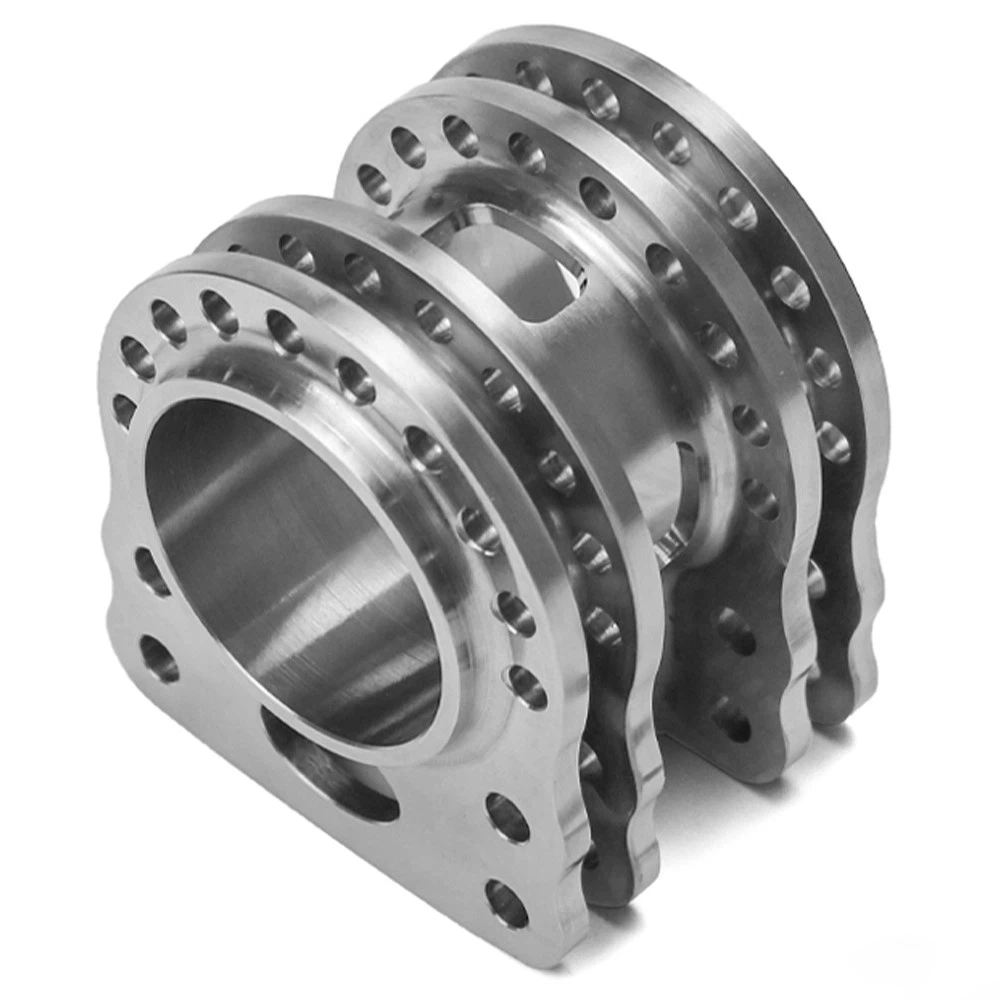
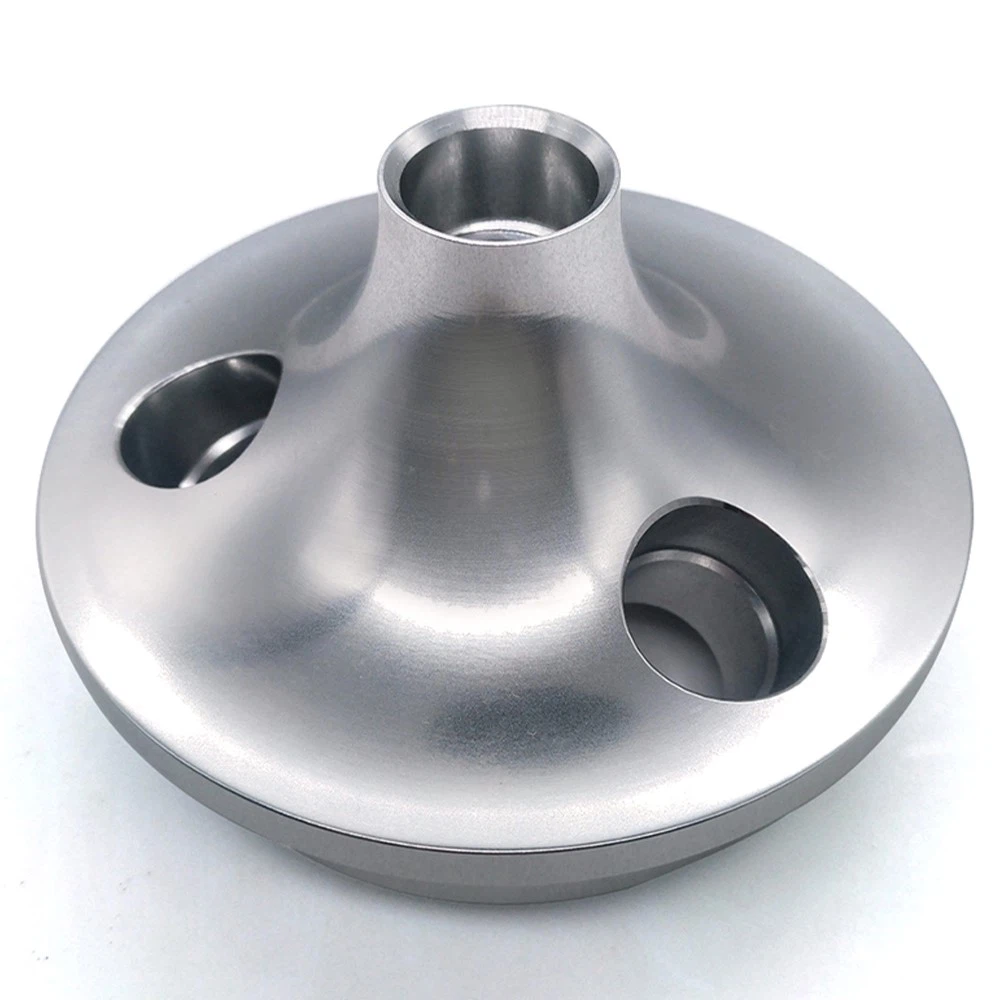
Stainless Steel/Steel/Titanium Alloy



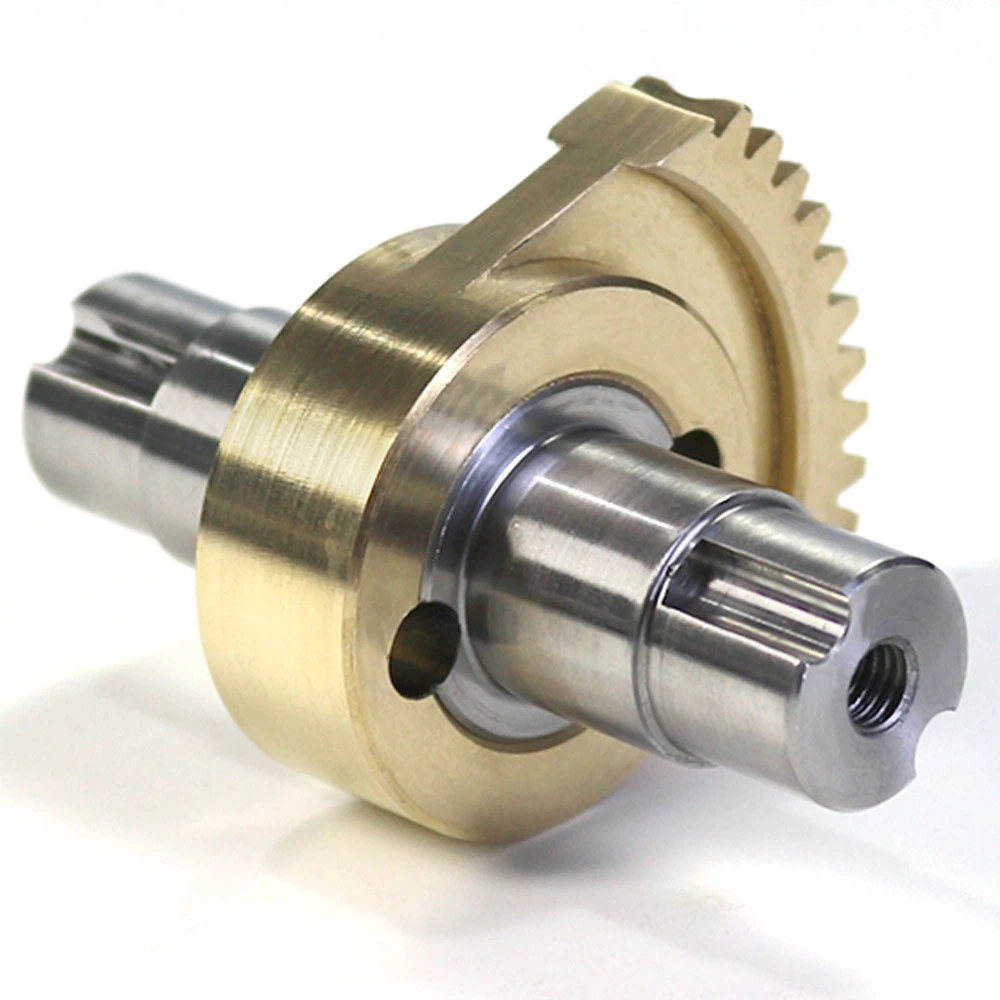
Brass/Copper




Plastic




our Services


Certified


