

Introduction:
In the highly competitive landscape of CNC machining, efficiency and cost-effectiveness play pivotal roles in determining the success of a manufacturing operation. In this article, we will delve into strategic approaches that can help manufacturers optimize their processes and reduce machining costs without compromising on quality.

Material Selection and Utilization:
One of the primary factors influencing machining costs is the choice of materials. Opt for materials that meet the project's requirements without unnecessary excess. Consider recyclable or sustainable materials that align with both cost and environmental goals. Additionally, maximize material utilization by optimizing part nesting to minimize waste.
Advanced Tooling Techniques:
Implementing cutting-edge tooling techniques can significantly impact machining costs. High-quality cutting tools may have a higher upfront cost but often result in longer tool life and improved efficiency, ultimately reducing overall costs. Regularly inspect and maintain tools to ensure they operate at peak performance.
Optimized Machining Parameters:
Fine-tuning machining parameters such as cutting speed, feed rate, and depth of cut can lead to substantial savings. Conduct thorough testing and analysis to identify the optimal parameters for each machining operation. Modern CNC machines often come equipped with advanced control systems that allow for real-time adjustments, enhancing efficiency.
Automation and Robotics:
Integrate automation and robotics into the machining process to minimize labor costs and enhance precision. Automated systems can operate continuously, reducing downtime and increasing overall productivity. While the initial investment may be significant, the long-term gains in efficiency and cost reduction can be substantial.
Lean Manufacturing Principles:
Adopting lean manufacturing principles can streamline operations and eliminate waste. Evaluate and optimize workflows, eliminate unnecessary processes, and implement just-in-time inventory management to reduce excess material costs. Continuous improvement initiatives can lead to ongoing cost savings.
Energy Efficiency:
Evaluate the energy consumption of CNC machines and implement measures to enhance energy efficiency. Regular maintenance, proper lubrication, and the use of energy-efficient equipment can contribute to reduced operational costs over time.
Supplier Collaboration:
Foster strong relationships with material suppliers and tool manufacturers. Negotiate bulk discounts, explore alternative materials, and collaborate on cost-saving initiatives. A well-established partnership can lead to better pricing, improved lead times, and shared insights that benefit both parties.
Employee Training and Development:
Invest in training programs for machine operators and programmers to enhance their skills and proficiency. Well-trained personnel can optimize machining processes, minimize errors, and contribute to overall cost reduction.
Conclusion:
In conclusion, the key to cutting machining costs lies in a holistic approach that combines advanced technology, efficient processes, and strategic decision-making. By embracing these strategies, CNC machining manufacturers can achieve a competitive edge in the market while maintaining high-quality standards.
About Our More Services.
Processing Material

Aluminum


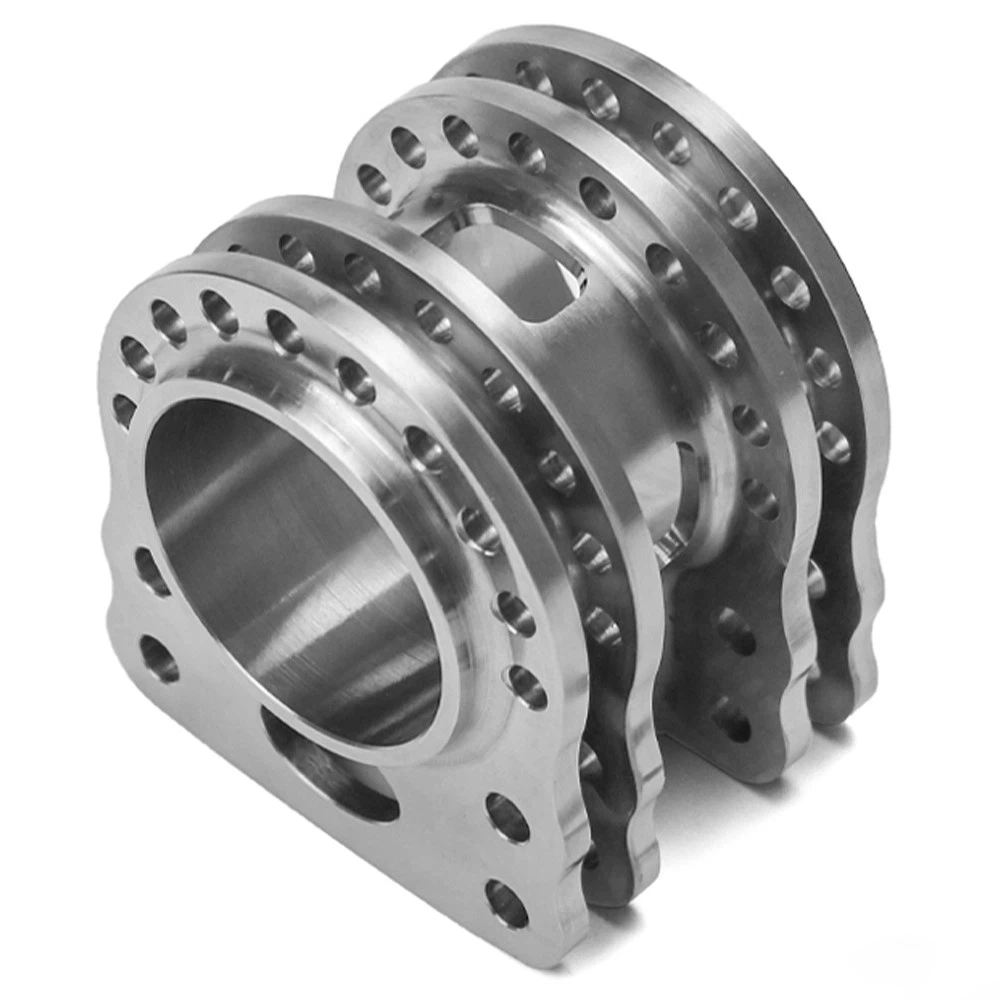
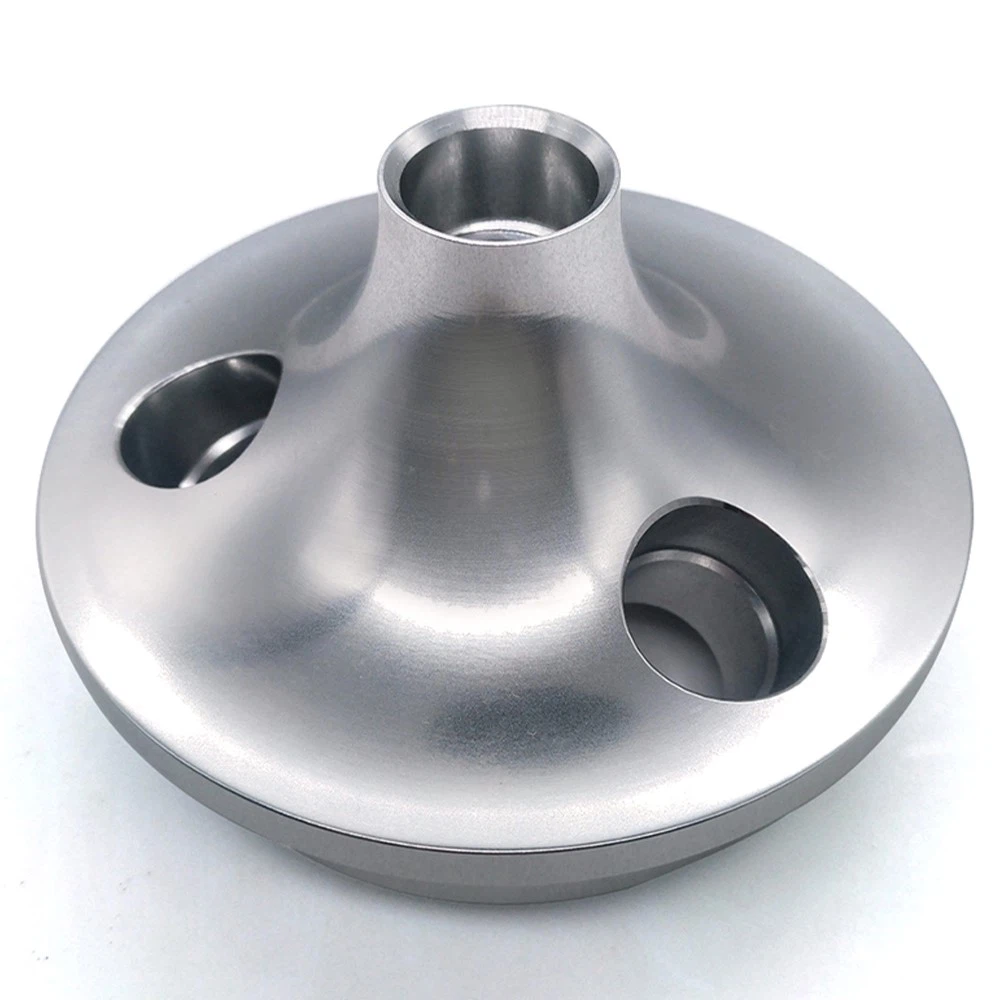
Stainless Steel/Steel/Titanium Alloy



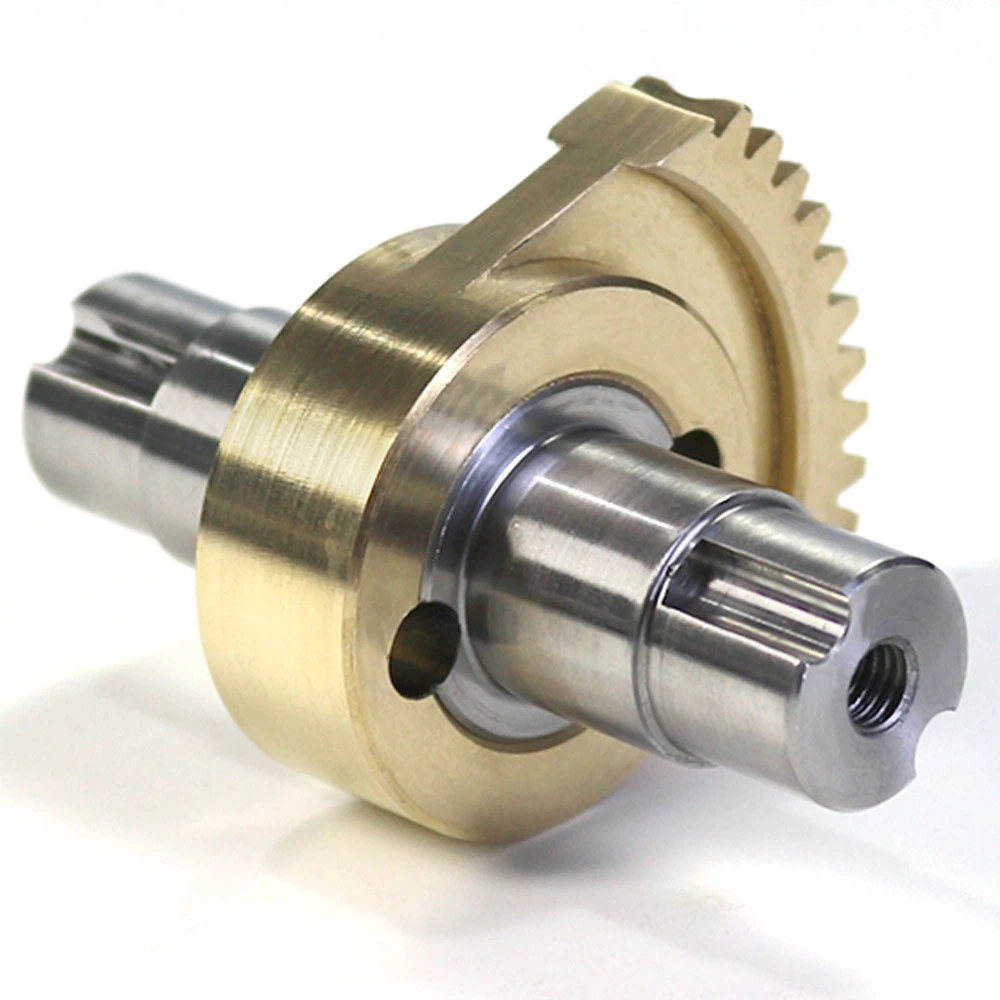
Brass/Copper




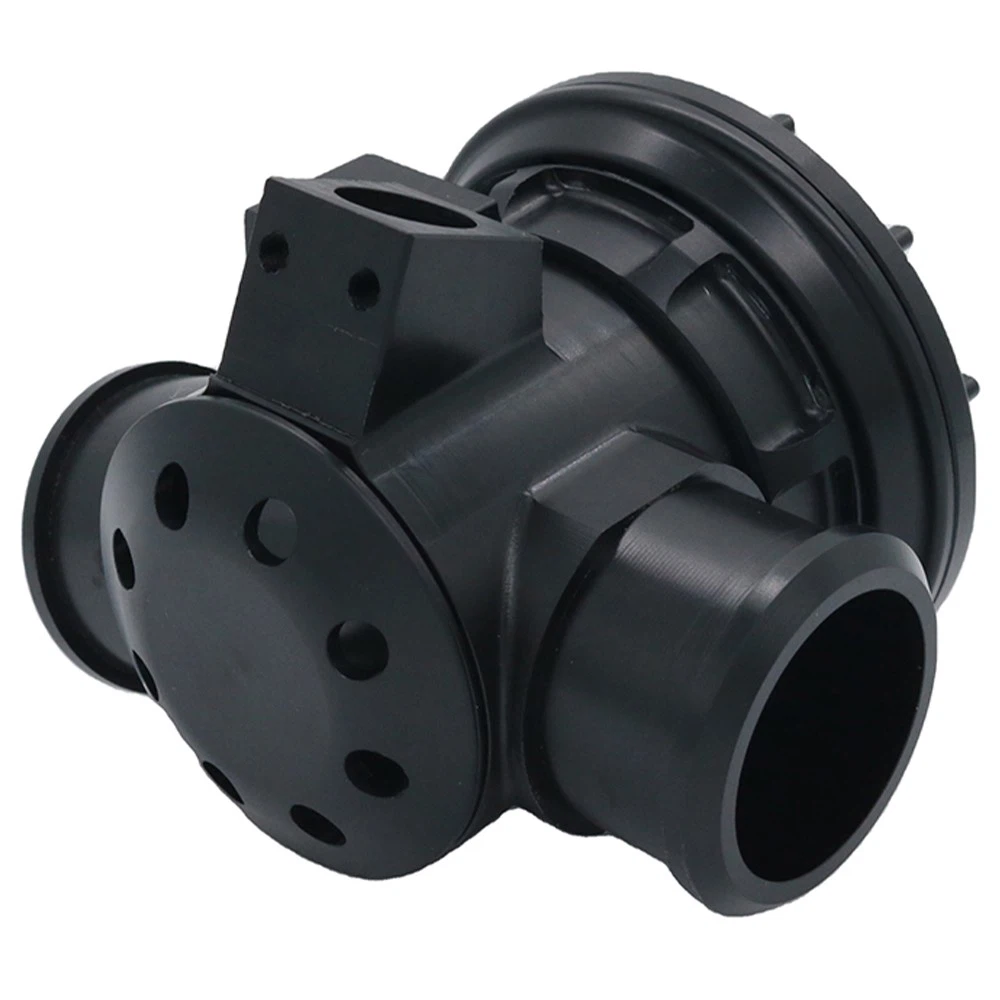
Plastic



our Services


Certified


