

In the intricate world of medical devices and equipment, precision is not just a virtue—it's a necessity. Precision shafts, often overlooked but profoundly significant, play a crucial role in the functionality and reliability of medical instruments. This article delves into the vital role of precision shafts in the medical industry, exploring their applications, manufacturing intricacies, and the impact they have on advancing healthcare technology.
The Critical Role of Precision Shafts in Medical Devices
**1. Surgical Robotics:
In the realm of minimally invasive surgery, precision is paramount. Surgical robots, guided by intricate systems of precision shafts, offer surgeons unprecedented control and accuracy. From precise incisions to delicate maneuvers, these shafts contribute to the finesse required in surgical procedures.
2. Imaging Systems:
Precision is equally vital in medical imaging devices such as CT scanners, MRI machines, and X-ray systems. The rotational movements and positioning mechanisms in these systems rely on precision shafts to ensure accurate imaging, diagnosis, and treatment planning.

3. Infusion Pumps and Drug Delivery Systems:
In drug delivery systems, especially those requiring controlled and programmable infusion rates, precision shafts govern the mechanisms that regulate the flow of medication. This precision is indispensable for ensuring the accurate dosage and timing critical in medical treatments.
4. Diagnostic Instruments:
Precision shafts find application in various diagnostic instruments, including blood analyzers and laboratory equipment. The accuracy and consistency of these instruments heavily depend on the precise movement and positioning facilitated by high-quality shafts.

Manufacturing Precision Shafts for Medical Applications
1. Material Selection:
The choice of materials is crucial in manufacturing precision shafts for medical applications. Materials such as stainless steel and titanium are favored for their corrosion resistance, biocompatibility, and ability to withstand the rigorous sterilization processes required in medical settings.
2. Tolerances and Surface Finish:
Medical devices demand extremely tight tolerances, and precision shafts are no exception. The manufacturing process must ensure minimal deviations to guarantee the reliability of the device. Additionally, a smooth surface finish is essential to prevent friction and ensure the longevity of the shaft.
3. Quality Control and Testing:
Rigorous quality control measures are imperative. Inspection techniques, including advanced metrology tools, are employed to verify dimensional accuracy and surface quality. Non-destructive testing methods ensure the integrity of the shafts, adhering to the highest standards of safety and performance.
Advancements and Future Trends
1. Miniaturization:
As medical devices trend towards miniaturization, precision shafts are following suit. Miniature shafts with nanoscale precision are becoming increasingly essential in devices such as microbots for targeted drug delivery and minimally invasive procedures.
2. Smart and Self-Lubricating Shafts:
Innovations are focusing on creating smart shafts with built-in sensors to monitor performance in real-time. Additionally, self-lubricating materials are being explored to reduce friction and wear, enhancing the durability of precision shafts in medical applications.
3. Integration with Industry 4.0:
The integration of precision shafts with Industry 4.0 principles involves connectivity and data exchange. This allows for predictive maintenance, minimizing downtime and ensuring the continuous reliability of medical devices.
About Our More Services.
Processing Material

Aluminum


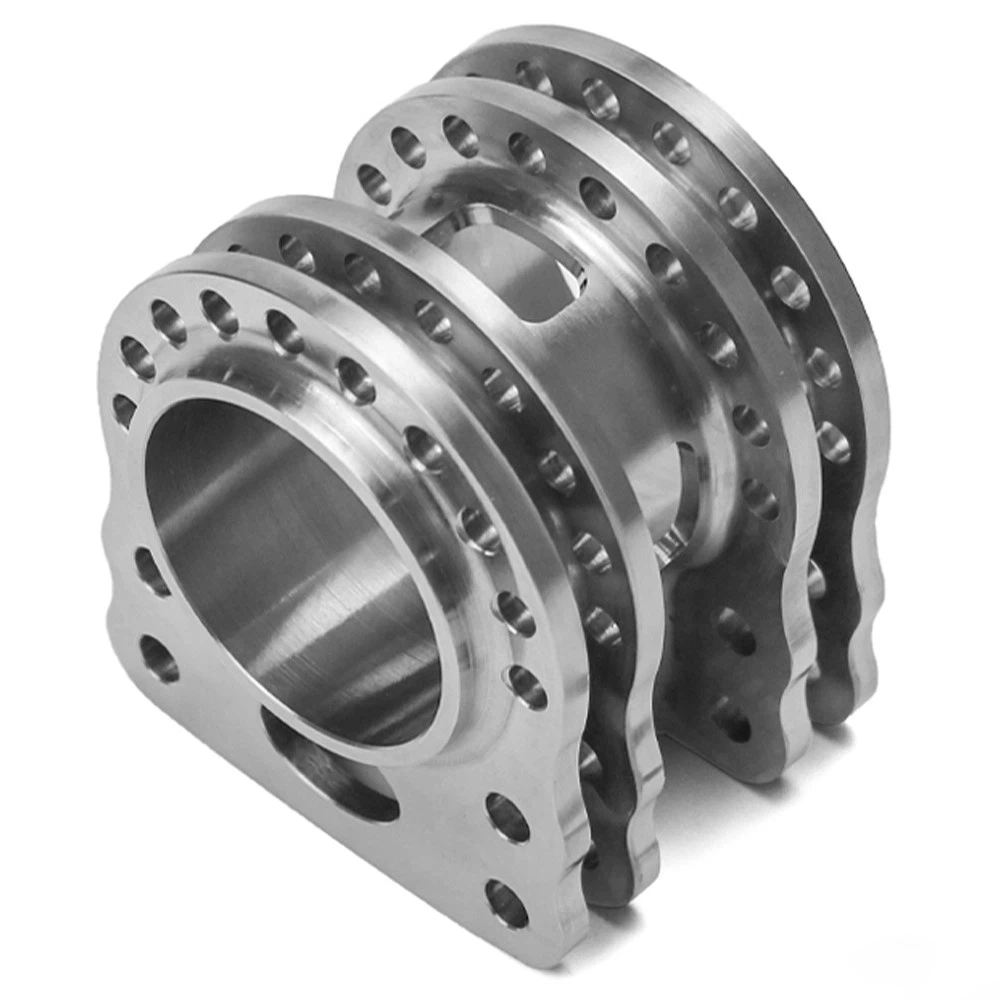
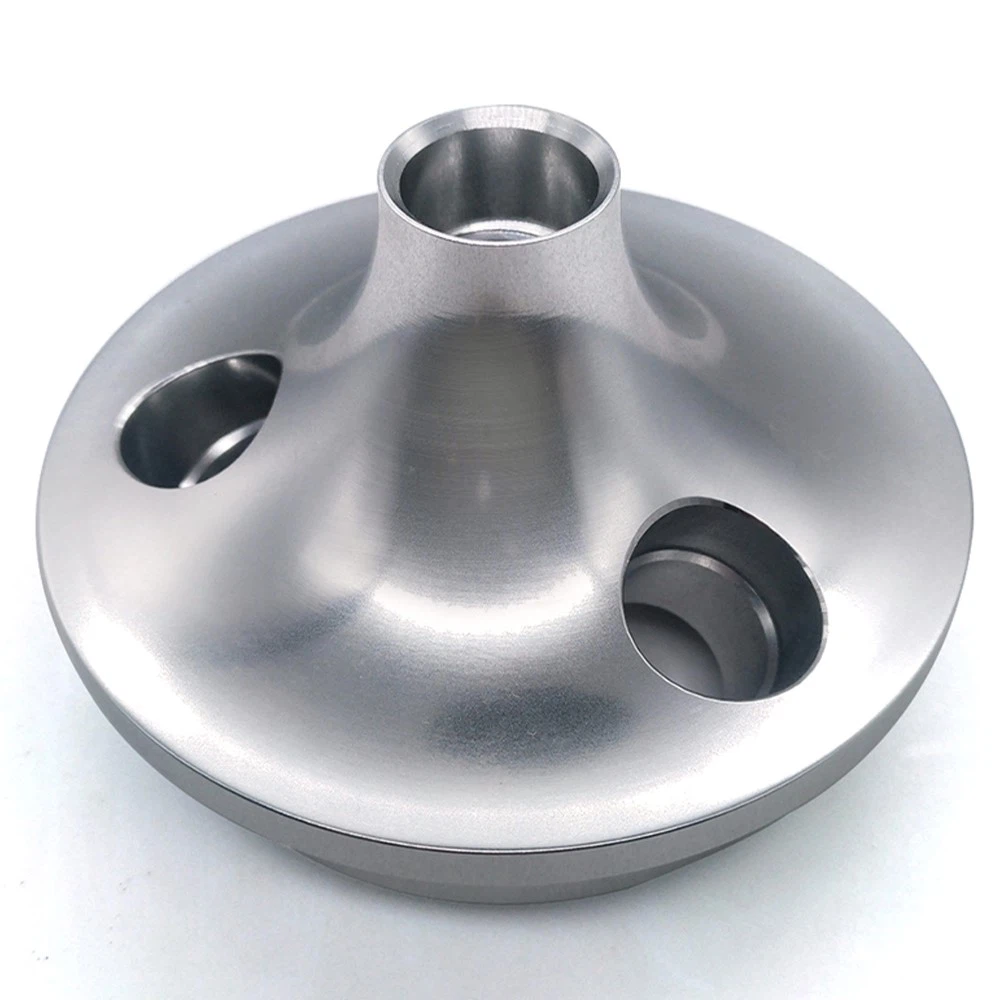
Stainless Steel/Steel/Titanium Alloy



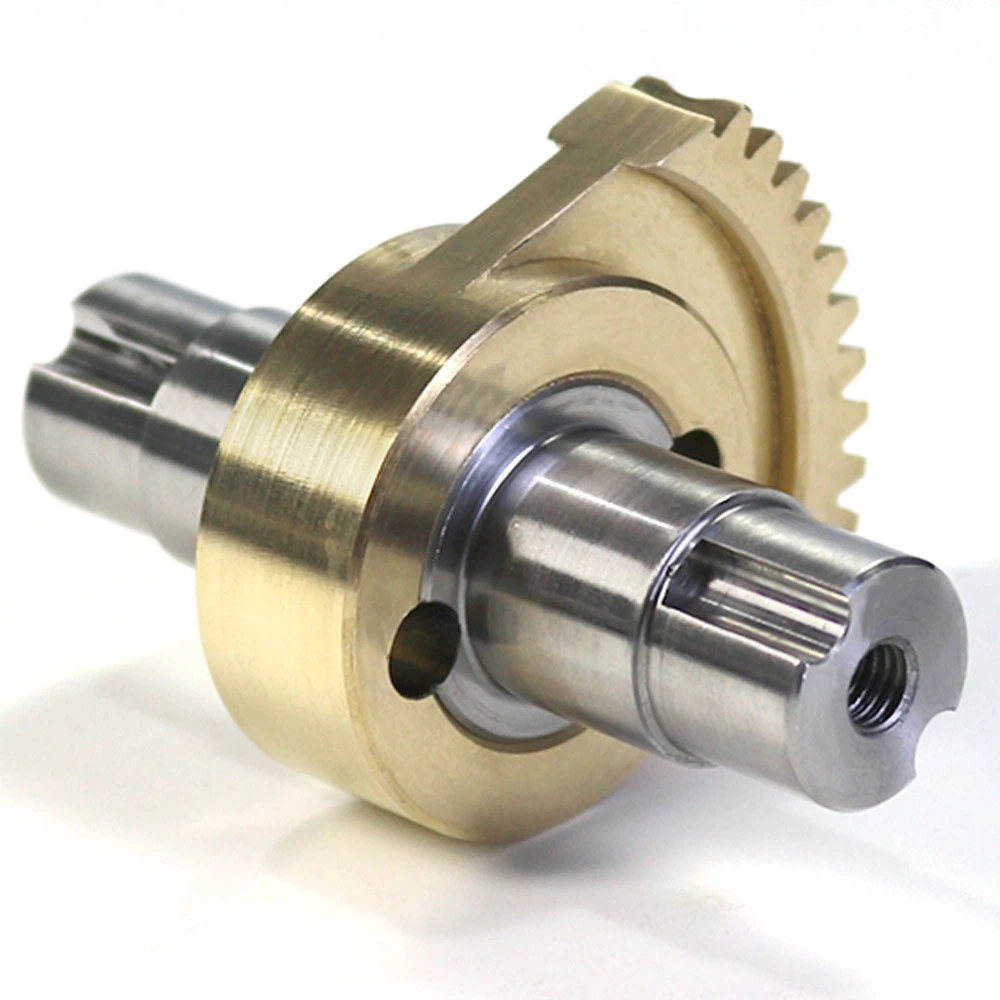
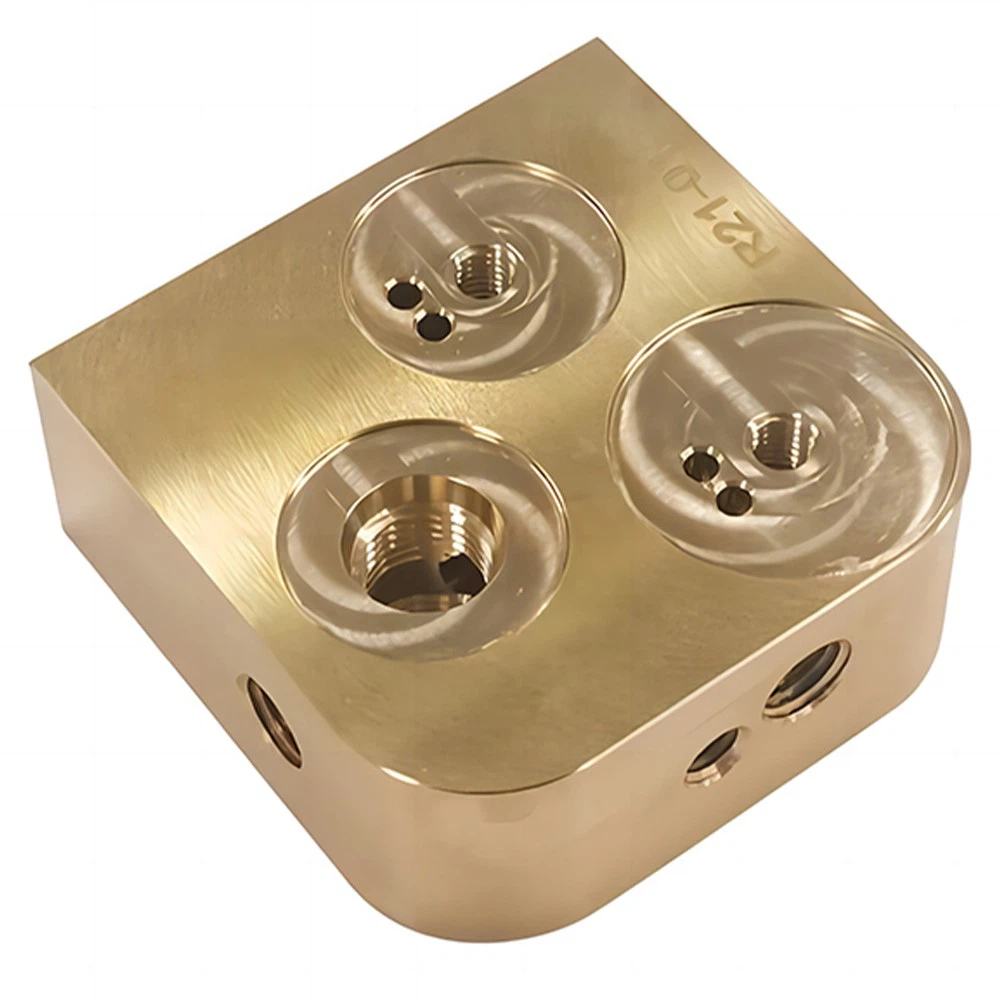
Brass/Copper



Plastic



our Services


Certified


