

In the realm of manufacturing, where precision is not just a requirement but a mandate, the machining of hardware parts emerges as a critical juncture. The process of crafting precision hardware parts is a symphony of cutting-edge technology, meticulous craftsmanship, and unwavering attention to detail. In this exploration, we unravel the layers of the precision hardware parts machining process, delving into its performance intricacies that define excellence in modern engineering.
The Essence of Precision Hardware Parts:
Precision hardware parts form the backbone of myriad industries, from aerospace to medical devices. These components, often small but indispensable, demand an unparalleled level of accuracy. Whether it's a micro gear within a medical instrument or a specialized screw in aerospace engineering, the precision achieved in crafting hardware parts is the linchpin of functionality and reliability.

Key Elements of the Machining Process:
1. Advanced CNC Machining:
At the heart of precision hardware parts machining is CNC (Computer Numerical Control) machining. This sophisticated technology allows for the automation of machine tools with incredibly high levels of precision. The ability to program every movement ensures that each hardware part is crafted with exacting accuracy.
2. Material Selection Expertise:
Precision is not solely about the machining process; it begins with the selection of materials. Machining hardware parts requires an in-depth understanding of various materials, from metals like aluminum and stainless steel to engineering plastics. The right material, chosen with precision, sets the stage for flawless machining.
3. Tolerance Mastery:
Tolerances in the machining world refer to the permissible limits of variation. Achieving tight tolerances in hardware parts is an art form. The machining process must be calibrated to operate within minuscule margins, ensuring that each part fits seamlessly into the broader machinery or system.
Performance Metrics in Precision Machining:
1. Dimensional Accuracy:
The hallmark of a well-machined hardware part is its adherence to specified dimensions. Precision machining ensures that each cut, each contour, aligns precisely with the design specifications.
2. Surface Finish Excellence:
Beyond functionality, aesthetics matter. Precision machining doesn't just meet the functional requirements; it elevates the surface finish, ensuring a polished and refined appearance.
3. Material Integrity Preservation:
Precision machining goes hand in hand with preserving the integrity of the material. Whether it's preventing heat-induced distortions or minimizing material waste, the performance of the machining process extends to material conservation.
Challenges and Innovations:
Precision hardware parts machining is not without its challenges. From the intricacies of micro-machining to addressing the unique properties of diverse materials, each project presents its own set of hurdles. However, it's in overcoming these challenges that innovation thrives. Advanced tooling, real-time monitoring, and adaptive machining strategies are the innovations that propel the performance of the machining process to new heights.
Future Trends in Precision Machining:
The trajectory of precision machining is poised for exciting advancements. The integration of AI (Artificial Intelligence) and IoT (Internet of Things) in machining processes is on the horizon. Predictive maintenance, self-optimizing machining parameters, and even more sophisticated CNC capabilities are ushering in an era where precision is not just achieved but anticipated.
About Our More Services.
Processing Material

Aluminum


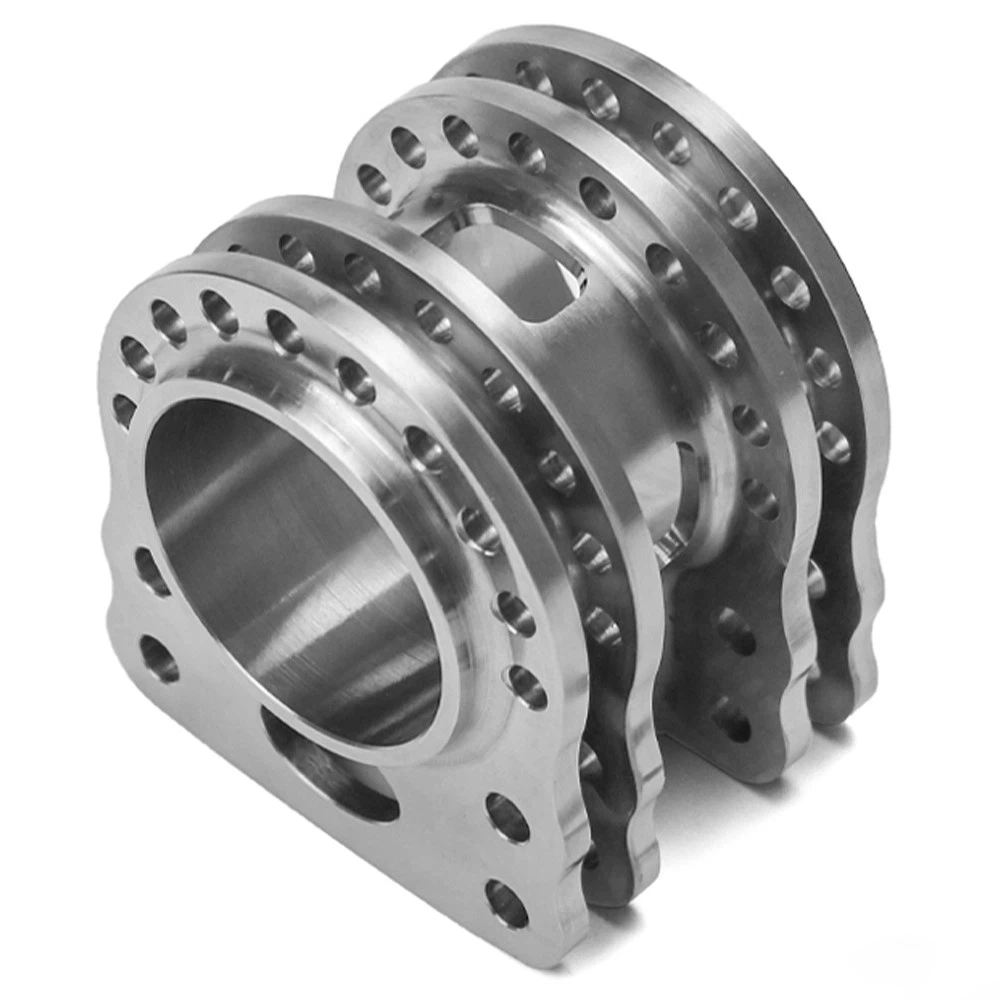
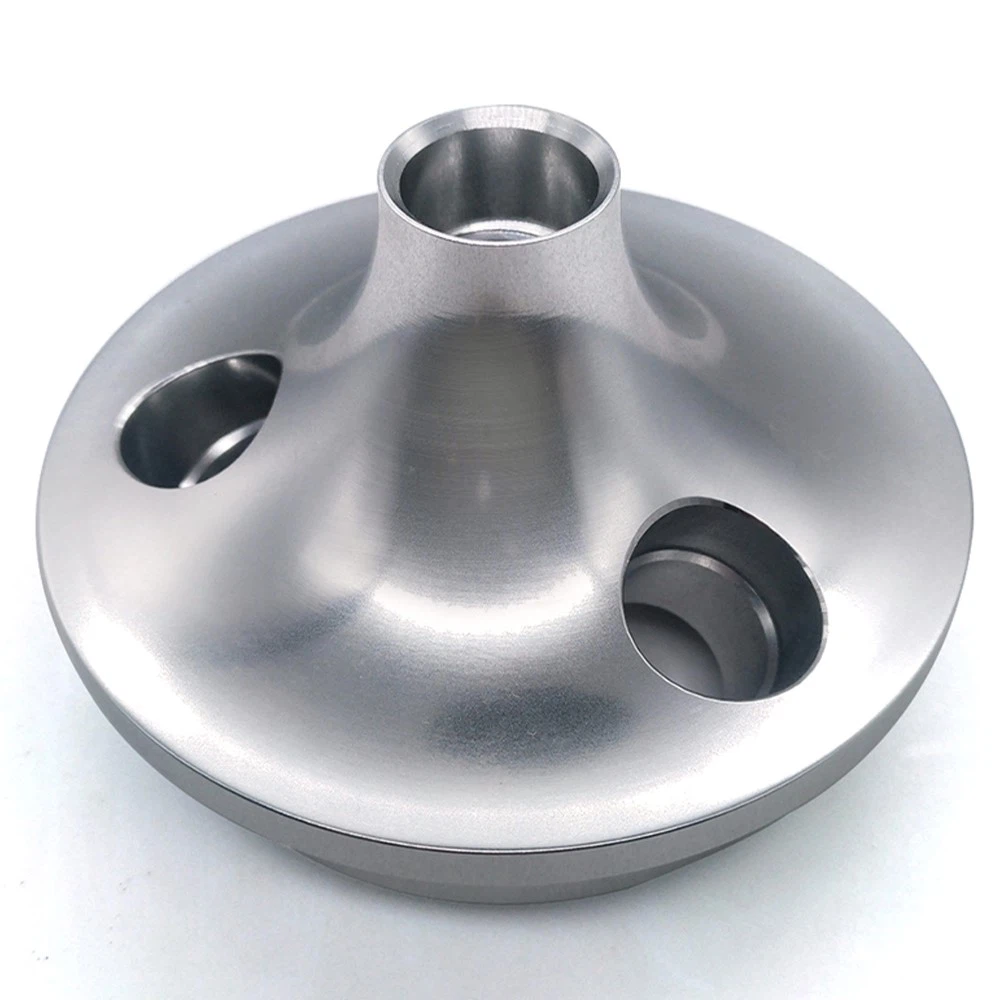
Stainless Steel/Steel/Titanium Alloy



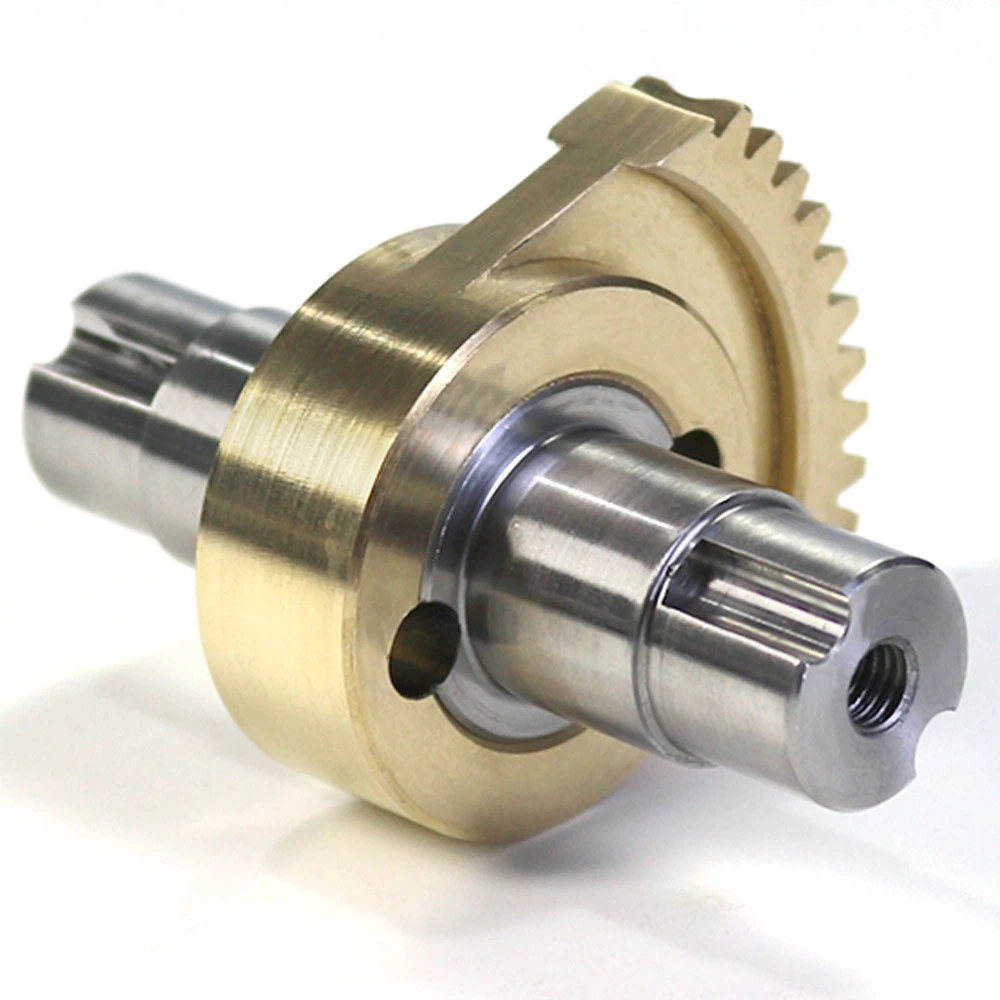
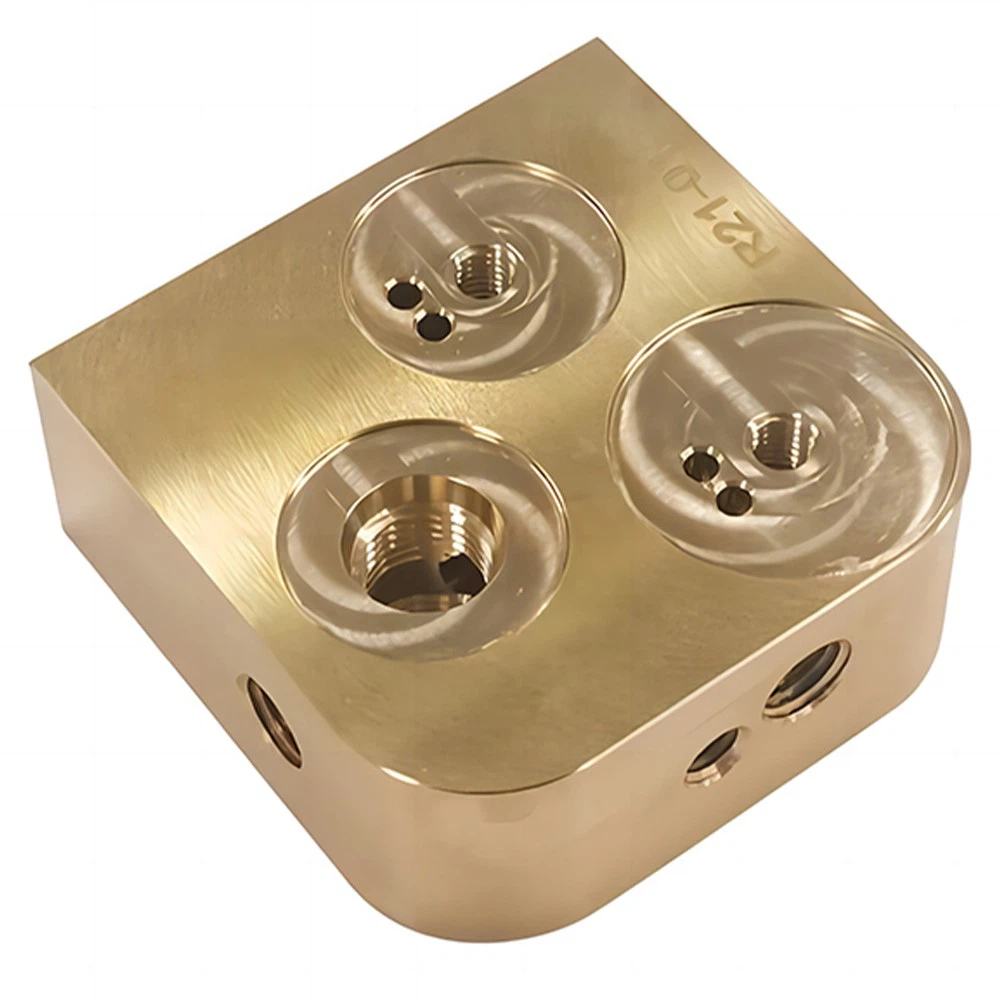
Brass/Copper



Plastic



our Services


Certified


