

1. CAD/CAM Integration: The journey to precision begins long before the first tool touches the raw material. Computer-Aided Design (CAD) software enables engineers to create detailed 3D models of components, specifying exact dimensions, tolerances, and surface finishes. These digital blueprints are then translated into machine-readable instructions using Computer-Aided Manufacturing (CAM) software, ensuring seamless communication between design intent and machining execution.
2. Toolpath Optimization: Once the CAM software generates toolpaths based on the CAD model, CNC machines execute precise movements to remove material and shape the workpiece. Advanced toolpath optimization algorithms analyze factors such as cutting forces, tool engagement, and material properties to minimize vibrations, tool wear, and surface roughness. By optimizing toolpaths, CNC machining achieves smoother surface finishes and tighter dimensional tolerances.
3. Real-Time Monitoring: In the dynamic environment of machining, real-time monitoring is essential for detecting and mitigating part errors as they occur. Sensors embedded within CNC machines measure parameters such as cutting forces, temperature, and tool wear, providing operators with valuable insights into process stability and tool performance. By continuously monitoring machining conditions, CNC systems can promptly identify deviations from desired parameters and take corrective action to maintain part quality.
4. Adaptive Control Systems: Traditional CNC machining operates based on predefined parameters, often leading to suboptimal performance in the face of varying conditions. Adaptive control systems leverage Artificial Intelligence (AI) and machine learning algorithms to dynamically adjust machining parameters in real-time. By learning from past machining experiences and analyzing sensor data, these systems optimize feed rates, spindle speeds, and tool paths to adapt to changing material properties and environmental factors, minimizing part errors and maximizing efficiency.
5. Post-Processing Inspection: Despite the meticulous control exerted during machining, post-processing inspection remains a critical step in ensuring part quality. Coordinate Measuring Machines (CMMs), optical scanners, and other metrology tools precisely measure finished components against the original CAD model, identifying any deviations and verifying dimensional accuracy. This feedback loop enables manufacturers to continuously refine machining processes and improve overall quality control.
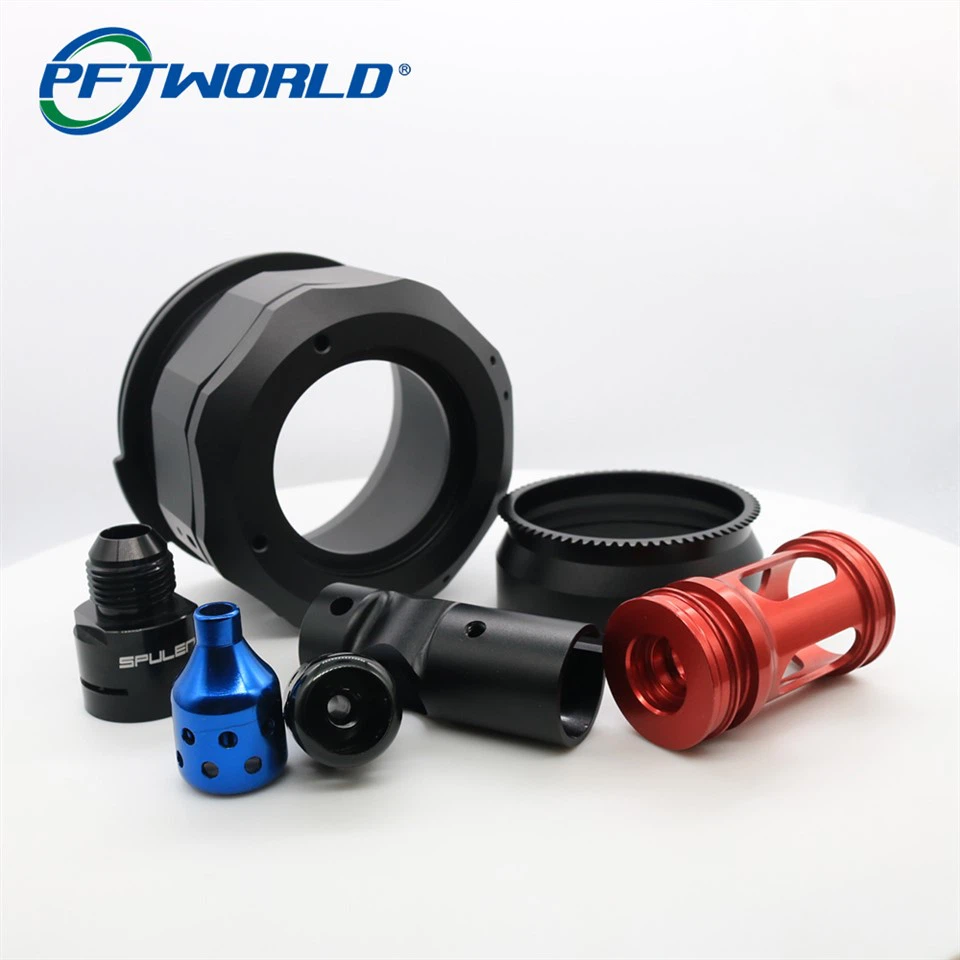
In conclusion, CNC machining stands as a testament to the pursuit of precision in manufacturing. Through a combination of CAD/CAM integration, toolpath optimization, real-time monitoring, adaptive control systems, and post-processing inspection, CNC machining meticulously controls part errors, delivering components that meet the most demanding specifications.