

Precision parts processing is an intricate dance of technology, skill, and materials. The choice of materials plays a pivotal role in determining the success of this delicate choreography. In this exploration, we dive into the world of material requirements for precision parts processing, understanding how the right selection can elevate the quality, durability, and functionality of the final product.
1. Precision and Material Compatibility:
Precision machining demands materials that can withstand the rigors of meticulous shaping and detailing. Metals like aluminum, steel, and titanium are favored for their inherent strength and machinability. The material's ability to hold tight tolerances and maintain structural integrity during the machining process is paramount.
2. Alloy Selection:
Alloys, the marriage of different metals, often provide a sweet spot for precision parts. They can be tailored to exhibit specific characteristics such as increased strength, corrosion resistance, or heat resistance. Common alloys like 6061 and 7075 aluminum or 316 stainless steel are frequently chosen for their balanced properties.

3. Machinability and Formability:
The machinability of a material is a critical factor in precision parts processing. A material that can be precisely shaped without excessive tool wear or damage is essential. Simultaneously, formability is crucial for intricate designs, ensuring that the material can be manipulated into the desired shape without compromising its structural integrity.
4. Thermal Stability:
Precision machining often involves processes that generate heat. The selected material must exhibit thermal stability to prevent deformation or undesirable changes in properties. This is particularly crucial in industries like aerospace and automotive, where parts may be subjected to extreme temperatures.

5. Surface Finish Considerations:
The material's response to finishing processes is another key consideration. Some materials may better withstand polishing, anodizing, or coating processes, contributing to the aesthetics and functionality of the final precision part. For applications where a sleek, corrosion-resistant finish is vital, materials like aluminum are often preferred.
6. Environmental Factors:
The environment in which the precision parts will operate is a crucial determinant in material selection. Materials must be chosen not only for their intrinsic properties but also for how well they resist corrosion, wear, or degradation in specific environments. For instance, medical instruments may require materials with high biocompatibility.
7. Weight Considerations:
In industries such as aerospace and automotive, where weight is a critical factor, material density becomes a prime consideration. Lightweight materials like certain aluminum alloys are favored without compromising strength, contributing to fuel efficiency and overall performance.
8. Cost-Efficiency:
While precision is non-negotiable, cost considerations also come into play. Balancing precision with cost-efficiency requires a thoughtful approach to material selection. It involves choosing materials that meet the required specifications without unnecessary expenses.
About Our More Services.
Processing Material

Aluminum


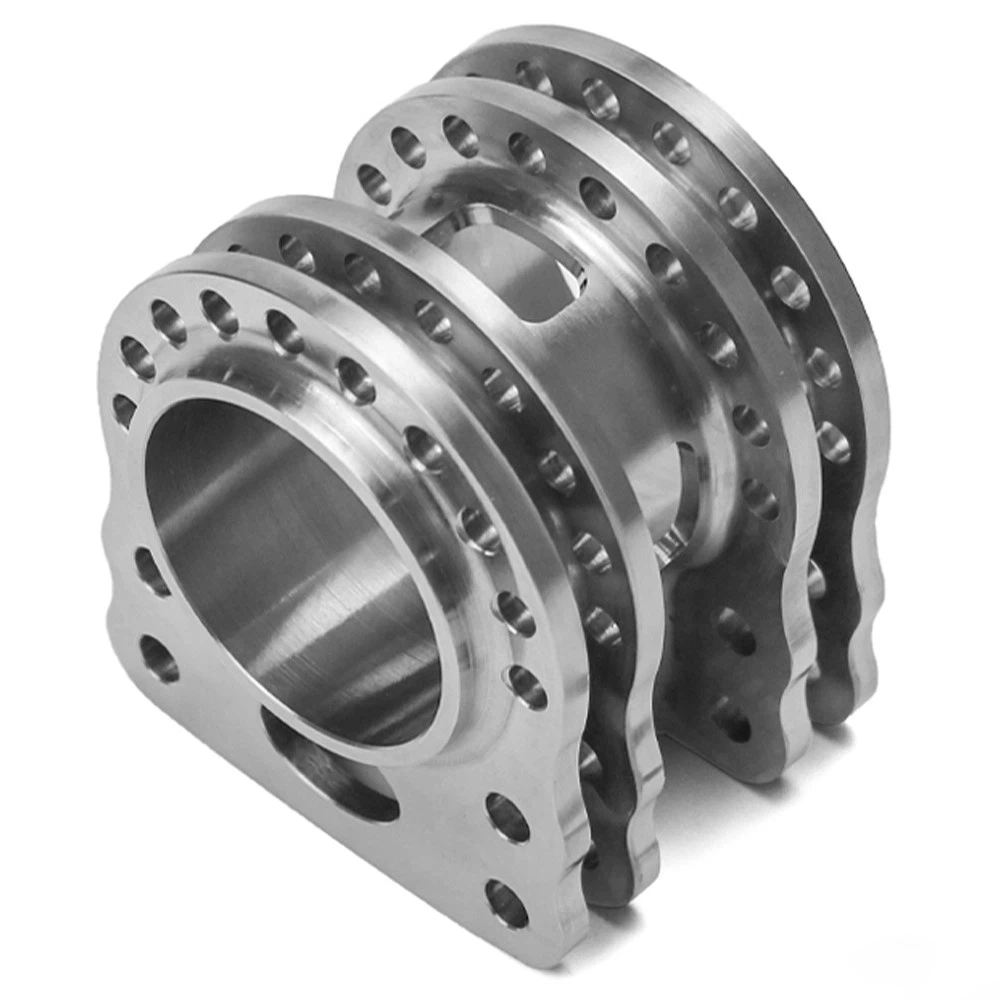
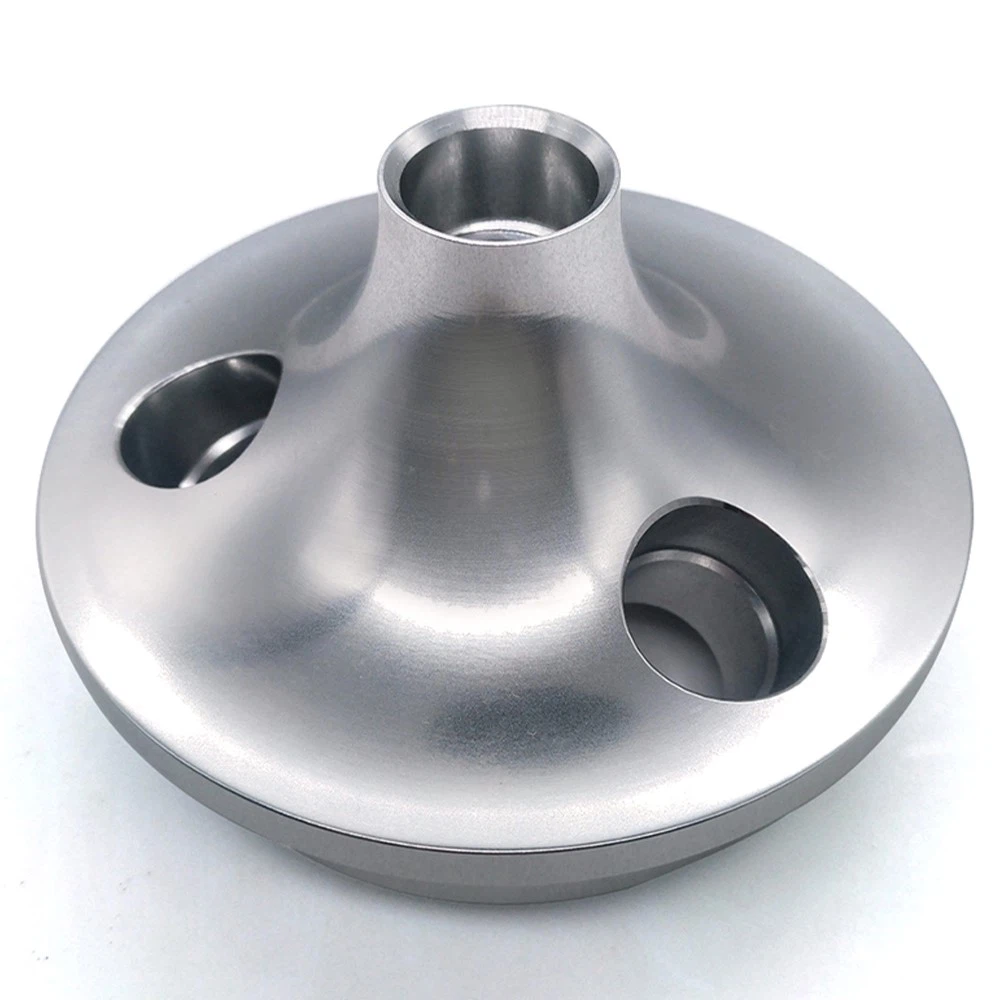
Stainless Steel/Steel/Titanium Alloy



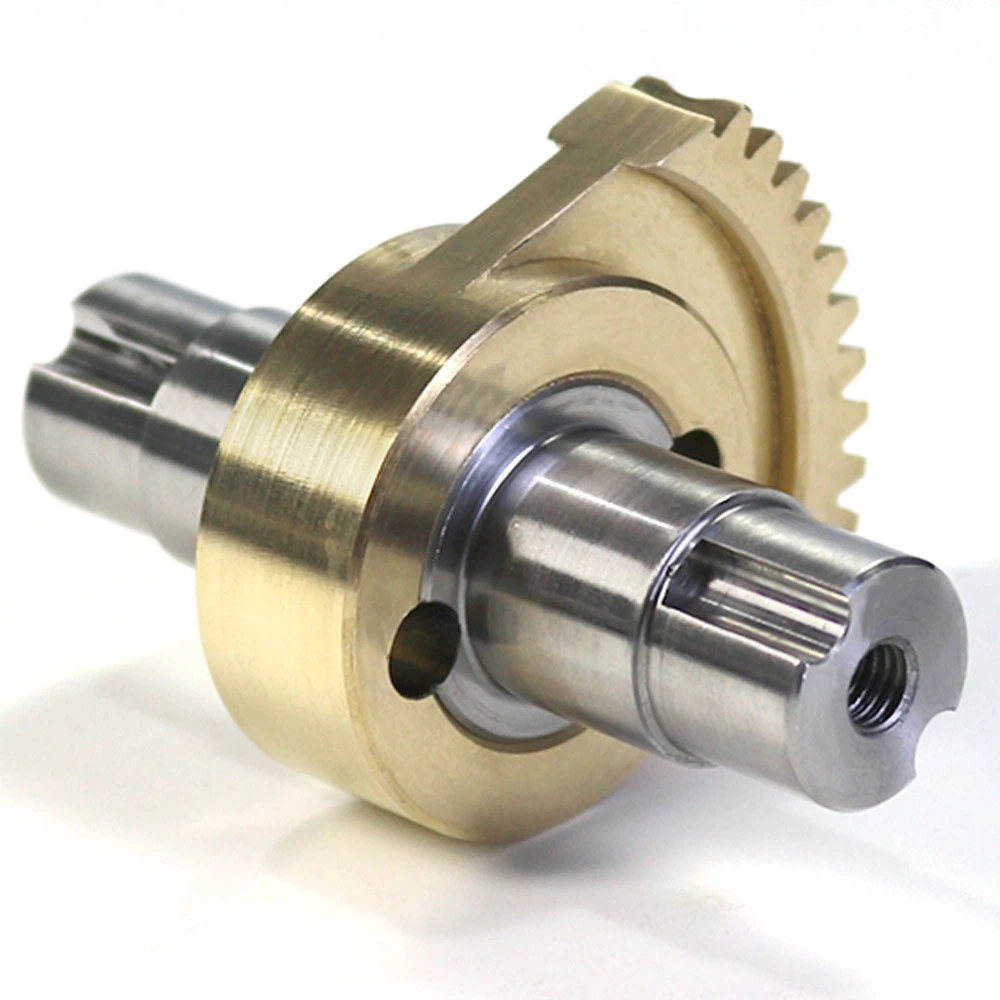
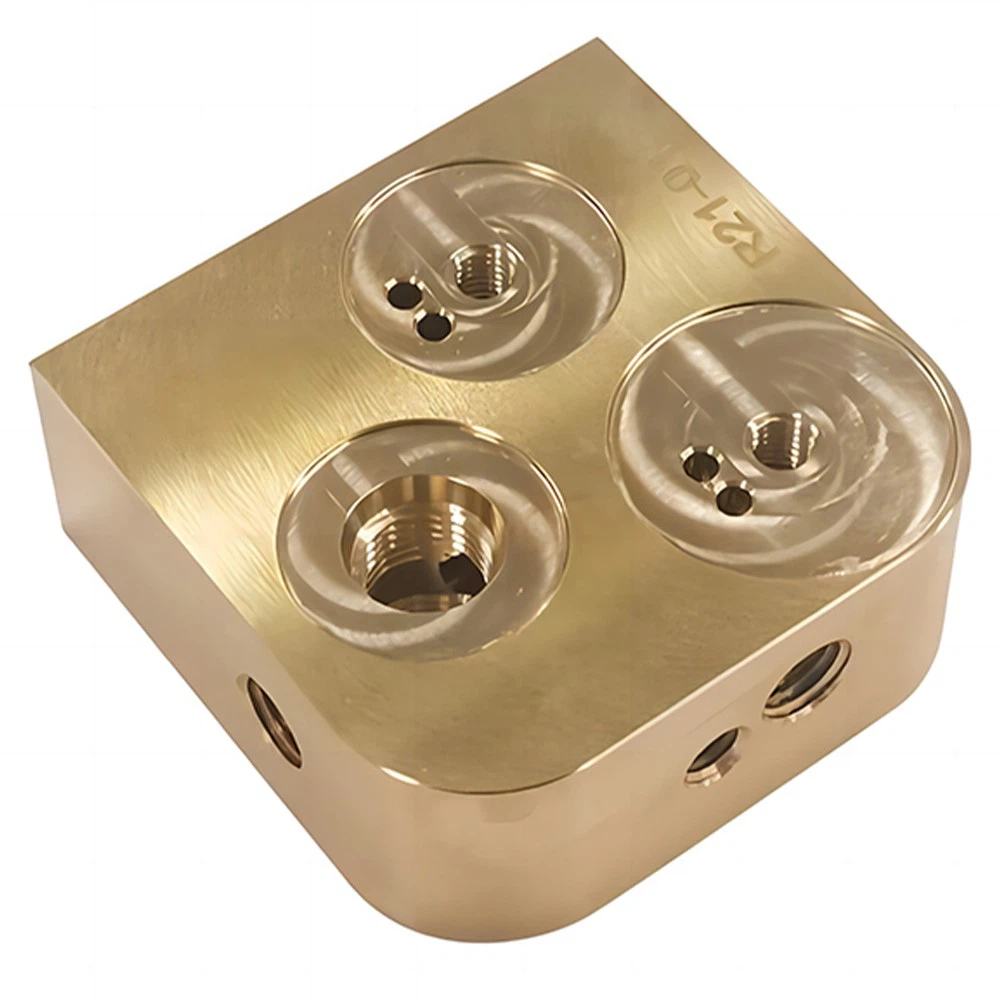
Brass/Copper



Plastic



our Services


Certified


