

In the intricate realm of CNC machining, the artistry lies not only in the creation of complex components but in the finesse with which intricate features like cylindrical grooves and end face grooves are machined. These features, crucial in various industries from aerospace to medical devices, demand a nuanced understanding of CNC machining processes. In this article, we unravel the intricacies of machining cylindrical grooves and end face grooves, shedding light on the techniques that propel manufacturing precision to new heights.
Understanding Cylindrical Groove Machining:
1. Tool Selection and Path Planning:
Cylindrical grooves, often found in shafts and rotational components, necessitate careful tool selection. End mills or specialized grooving tools are common choices. CNC programmers meticulously plan toolpaths to ensure precise cuts, avoiding collisions and minimizing tool changes.
2. Feeds and Speeds Optimization:
Achieving optimal feeds and speeds is paramount in cylindrical groove machining. CNC programmers fine-tune these parameters based on the material being machined, tool specifications, and the desired surface finish. Balancing efficiency with tool longevity is a delicate but crucial consideration.
3. Coolant and Chip Management:
The efficient evacuation of chips and temperature control are critical. Coolant systems are strategically employed to dissipate heat generated during machining. Effective chip management prevents chip recutting, preserving tool integrity and surface finish.

End Face Groove Machining:
1. Tool Orientation and Fixture Design:
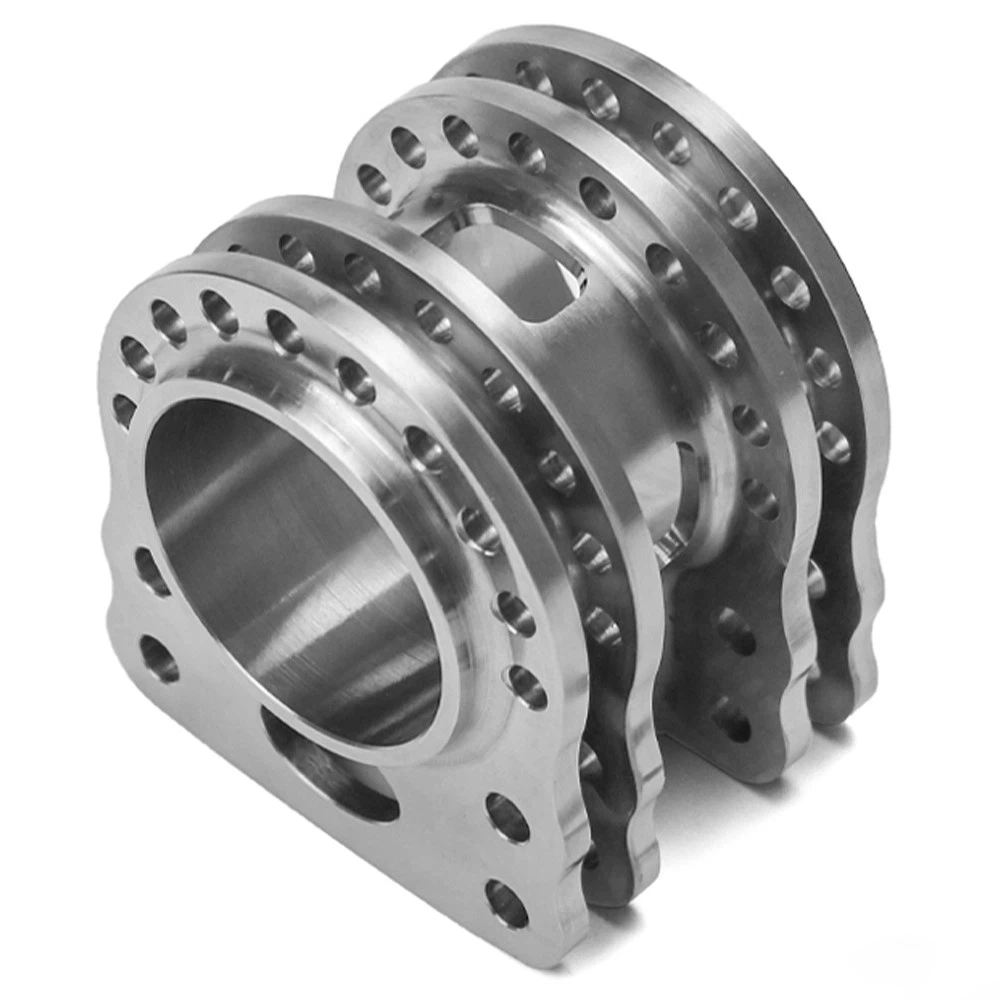
End face grooves, commonly found in flanges and connectors, demand precise tool orientation. CNC machines with multi-axis capabilities enable intricate cuts. Fixture design is crucial, ensuring stability and accessibility for the cutting tool.
2. Contouring Techniques:
CNC machining achieves end face grooves through contouring techniques. The tool follows a programmed path, contouring the end face with precision. High-speed machining and adaptive toolpaths optimize efficiency without compromising accuracy.
3. Tolerances and Surface Finish:
Meeting tight tolerances is inherent in end face groove machining. CNC programmers meticulously define tolerances based on design specifications. Achieving superior surface finishes is equally vital, often requiring post-machining processes or advanced tool coatings.
Challenges and Solutions:
1. Tool Wear and Breakage:
The inherent nature of machining, especially in grooving applications, poses challenges such as tool wear and breakage. Regular tool inspection, proper toolpath strategies, and advanced tool coatings mitigate these challenges.
2. Material Considerations:
Different materials pose distinct challenges. Harder materials may demand specialized tools and cutting strategies. CNC programmers must be well-versed in material behaviors to optimize machining parameters.
3. Vibrations and Chatter:
Vibrations and chatter can compromise surface finish and dimensional accuracy. CNC machining centers equipped with vibration-damping features, and strategies like toolpath optimization, address these concerns.
Advancements in CNC Technology:
The evolution of CNC technology continues to redefine the landscape of cylindrical groove and end face groove machining. From adaptive control systems that adjust machining parameters in real-time to the integration of artificial intelligence for predictive maintenance, CNC machining is at the forefront of innovation.
About Our More Services.
Processing Material

Aluminum


Stainless Steel/Steel/Titanium Alloy



Brass/Copper



Plastic



our Services


Certified


