

In the dynamic realm of manufacturing, the Machining of CNC Parts has become synonymous with precision, efficiency, and technological prowess. This process, which involves the use of Computer Numerical Control (CNC) machines, has revolutionized the production of components across industries. In this article, we unravel the intricacies of CNC part machining, exploring its techniques, applications, and the transformative impact it has on modern manufacturing.
Understanding CNC Machining: The Core Principles
CNC machining is a subtractive manufacturing process that utilizes computerized controls to precisely remove material from a workpiece. This process is guided by a digital design, allowing for intricate and complex shapes to be achieved with unparalleled accuracy. The CNC machine interprets the design specifications and executes precise movements to shape raw materials into the desired components.

Key Techniques in CNC Part Machining:
1. Milling:
Milling is a fundamental CNC machining technique where a rotating cutter removes material from the surface of a workpiece. It is widely used for creating flat surfaces, contours, and intricate features.
2. Turning:
Turning involves the rotation of a workpiece while a cutting tool removes material. This technique is commonly used for cylindrical shapes, such as shafts and spindles.
3. Drilling:
Drilling is employed to create holes in a workpiece. CNC machines can precisely control the depth, diameter, and position of drilled holes.
4. Grinding:
Precision grinding is utilized for achieving extremely tight tolerances and fine surface finishes. It is crucial for parts that require exceptional smoothness and accuracy.
5. Electrical Discharge Machining (EDM):
EDM is a non-traditional CNC machining method that uses electrical discharges to erode material. It is particularly effective for complex shapes and hardened materials.
Applications Across Industries: From Aerospace to Healthcare
The versatility of CNC part machining extends across a diverse array of industries, each benefiting from the precision and efficiency it offers.
1. Aerospace:
In aerospace, where precision is paramount, CNC machining is used to produce intricate components for aircraft and spacecraft. From engine parts to structural elements, CNC machining ensures the highest standards of quality.
2. Automotive:
The automotive industry relies on CNC machining for the production of engine components, transmission parts, and intricate elements of modern vehicles. The precision and repeatability of CNC machining are instrumental in maintaining the reliability of automotive systems.
3. Healthcare:
In the healthcare sector, CNC machining is employed to craft medical devices, implants, and prosthetics. The ability to work with a variety of materials, including biocompatible alloys, makes CNC machining indispensable in the medical field.
4. Electronics:
The electronics industry benefits from CNC machining in the production of precise components for devices such as smartphones, computers, and electronic circuits. The miniaturization and intricate detailing achievable with CNC machining are critical in this sector.
Advancements Driving CNC Part Machining:
1. High-Speed Machining:
Advancements in CNC technology have led to high-speed machining, enabling faster production without compromising precision. This is particularly crucial for industries with stringent production timelines.
2. Multi-Axis Machining:
Multi-axis CNC machines offer enhanced flexibility by allowing simultaneous movement along multiple axes. This capability is invaluable for creating complex geometries and reducing the need for multiple setups.
3. Automation and Robotics:
The integration of automation and robotics in CNC machining has streamlined production processes. Automated tool changes, part loading, and quality inspections contribute to increased efficiency and reduced human error.
Challenges and Future Trends: Navigating Complexity
While CNC part machining has transformed manufacturing, it is not without challenges. The complexity of some designs, material limitations, and the need for skilled operators are areas that continue to evolve. However, ongoing advancements, including artificial intelligence integration and the rise of smart factories, are poised to address these challenges and open new frontiers in CNC machining.
About Our More Services.
Processing Material

Aluminum


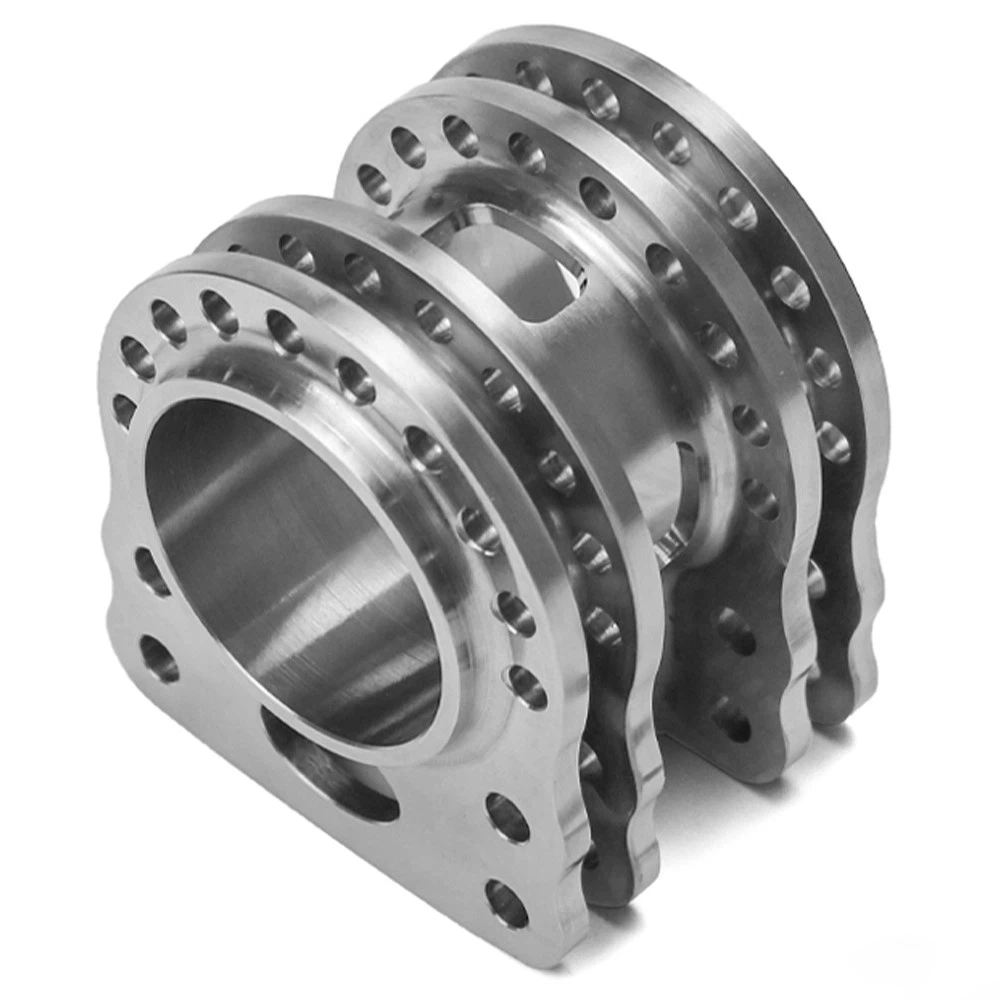
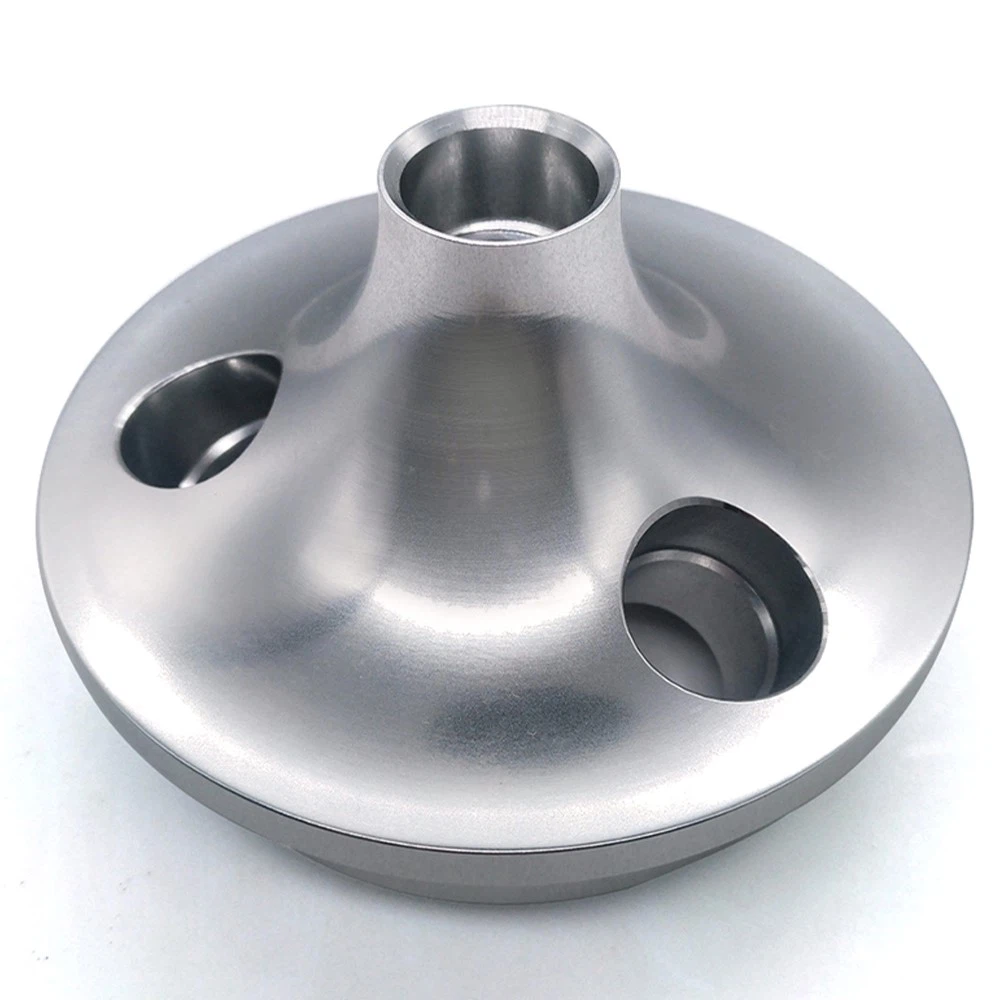
Stainless Steel/Steel/Titanium Alloy



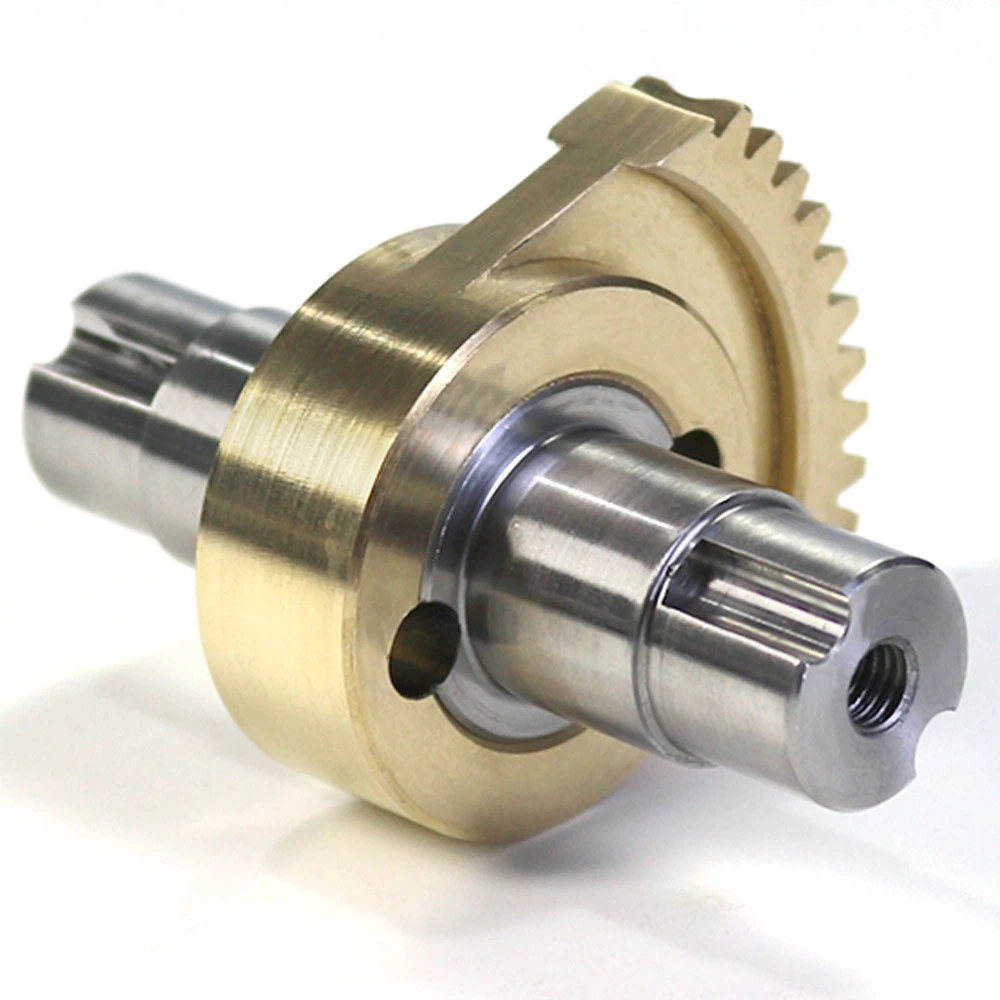
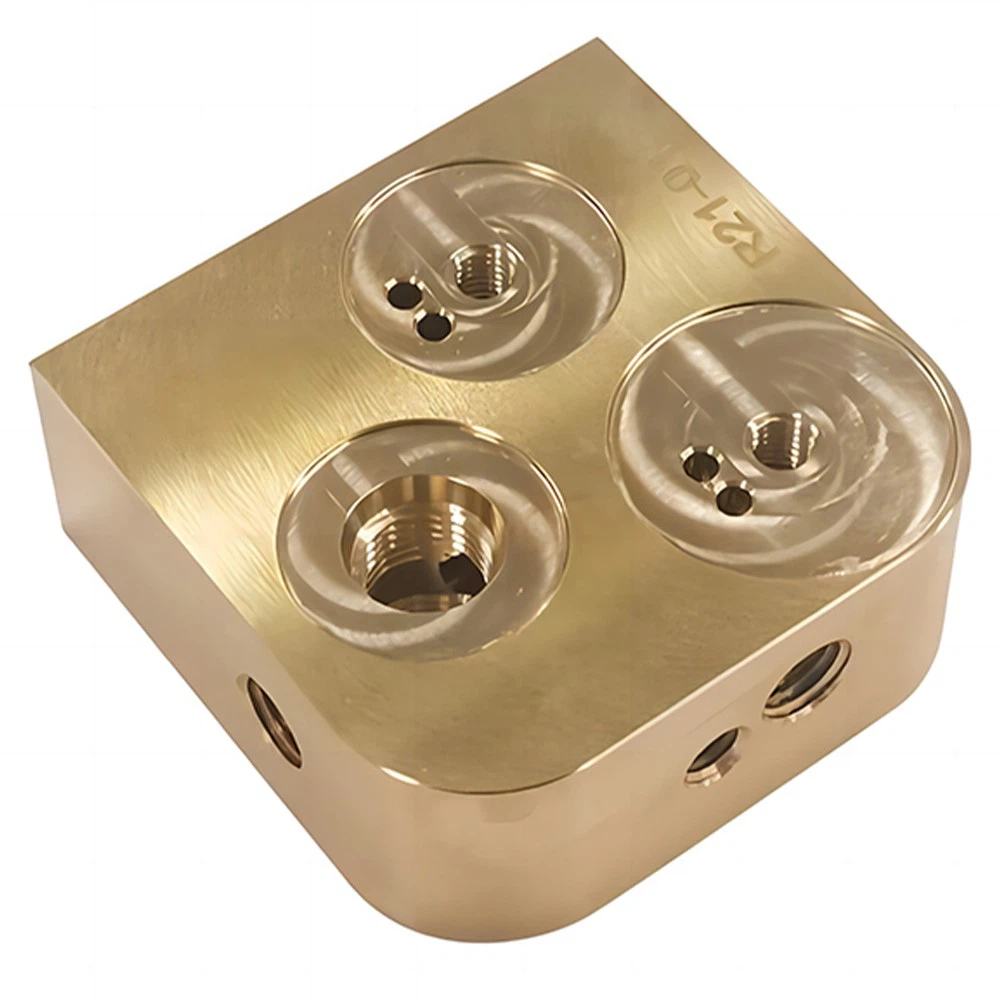
Brass/Copper



Plastic



our Services


Certified


