

Sheet metal processing is a comprehensive metal processing technology that occupies an important position in modern industrial production.
From a process perspective, sheet metal processing covers multiple key stages. The first is cutting, including laser cutting, plasma cutting and other advanced technologies. Laser cutting has high precision, high speed, and good cutting quality, which can easily meet the cutting needs of various complex shapes of sheet metal. Plasma cutting is suitable for cutting thick plates with high efficiency. Next is bending, which involves using a bending machine to bend the sheet into the desired angle and shape, requiring precise molds and skilled operating techniques. Welding is also an important part, such as argon arc welding, gas shielded welding, etc., used to connect different sheet metal components together to ensure the stability of the structure.
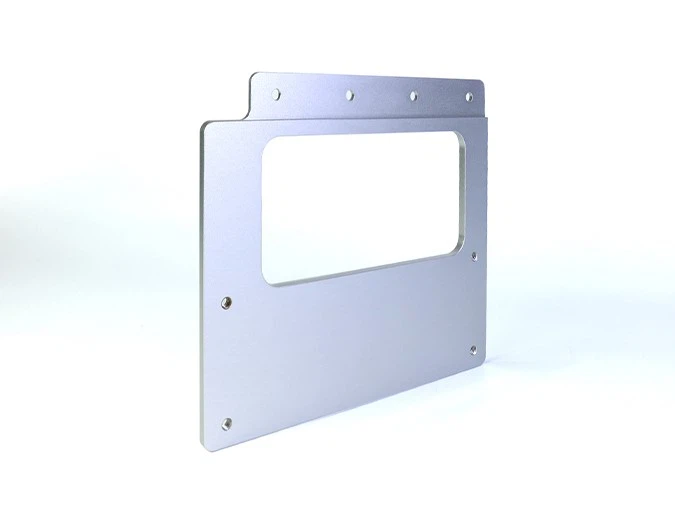
In terms of materials, commonly used materials for sheet metal processing include stainless steel, aluminum, cold-rolled sheet, etc. Different materials have different characteristics and are suitable for different product requirements. For example, stainless steel has good corrosion resistance and is commonly used in the production of medical equipment, kitchen equipment, etc; Aluminum material is lightweight and has high strength, widely used in fields such as aerospace and electronic equipment.
Technological innovation is a key factor driving the development of the sheet metal processing industry. With the continuous advancement of digital technology, CNC sheet metal processing equipment is becoming increasingly popular. These devices achieve automated processing through computer programming, which not only improves production efficiency, but also greatly enhances the consistency of processing accuracy and product quality. At the same time, the concept of intelligent manufacturing is gradually permeating the sheet metal processing industry, achieving intelligent monitoring and management of the production process through technologies such as big data analysis and the Internet of Things, optimizing the production process, and reducing costs.
In addition, the sheet metal processing industry also pays attention to surface treatment processes. Common surface treatment methods include spray painting, spray coating, electroplating, etc., which can not only beautify the appearance of the product, but also improve its corrosion resistance and wear resistance.
In terms of design, the design of sheet metal products needs to consider multiple factors such as structural strength, assembly convenience, and cost control. Excellent sheet metal design can minimize production costs and improve production efficiency while meeting product functional requirements.
In short, the sheet metal processing industry is a field that integrates multiple processes, materials, and technologies, and continuous innovation and development make it play an indispensable role in various industries. With the continuous advancement of technology, we believe that the sheet metal processing industry will usher in a broader development prospect.