

In the world of precision machining, lathe processing stands as a cornerstone, transforming raw materials into finely crafted components. However, the efficiency of this process can be hampered by a common challenge: the entanglement of iron chips. This issue not only affects the quality of the finished product but also poses safety risks. In this article, we explore the root causes of iron chip entanglement during lathe processing and present effective strategies to address and prevent this problem.
Understanding the Problem: Why Do Iron Chips Entangle?
Iron chip entanglement occurs when the chips generated during lathe processing become intertwined, forming a web-like structure. Several factors contribute to this issue:
Chip Formation Dynamics:
- The process of creating chips during lathe processing involves the continuous removal of material. If the chips are not effectively evacuated, they can accumulate and entangle.
Tool Geometry and Cutting Parameters:
- Improper tool geometry or cutting parameters can lead to the formation of long, stringy chips that are more prone to entanglement.
Coolant and Lubrication:
- Inadequate coolant or lubrication can cause chips to stick together rather than being efficiently flushed away, contributing to entanglement.
Material Characteristics:
- The properties of the material being machined, such as its ductility and hardness, can influence chip formation and entanglement.

Strategies to Solve Iron Chip Entanglement:
1. Optimize Tooling and Cutting Parameters:
- Ensure that the lathe tools are appropriately designed for the material being processed.
- Adjust cutting parameters such as speed, feed, and depth of cut to produce manageable chip sizes.
2. Implement Effective Chip Breaking Techniques:
- Integrate chip breaking features into the tool design to encourage the formation of shorter, more manageable chips.
3. Enhance Coolant and Lubrication Systems:
- Regularly check and maintain coolant and lubrication systems to ensure optimal performance.
- Use high-quality cutting fluids that facilitate efficient chip evacuation.
4. Install Chip Conveyors and Augers:
- Implement chip conveyors or augers to swiftly remove chips from the work area.
- Ensure these systems are properly configured to handle the volume and type of chips produced.
5. Periodic Machine Maintenance:
- Conduct regular maintenance checks on the lathe, focusing on areas prone to chip accumulation.
- Clean and inspect the chip evacuation pathways to prevent blockages.
6. Consider Alternate Chip Control Methods:
- Evaluate and implement alternative chip control methods, such as air or magnetic systems, depending on the nature of the workpiece and machining process.
Preventive Measures for Long-Term Solutions:
1. Operator Training:
- Provide comprehensive training to machine operators on the importance of chip control and the implementation of preventive measures.
2. Material Selection:
- Consider the properties of the material being processed during the design phase, opting for materials that produce manageable chips.
3. Continuous Monitoring:
- Integrate monitoring systems that can detect chip entanglement in real-time, triggering automatic shutdown or alerting operators.
4. Collaboration with Tooling Experts:
- Work closely with tooling manufacturers to select tools that are specifically designed to minimize chip entanglement.
About Our More Services.
Processing Material

Aluminum


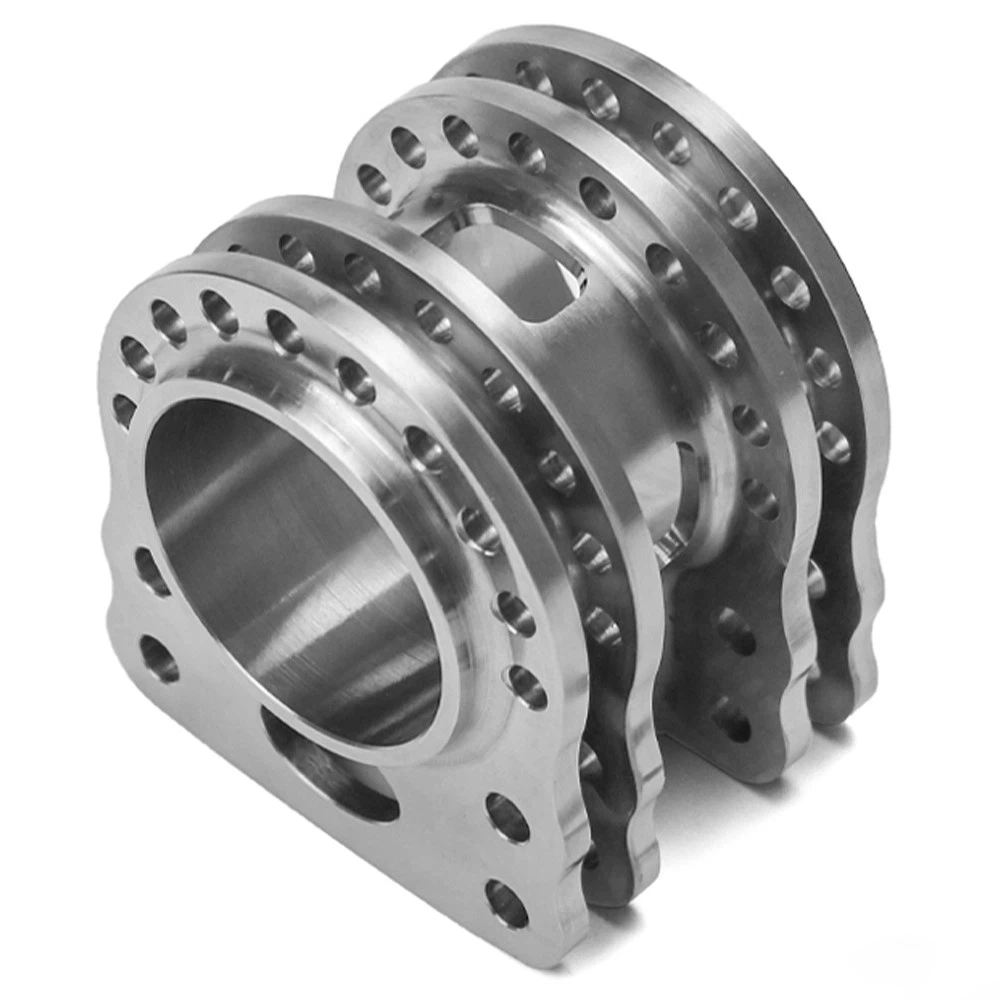
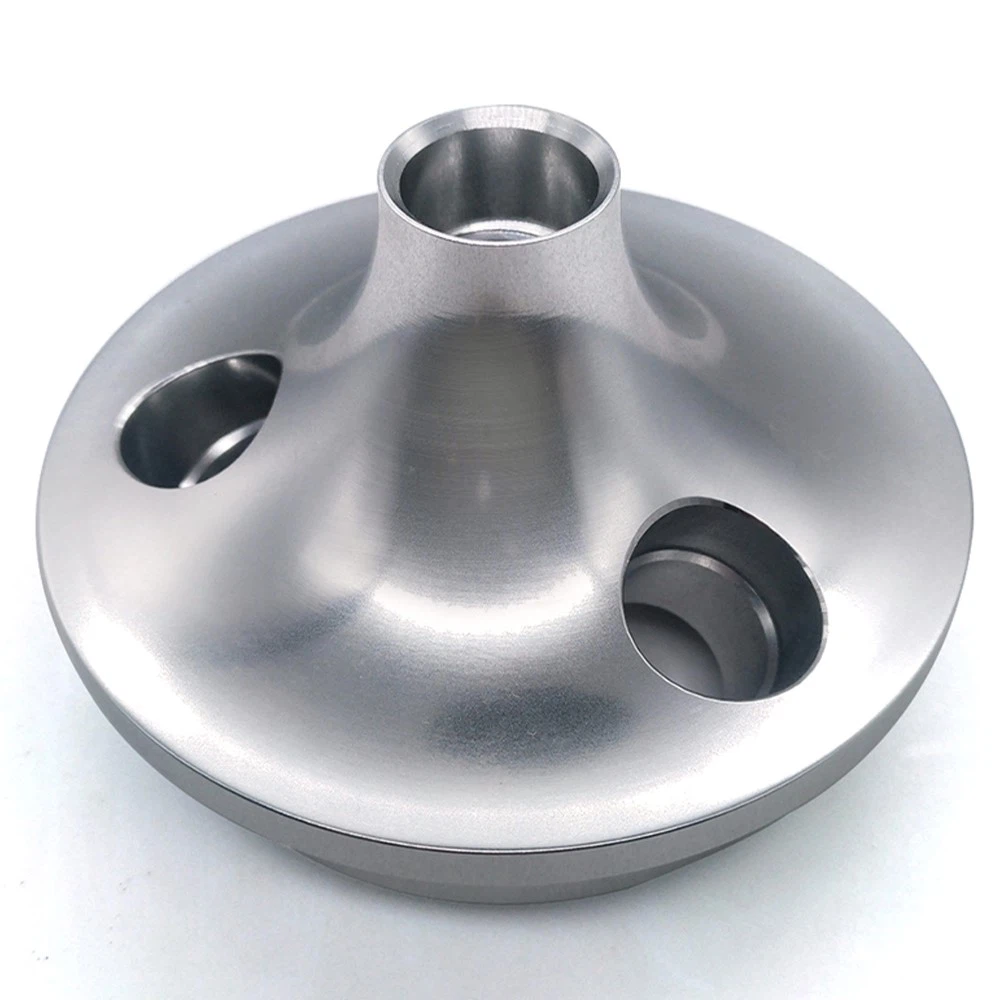
Stainless Steel/Steel/Titanium Alloy



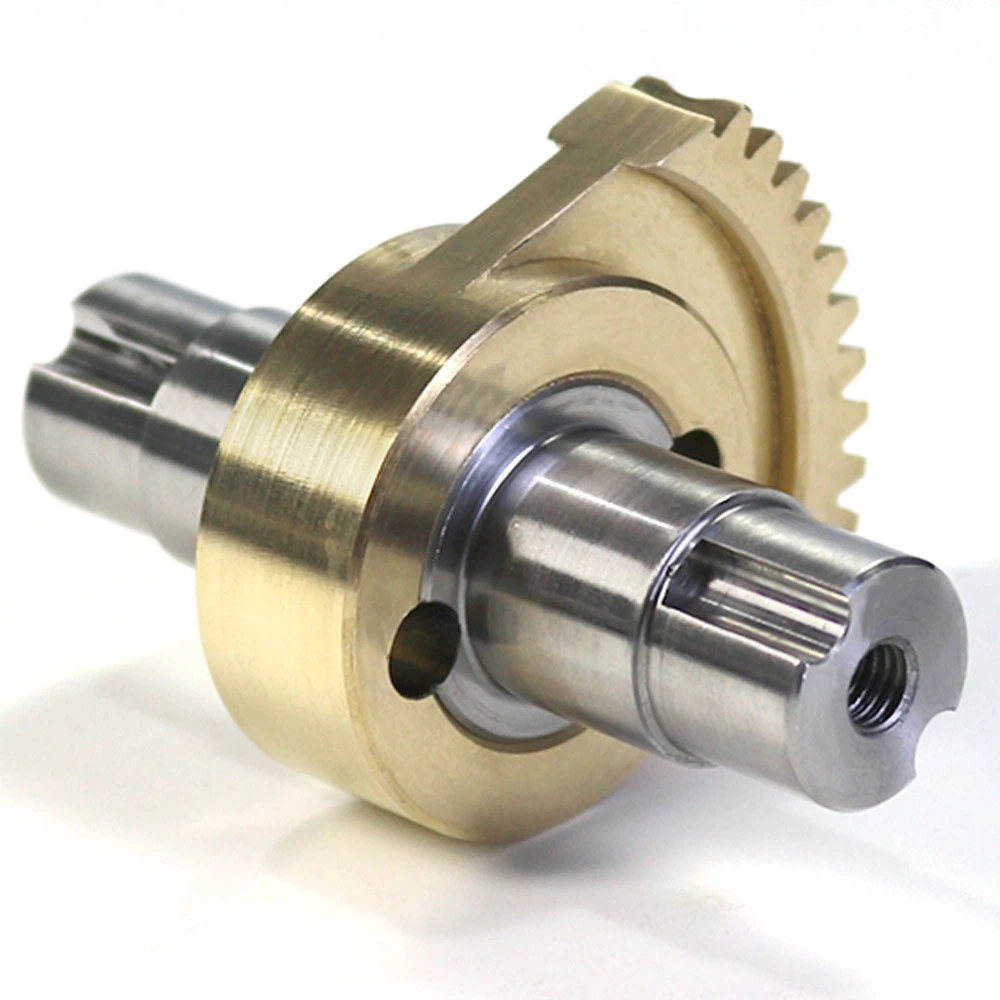
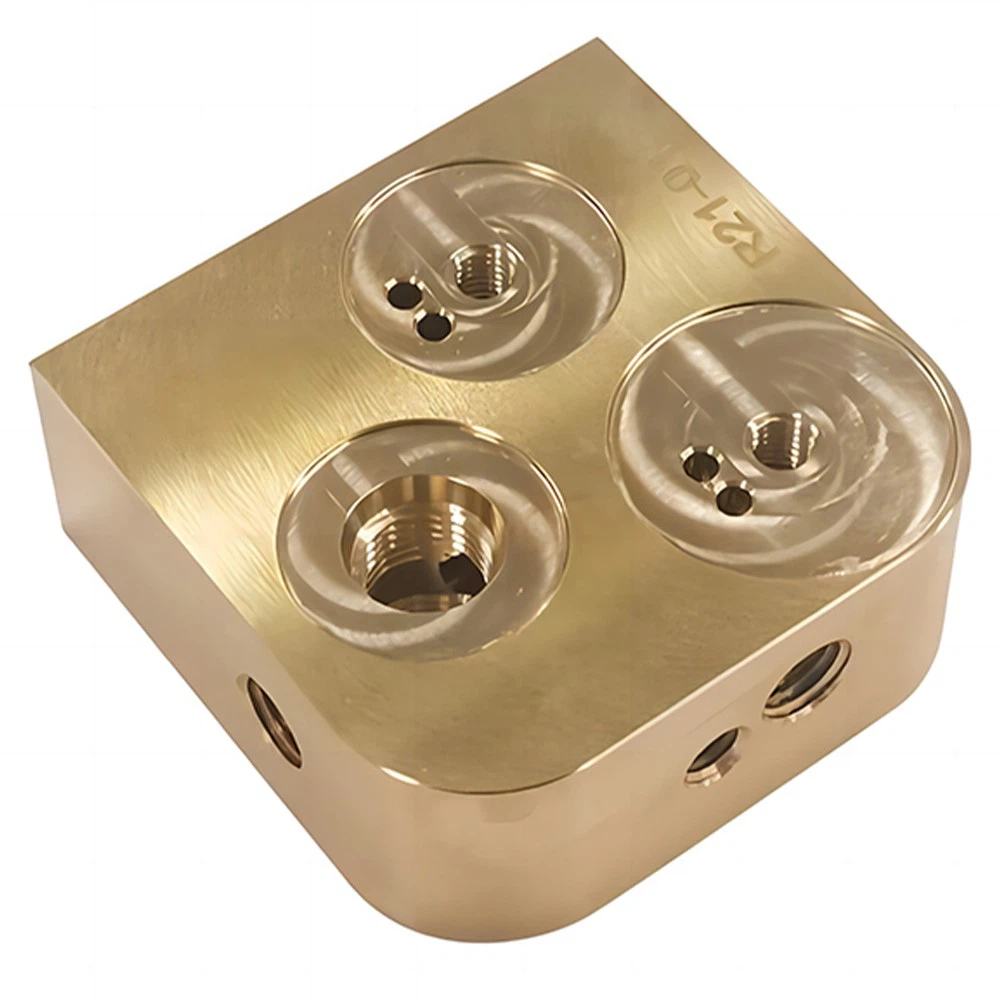
Brass/Copper



Plastic



our Services


Certified


