

Wear is an inevitable challenge in the world of CNC machining. As CNC manufacturers strive for precision and efficiency, they must also address the issue of wear on cutting tools, machine components, and workpieces. In this article, we will explore effective strategies to prevent wear in machining processes, ultimately enhancing tool life, maintaining part quality, and improving overall productivity.

Tool Selection and Material
The choice of cutting tools and tool materials plays a pivotal role in wear prevention. Consider the following factors:
Tool Coatings: Select cutting tools with appropriate coatings like TiN (Titanium Nitride), TiCN (Titanium Carbonitride), or TiAlN (Titanium Aluminum Nitride). These coatings reduce friction and enhance tool life.
Tool Material: Choose tool materials that are suited for the workpiece material. For example, carbide tools are ideal for machining hard materials, while high-speed steel (HSS) tools may suffice for softer materials.
Tool Geometry: Opt for tool geometries that minimize heat generation and chip evacuation, as excessive heat can accelerate wear.

Coolant and Lubrication
Proper coolant and lubrication management are essential for preventing wear:
Coolant Type: Select the right coolant for the material being machined. Water-soluble coolants are common but may not be suitable for all applications. Consider options like oils or synthetics when appropriate.
Coolant Flow and Pressure: Ensure the coolant flows adequately to cool the tool and workpiece. Proper pressure and flow rates prevent overheating and reduce friction.
Lubrication: Use appropriate lubricants to reduce friction and protect critical machine components, such as ways and bearings.
Processing Material

Aluminum


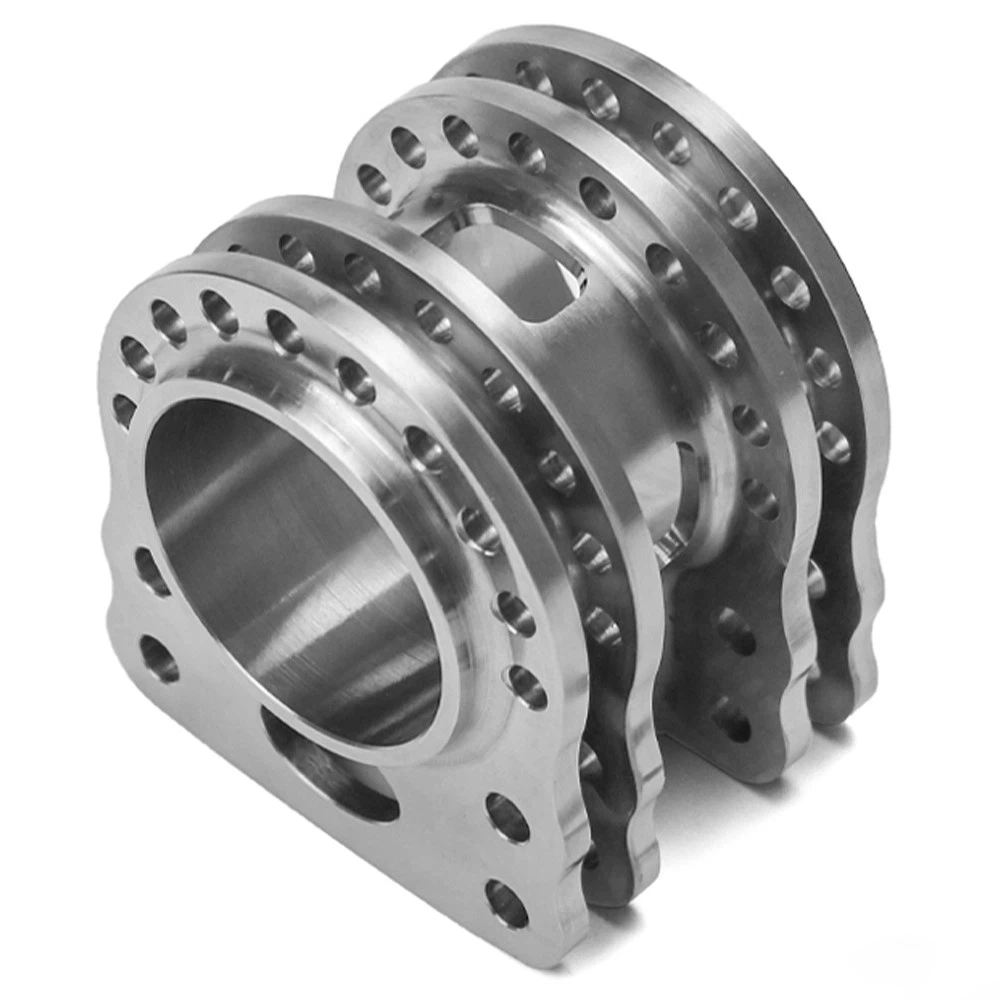
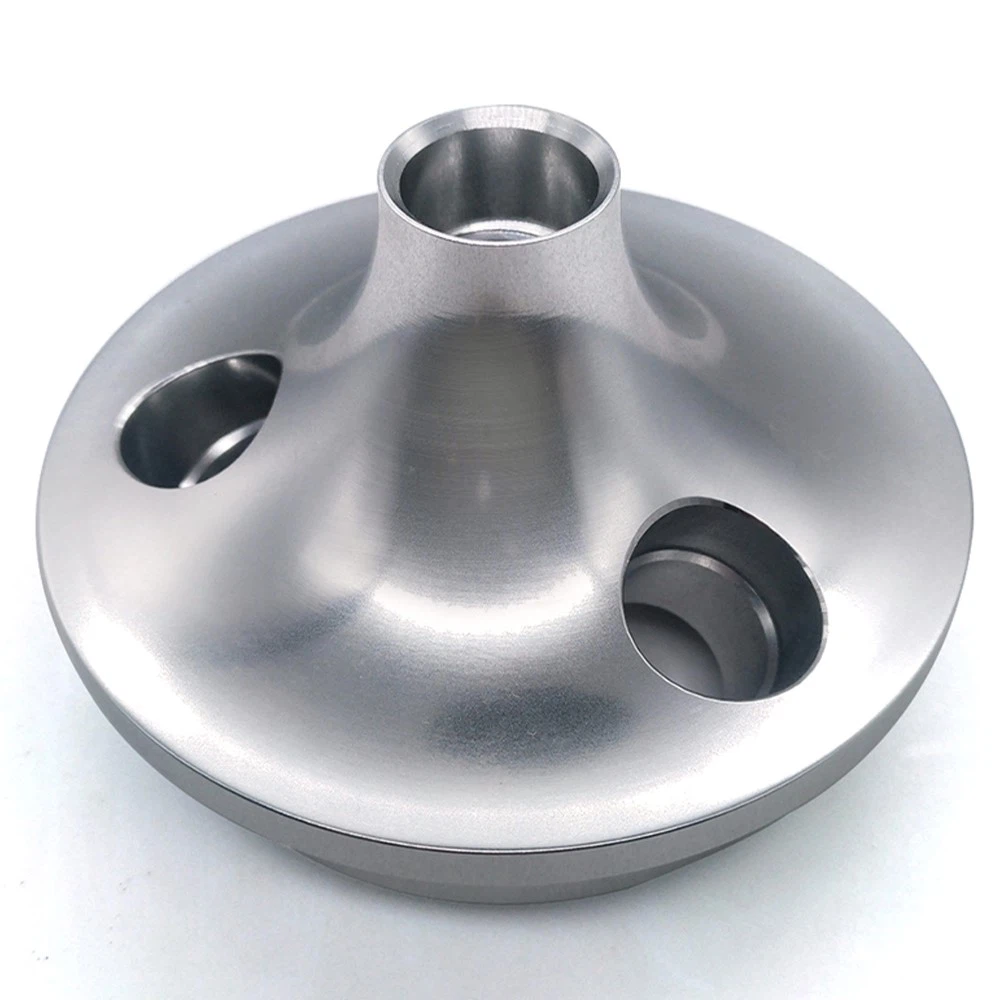
Stainless Steel/Steel/Titanium Alloy



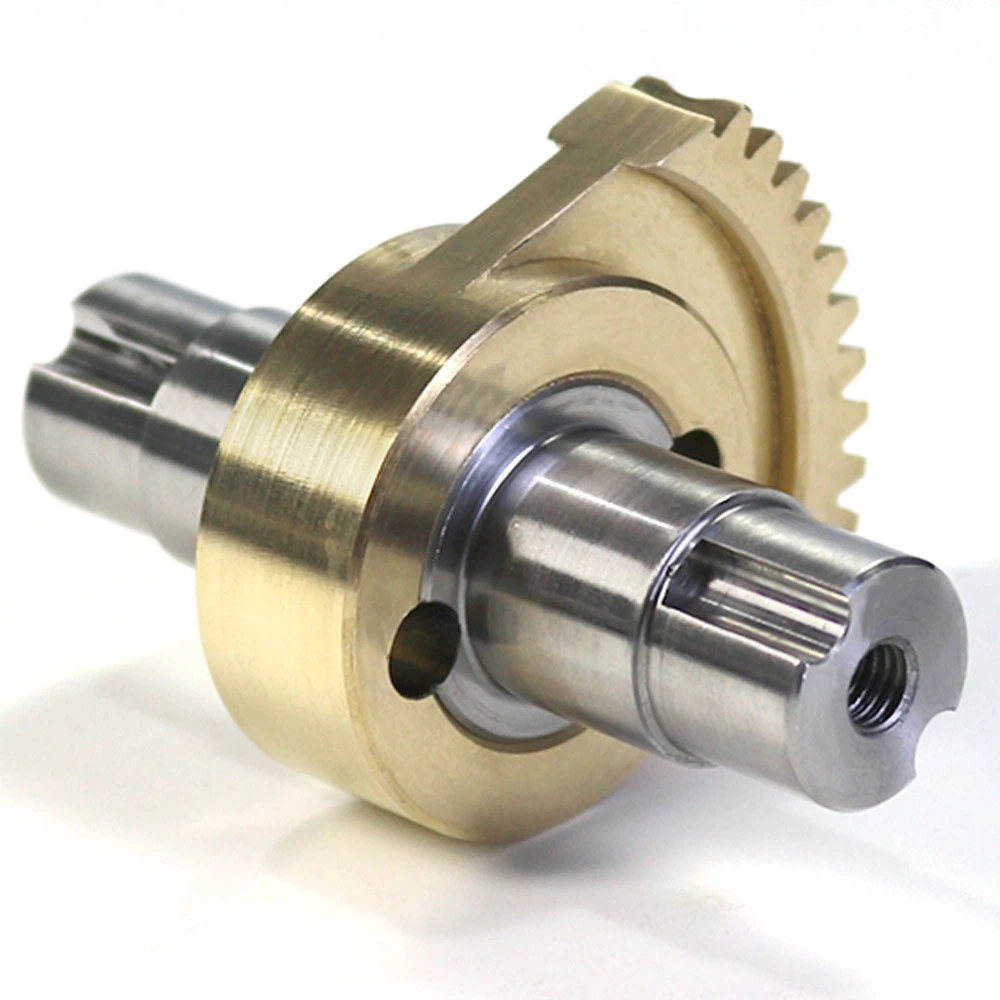
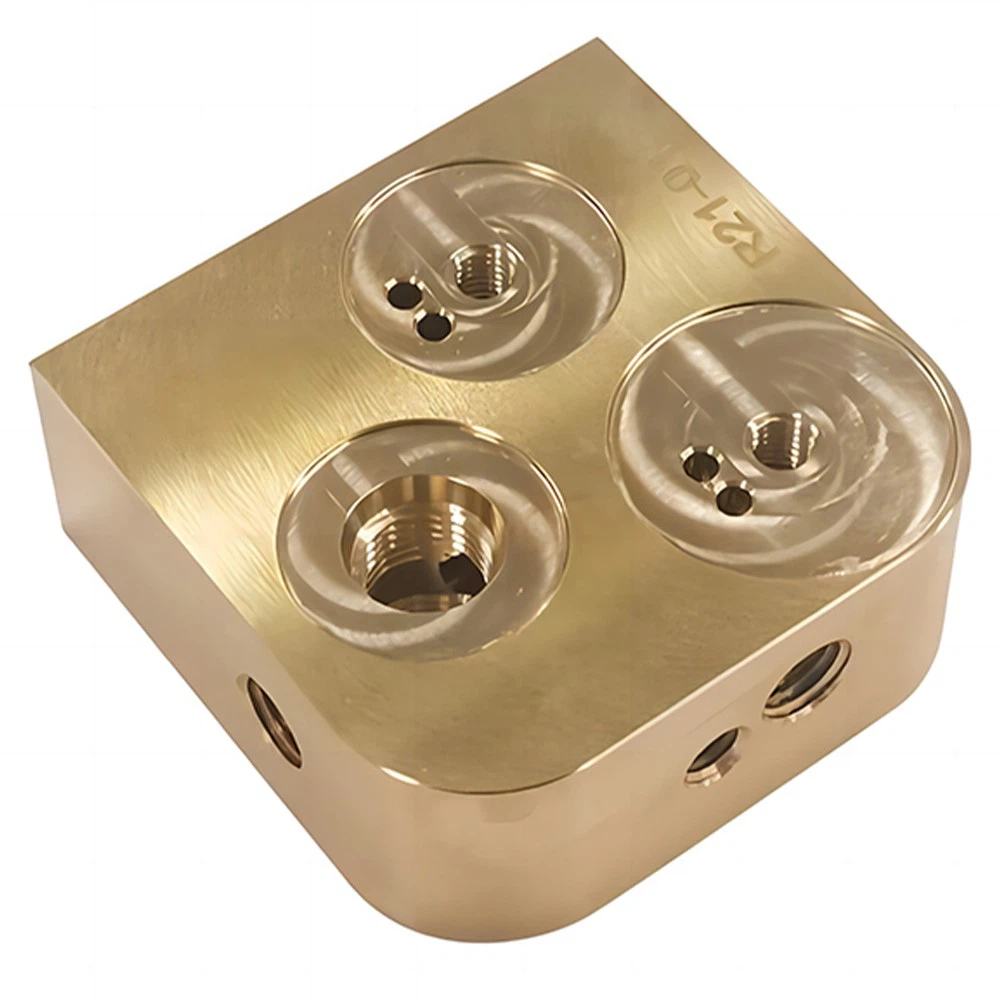
Brass/Copper



Plastic



our Services


Certified


