

Consistency and precision are the lifeblood of CNC manufacturing. To produce highly repeatable components, CNC manufacturers must make informed decisions about the manufacturing processes they employ. The choice of manufacturing process can significantly impact the quality, accuracy, and repeatability of the final product. In this article, we will explore essential considerations and strategies to help CNC manufacturers determine the most suitable manufacturing process for achieving highly repeatable results.

Understand the Part's Requirements
Before selecting a manufacturing process, it's crucial to thoroughly understand the specific requirements of the part you're machining.
Consider the following factors:
Tolerances: Determine the required dimensional tolerances and surface finish standards. Are tight tolerances critical for your application?
Material: Identify the type of material being used, as different materials may require different machining processes for optimal results.
Complexity: Assess the complexity of the part, including features, geometries, and internal structures.
Volume: Analyze the production volume, as it can influence the choice of process.

Evaluate CNC Machining Processes
CNC manufacturing encompasses various processes, each with its strengths and weaknesses. To achieve highly repeatable results, carefully select the most appropriate machining process:
Milling: Milling is suitable for creating complex shapes and contours. It offers versatility and high precision.
Turning: Turning is ideal for cylindrical parts and offers excellent concentricity and surface finish.
Drilling: CNC drilling machines are used for creating holes with precise depths and diameters. They provide high repeatability for hole-making applications.
Grinding: Grinding delivers exceptional precision and surface finish, making it suitable for applications with ultra-tight tolerances.
Machine and Tool Selection
The choice of CNC machine and tooling is crucial for achieving repeatable results:
Machine Rigidity: A rigid machine minimizes vibration and contributes to better precision. Consider the machine's build quality.
Tool Selection: Choose high-quality cutting tools that match the material and application. Dull or improper tools can lead to variations in machining.
Tool Maintenance: Regularly maintain and replace worn-out tooling to ensure consistent results.Achieve repeatability based on process and materials

Achieving highly repeatable results in CNC manufacturing hinges on informed decisions regarding the manufacturing process. By understanding the part's requirements, carefully evaluating CNC machining processes, selecting the right machines and tooling, optimizing processes and programming, implementing robust quality control measures, standardizing procedures, and fostering a culture of continuous improvement, CNC manufacturers can consistently deliver precision-engineered components that meet or exceed customer expectations. The choice of manufacturing process should align with the product's complexity, tolerances, materials, and production volume.
Processing Material

Aluminum


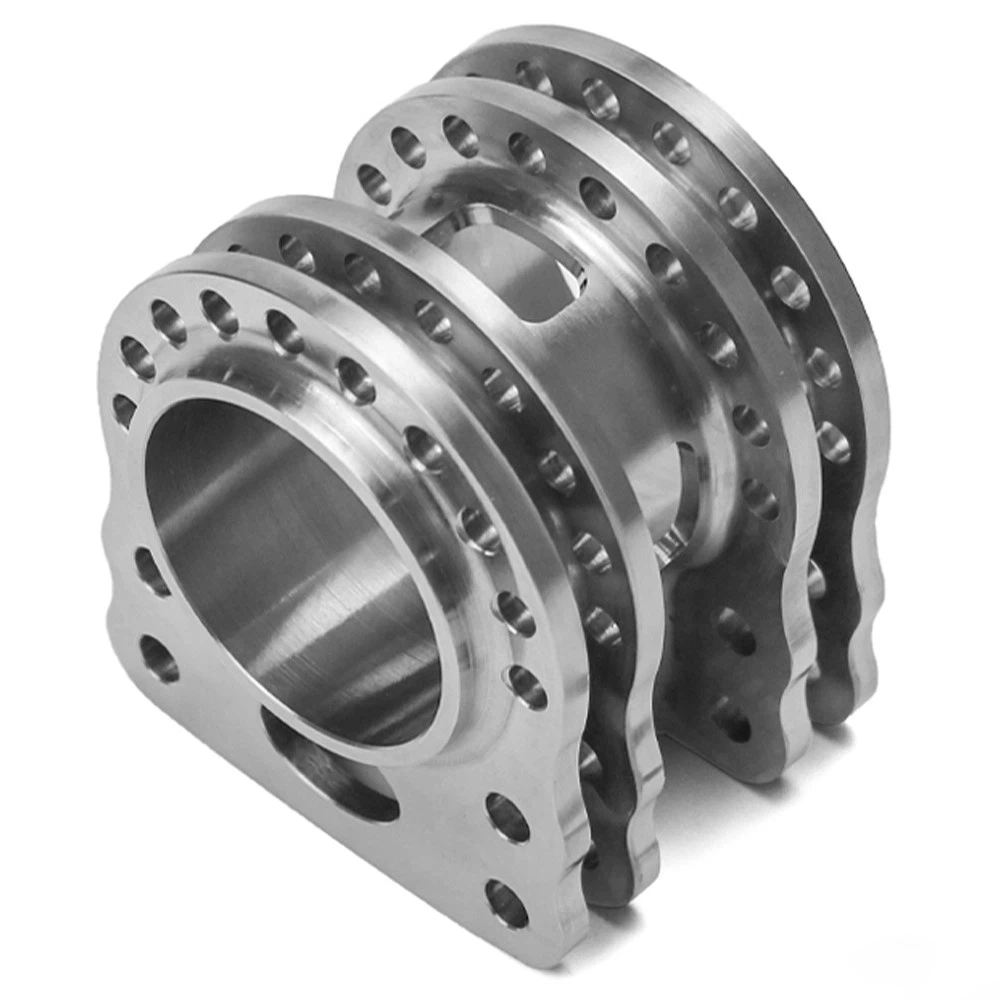
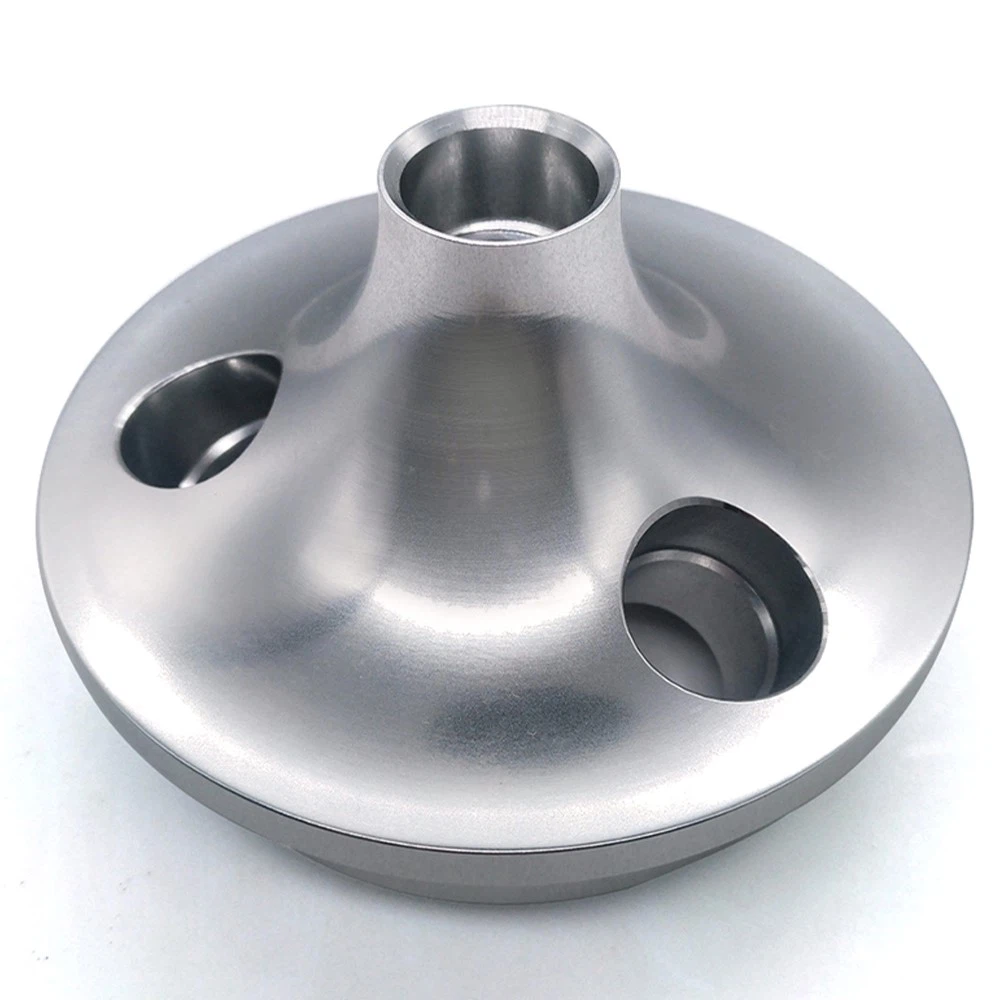
Stainless Steel/Steel/Titanium Alloy



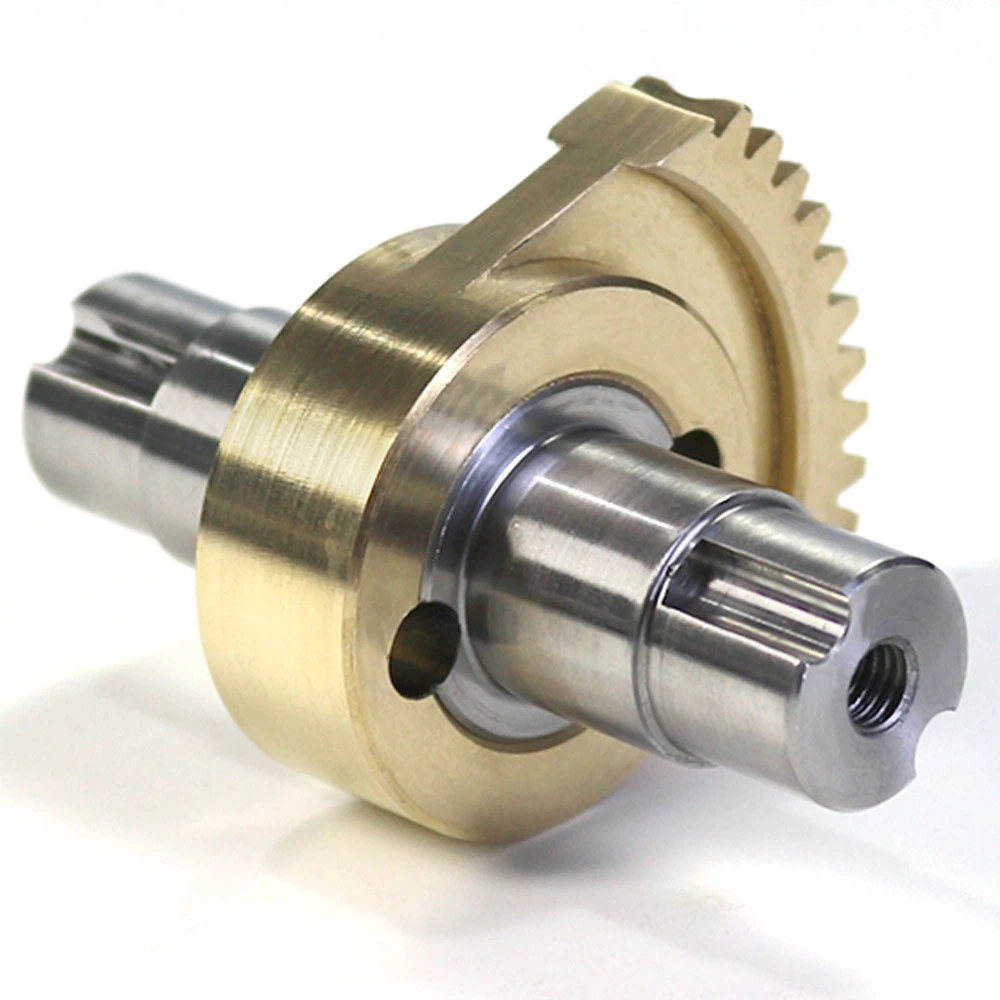
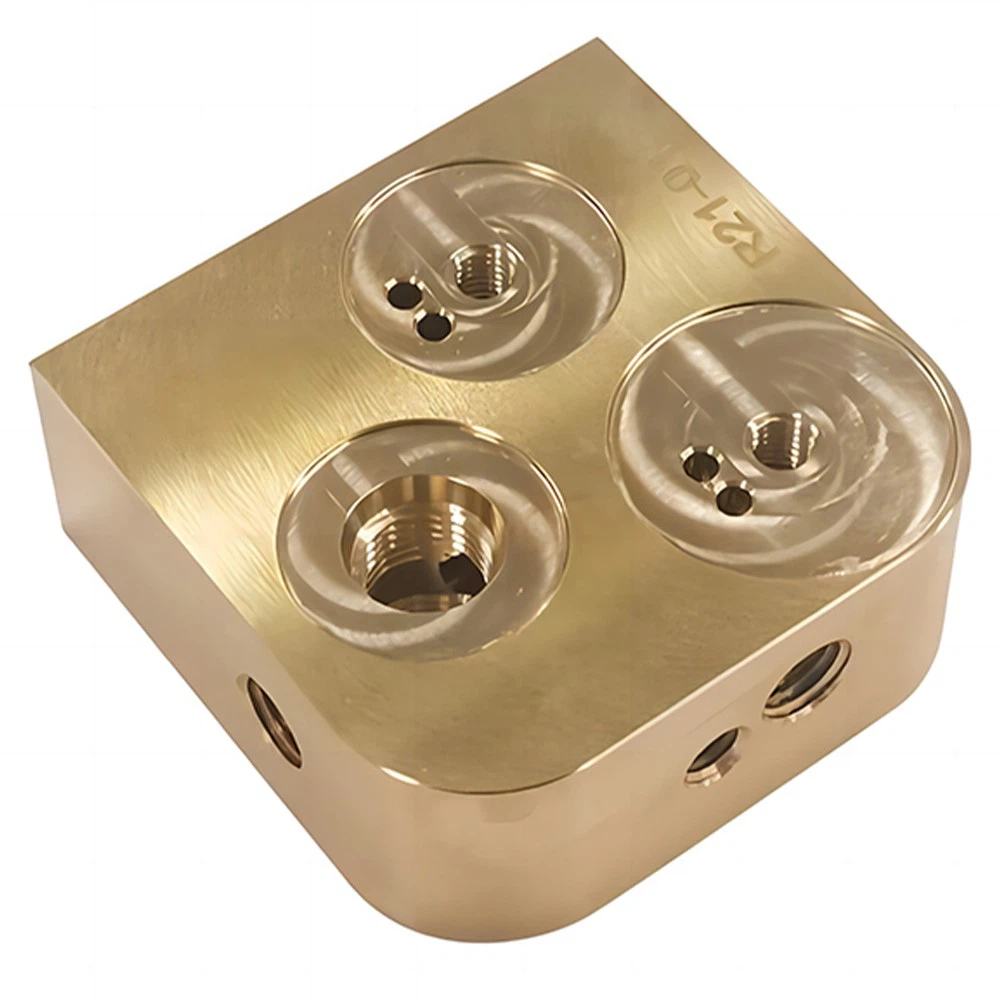
Brass/Copper



Plastic



our Services


Certified


