

As CNC manufacturers specializing in turned parts, it's crucial to anticipate and address common machining challenges. In this industry knowledge article, we explore the failures frequently encountered in the machining of turned parts and provide effective solutions. By understanding these issues and implementing proven remedies, we can enhance productivity, quality, and customer satisfaction.

Excessive Tool Wear: Combatting Premature Dulling:
Discover the causes behind excessive tool wear in turning operations, such as improper tool selection, incorrect cutting parameters, or poor lubrication. Explore solutions including material-specific tooling, optimized speeds and feeds, proper coolant application, and tool coatings to extend tool life and maintain consistent performance.
Dimensional Inaccuracies: Achieving Tight Tolerances:
Explore the root causes of dimensional inaccuracies in turned parts, like machine stability, tool runout, and thermal effects. Learn how to mitigate these issues through strategies like machine calibration, vibration damping, precise tool holding, and temperature control, ensuring adherence to tight tolerances.
Surface Finish Imperfections: Enhancing Aesthetic and Functional Requirements:
Understand the factors that contribute to surface finish imperfections, such as tool deflection, inadequate cutting fluid, or improper feed rates. Discover effective solutions, including tool path optimization, improved coolant delivery, selection of appropriate cutting inserts, and finishing operations, to achieve desired surface finishes.

Chip Control Problems: Improving Machining Efficiency:
Address chip control difficulties arising from long, stringy chips, chip build-up, or poor chip evacuation. Explore remedies like implementing chip breakers, selecting suitable tool geometries, adjusting cutting parameters for chip control, and utilizing high-pressure coolant to enhance chip evacuation, prolong tool life, and improve machining efficiency.
Part Deformation: Ensuring Geometric Integrity:
Identify potential causes of part deformation in turned parts, including built-up stresses, excessive cutting forces, or inadequate workholding. Implement solutions such as controlling part material and stress relief processes, optimizing cutting parameters to reduce forces, and utilizing appropriate clamping and supporting techniques to maintain geometric integrity.
Conclusion:
The machining of turned parts presents unique challenges, but proactive identification and resolution of common failures lead to enhanced machining efficiency and superior final products. By addressing issues such as excessive tool wear, dimensional inaccuracies, surface finish imperfections, chip control problems, and part deformation through innovative solutions, CNC manufacturers can achieve consistent quality, meet tight tolerances, and exceed customer expectations. Embrace these effective remedies to elevate your turned part machining capabilities and remain competitive in today's demanding market.
Processing Material

Aluminum


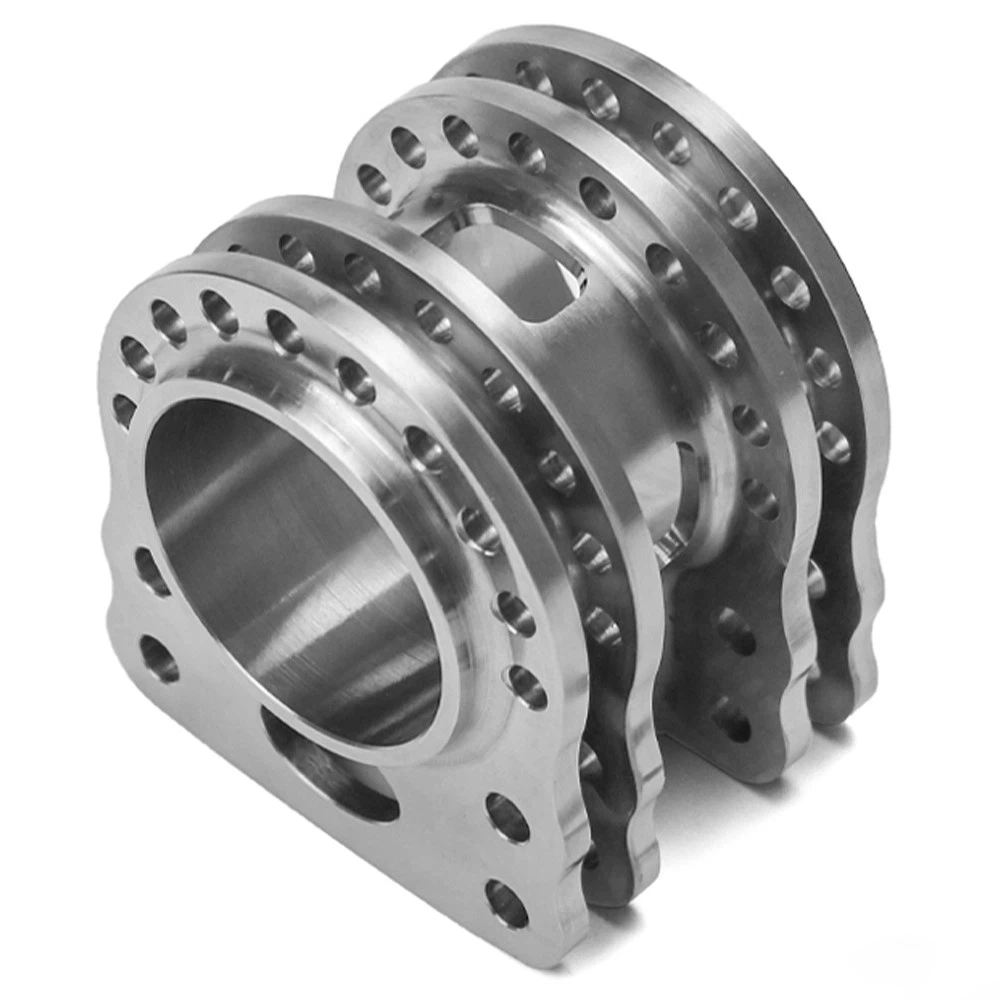
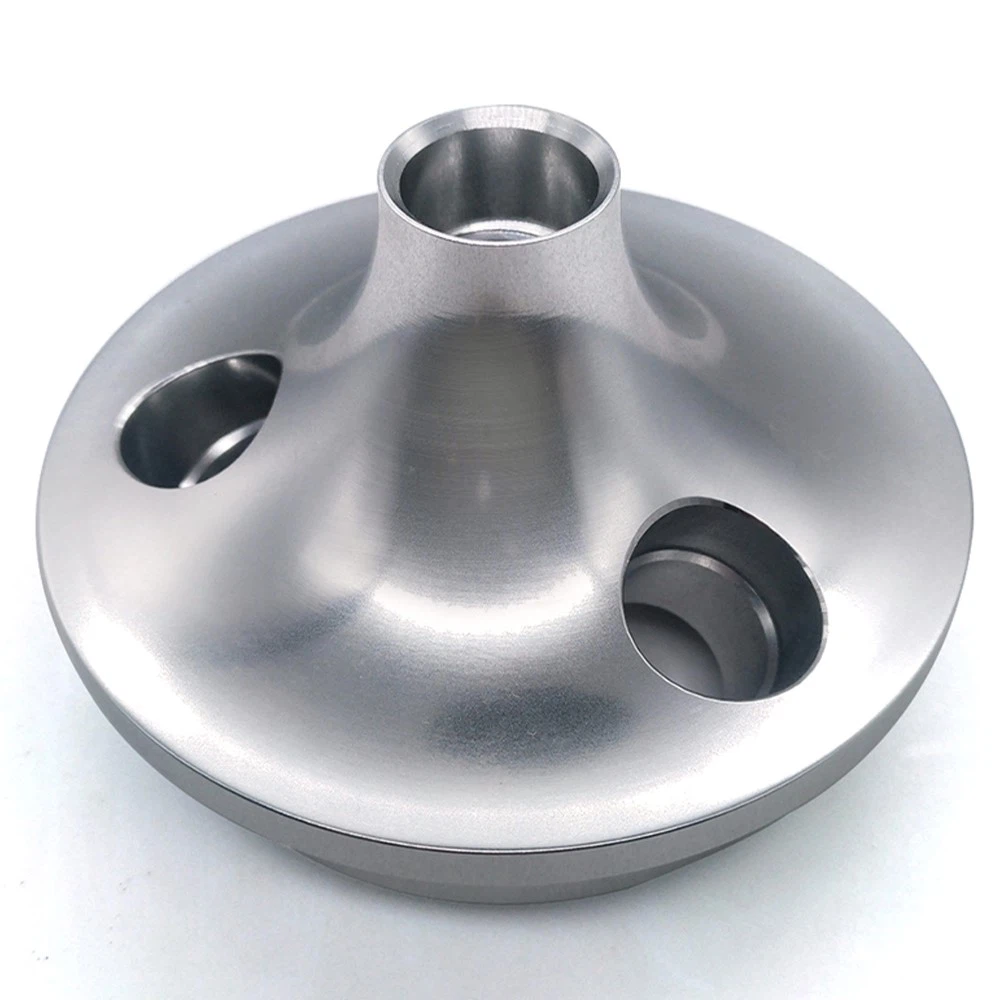
Stainless Steel/Steel/Titanium Alloy



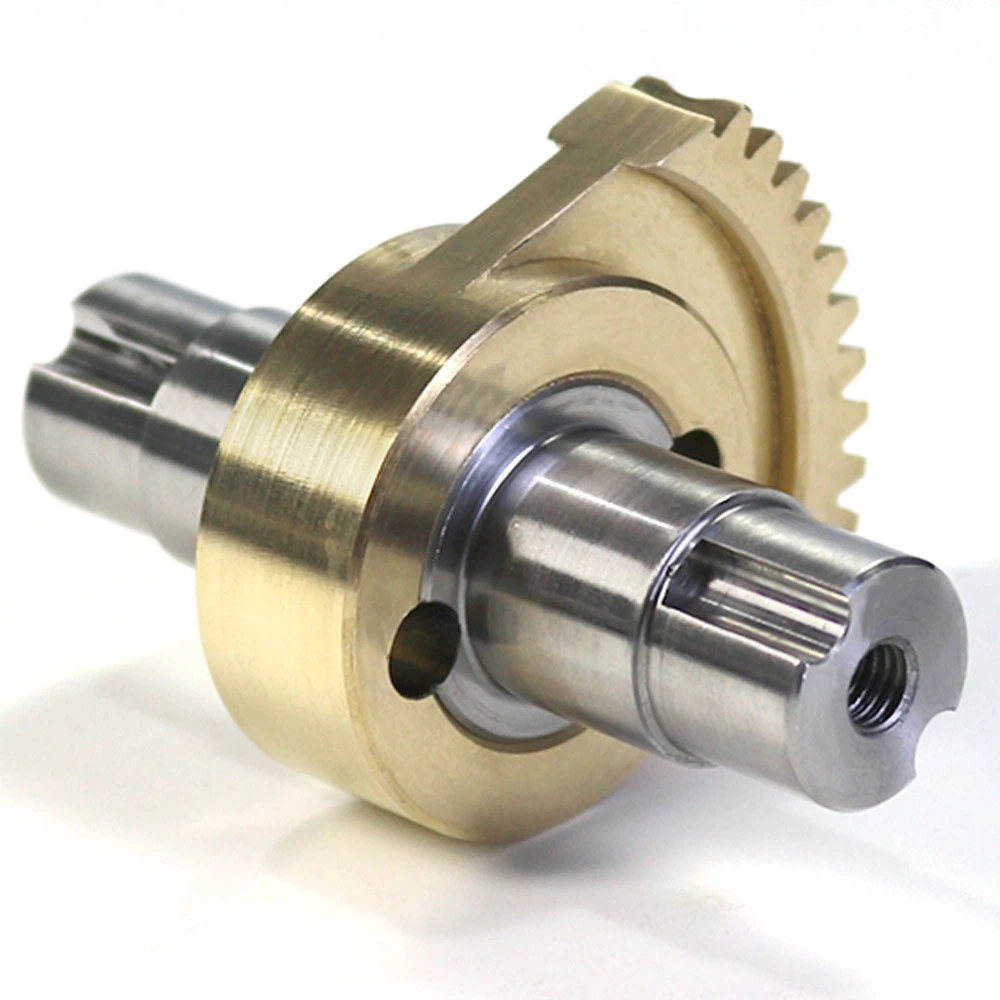
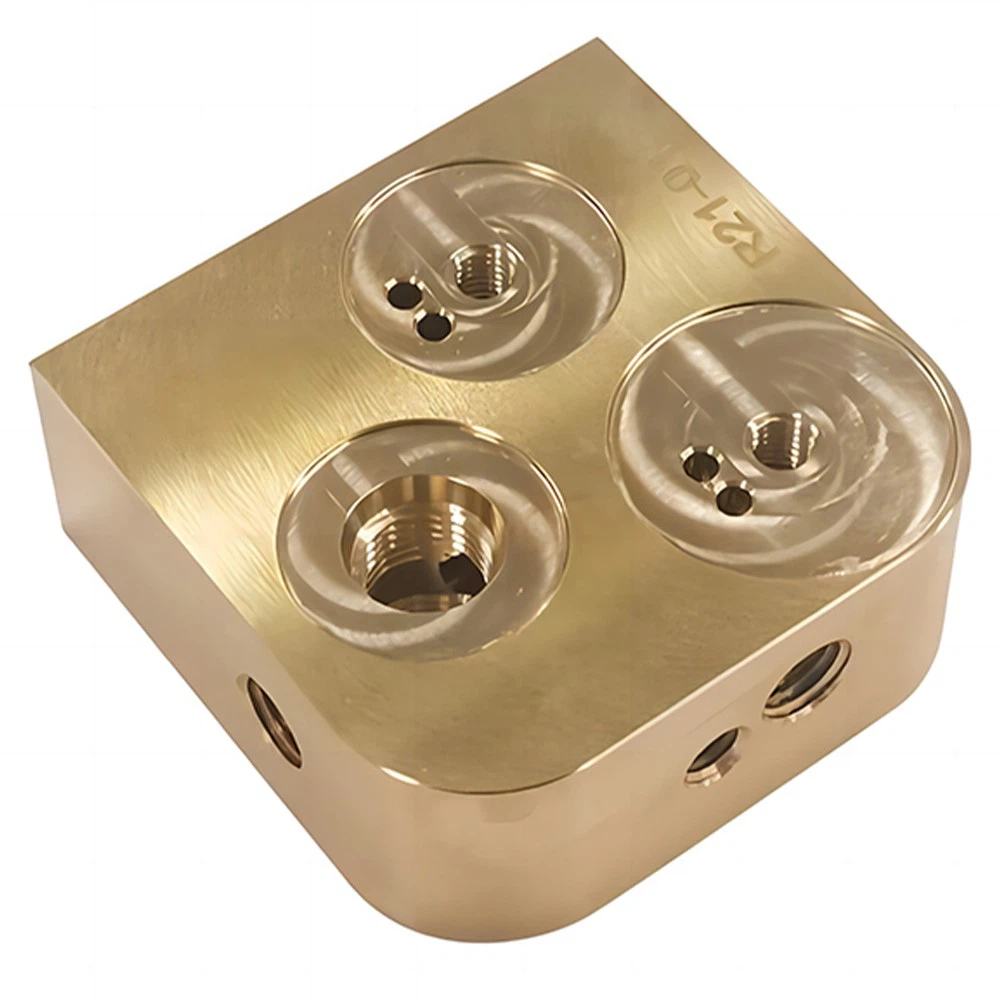
Brass/Copper


Plastic



our Services


Certified


