

In the high-stakes world of engine manufacturing, the demand for precision, durability, and performance is paramount. Whether you're working on automotive, aerospace, or industrial engines, the need for CNC (Computer Numerical Control) engine parts has never been greater. With the advent of advanced CNC machining technology, manufacturers can produce complex engine components with unmatched accuracy, meeting the stringent requirements of modern engineering.
This article explores how CNC machining is revolutionizing the production of engine parts, highlighting its advantages, applications, and why it's a game-changer for industries that rely on high-performance engines.
What Are CNC Engine Parts?
CNC engine parts refer to components used in engines that are manufactured using CNC machining processes. CNC machines utilize computer-controlled tools to precisely cut, shape, and finish parts to exact specifications. This level of automation and precision ensures that each engine part meets the highest standards of performance, quality, and durability.
From engine blocks and pistons to crankshafts and cylinder heads, CNC machining plays a critical role in the manufacturing of engine components that can withstand extreme conditions and deliver exceptional performance.
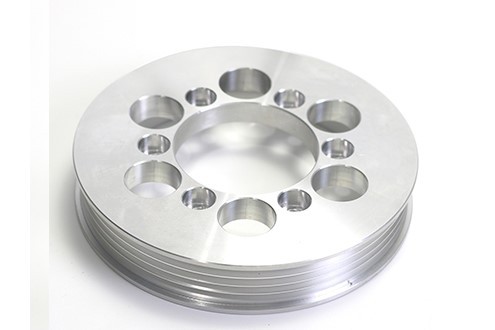
Key Benefits of CNC Engine Parts
1.Unmatched Precision and Accuracy One of the standout advantages of CNC machining is its ability to produce engine parts with incredible accuracy. Unlike traditional manual machining methods, CNC machines follow computer programs to make precise adjustments and cuts, ensuring that each part is made to exact specifications. This is especially crucial in engine manufacturing, where even minor deviations in a component's dimensions can affect the engine's performance and longevity.
2.High Efficiency and Speed CNC machines operate continuously, reducing the need for manual intervention and significantly improving production speed. With the ability to automate complex tasks, manufacturers can produce high-quality engine parts in less time, improving efficiency and reducing lead times. This is essential for meeting tight deadlines in industries like automotive and aerospace.
3.Material Versatility CNC machines are capable of working with a wide range of materials, from lightweight alloys and metals to high-strength composites. This versatility allows manufacturers to select the best material for each engine component, ensuring optimal performance, durability, and heat resistance. Common materials used for CNC engine parts include:
- Aluminum Alloys: Lightweight, corrosion-resistant, and widely used for components like engine blocks and cylinder heads.
- Steel and Stainless Steel: Strong and durable, perfect for parts that need to withstand high-stress conditions such as crankshafts and camshafts.
- Titanium: Used in aerospace and high-performance engines for its strength-to-weight ratio and heat resistance.
- Magnesium Alloys: Used in lightweight engine components, offering excellent strength and reduced weight.
4.Complex Geometries and Customization CNC machining is capable of producing highly complex and intricate geometries that would be difficult or impossible to achieve with manual methods. From precision grooves and internal passages to custom designs and configurations, CNC machines can manufacture a wide variety of engine parts, each tailored to the specific requirements of the engine it will power.
5.Consistency and Quality Control One of the major challenges in engine manufacturing is maintaining consistency across large production runs. CNC machines eliminate human error, ensuring that every part produced meets the same high-quality standards. With advanced monitoring systems, manufacturers can detect and correct any issues during production, ensuring that each engine part is free of defects.

Applications of CNC Engine Parts
1.Automotive Industry In the automotive sector, CNC engine parts are used in the production of high-performance engines for cars, trucks, and motorcycles. From precision components like pistons, cylinder heads, and camshafts to turbochargers and exhaust manifolds, CNC machining ensures that every part is manufactured to exacting standards. Custom parts for racing engines, electric vehicles (EVs), and performance upgrades are also made using CNC technology.
2.Aerospace and Aviation Aerospace engines require parts that can withstand extreme temperatures, pressures, and stress. CNC-machined engine components such as turbine blades, compressor rotors, and combustion chambers are used in both civilian and military aircraft engines. Precision is critical in the aerospace industry, and CNC machining ensures that components are consistently manufactured to the exact tolerances required for high-stakes applications.
3.Industrial Machinery CNC engine parts are also crucial in the manufacturing of heavy-duty industrial machinery. From high-performance compressors and generators to pumps and motors, CNC machining ensures that engine components are durable and efficient. These parts must meet strict standards for longevity and performance under high load conditions, making CNC machining the ideal solution for the job.
4.Marine Engines Marine engines, which power boats, ships, and offshore equipment, also rely on CNC-manufactured parts. Components such as propellers, shafts, pistons, and turbochargers must be able to withstand the harsh conditions of the sea, including saltwater exposure and constant vibrations. CNC machining ensures that these parts are precision-engineered to perform reliably and efficiently.
5.Small Engines and Power Equipment CNC machining is widely used for the production of engine components in small engines, including lawnmowers, generators, and snowmobiles. These engines require parts like carburetors, ignition components, and valve assemblies to be produced with accuracy and consistency, ensuring their proper operation in demanding conditions.

How CNC Machining Transforms Engine Manufacturing
1.Faster Prototyping and Design Iterations CNC machining allows for rapid prototyping, meaning manufacturers can quickly turn designs into physical engine parts. This ability to iterate quickly is invaluable during the R&D phase of engine design, where testing and modifying components is essential. Designers can make adjustments to the CAD files and immediately produce new parts for testing, accelerating the development process.
2.Cost-Effective for Low to High Volume Runs While the initial setup for CNC machining can be costly, its efficiency and ability to produce high-quality parts with minimal waste make it cost-effective over time. CNC machining is especially beneficial for small to medium-volume production runs, where traditional methods might not be as cost-effective.
3.Reduced Lead Time CNC machining drastically reduces lead times for engine parts. With computer-controlled systems, the manufacturing process is faster, and the likelihood of errors is reduced. Parts that once took weeks to manufacture can now be produced in a matter of days, helping manufacturers meet tight deadlines and customer demands.
Conclusion: Why CNC Engine Parts Are the Future of Manufacturing
The precision, efficiency, and flexibility offered by CNC machining have made it a game-changer in the production of engine components. From the automotive industry to aerospace and industrial machinery, CNC engine parts are the cornerstone of high-performance engines that power the world's most advanced technologies.
For manufacturers looking to remain competitive in today's fast-paced market, adopting CNC machining for engine parts is no longer optional-it's a necessity. The ability to produce complex, high-quality components with speed and precision ensures that businesses can meet the rising demand for innovation and reliability in engine manufacturing.
If you're looking to elevate your engine production, whether you're designing a custom high-performance engine or optimizing mass production, CNC machining offers the accuracy and reliability needed to deliver superior engine components that will power the next generation of machines, vehicles, and technologies.