


Titanium Processing
Precision Machining Parts
Machinery Axis: 3,4,5,6
Tolerance:+/- 0.01mm
Special Areas : +/-0.005mm
Surface Roughness: Ra 0.1~3.2
Supply Ability:500000Piece/Month
1-Piece Minimum Order
3-Hour Quotation
Samples: 1-3 Days
Lead time: 7-14 Days
Certificate:Medical,Aviation,Automobile,
ISO13485, IS09001, AS9100, IATF16949
Processing Materials: aluminum, brass, copper, steel, stainless steel, iron, plastic, and composite materials etc.
Send Inquiry
Product Details ofTitanium Processing
Navigating the World of Titanium Processing: A Buyer's Guide
As a seasoned buyer, you understand the significance of meticulous decision-making when it comes to purchasing industrial products. Titanium processing, a crucial aspect of various industries, demands particular attention due to its unique properties and applications. Whether you're involved in aerospace, medical, or other sectors requiring titanium components, here are key considerations to bear in mind when navigating the realm of titanium processing.

**1. Purity of Titanium
The purity of titanium is a fundamental aspect that significantly influences its performance. Titanium is often alloyed with other metals to enhance specific characteristics. Commercially pure titanium grades, denoted as Grades 1 to 4, offer excellent corrosion resistance and formability. However, for applications requiring elevated strength, consider titanium alloys such as Ti-6Al-4V. Ensure the supplier provides detailed information about the titanium grade and alloy composition to align with your project requirements.
2. Manufacturing Processes
Titanium processing involves various manufacturing methods, each impacting the final product's properties. Common processes include machining, forging, casting, and additive manufacturing (3D printing). Understanding the advantages and limitations of these processes is crucial. For example, machining may provide precision, but it can be time-consuming, while 3D printing offers intricate designs but might have limitations in size or load-bearing capabilities.
3. Quality Standards and Certifications
In industries where reliability and safety are paramount, adherence to quality standards is non-negotiable. Ensure that the titanium processing facility follows recognized standards such as ISO 9001 for quality management. Additionally, if your industry requires specific certifications like AS9100 for aerospace or ISO 13485 for medical applications, verify that the supplier meets these standards.
4. Surface Finish and Tolerance
The surface finish of titanium components is crucial, especially in applications where smoothness impacts performance. Discuss the required surface finish with the supplier, taking into account factors like corrosion resistance and fatigue strength. Similarly, tolerances in titanium processing must align with your project specifications. Precision is particularly critical in industries like aerospace and medical, where tight tolerances ensure optimal functionality.
5. Material Traceability
Traceability is essential, especially in industries with stringent regulatory requirements. A reliable supplier should be able to provide detailed material traceability documentation. This documentation traces the source of the titanium, the manufacturing processes it underwent, and any testing or inspections performed. This traceability ensures transparency and accountability throughout the supply chain.


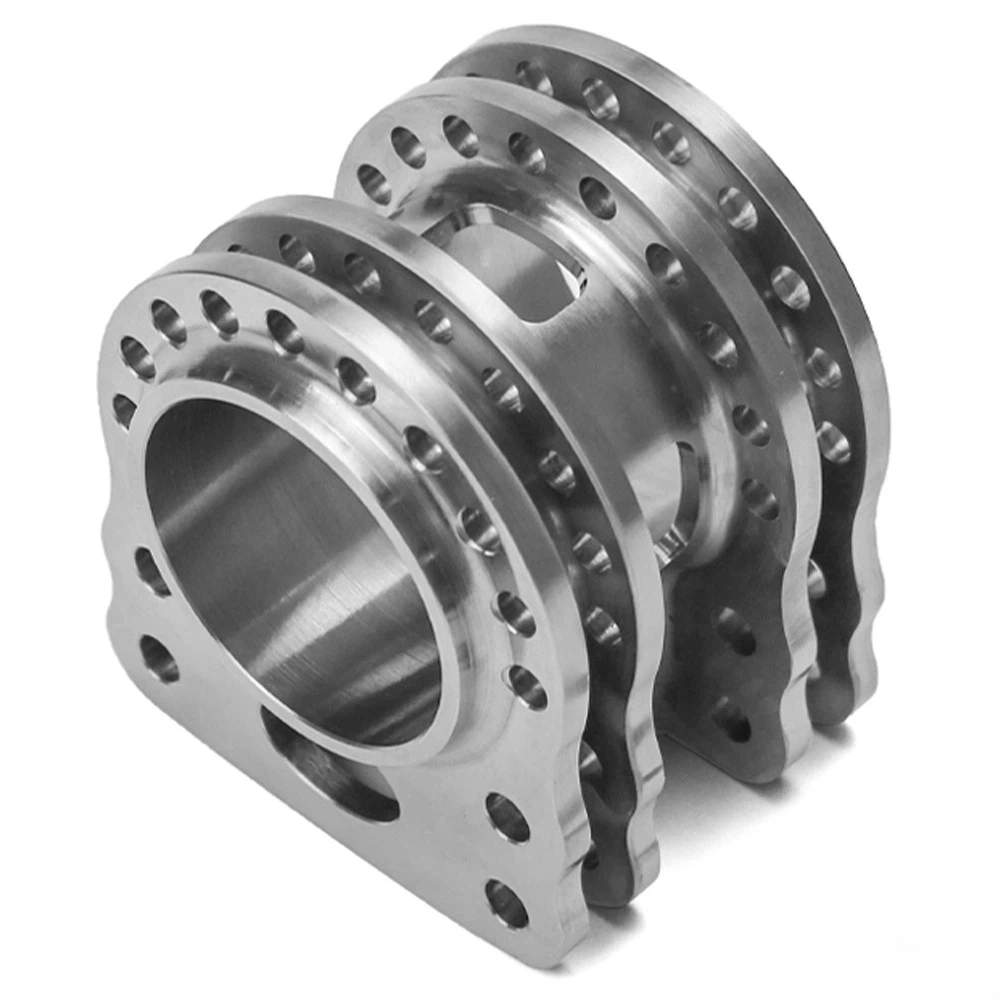

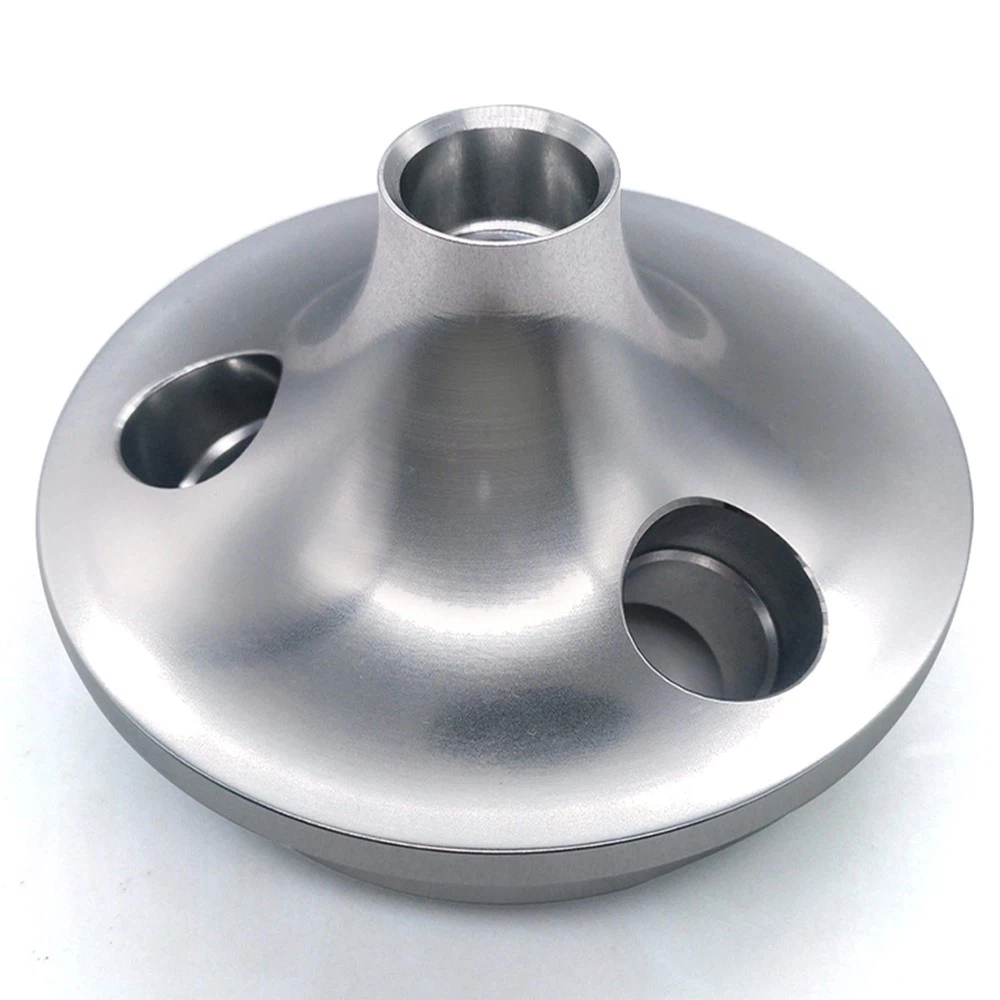


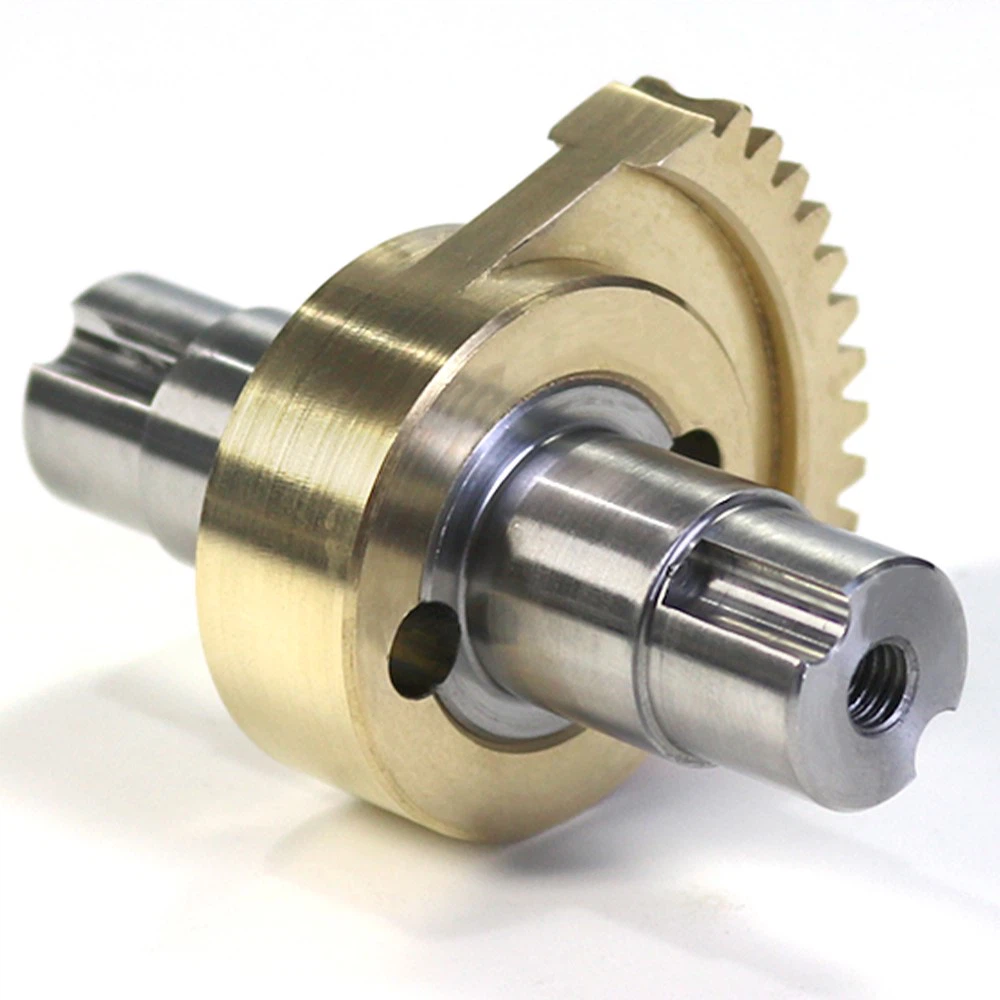

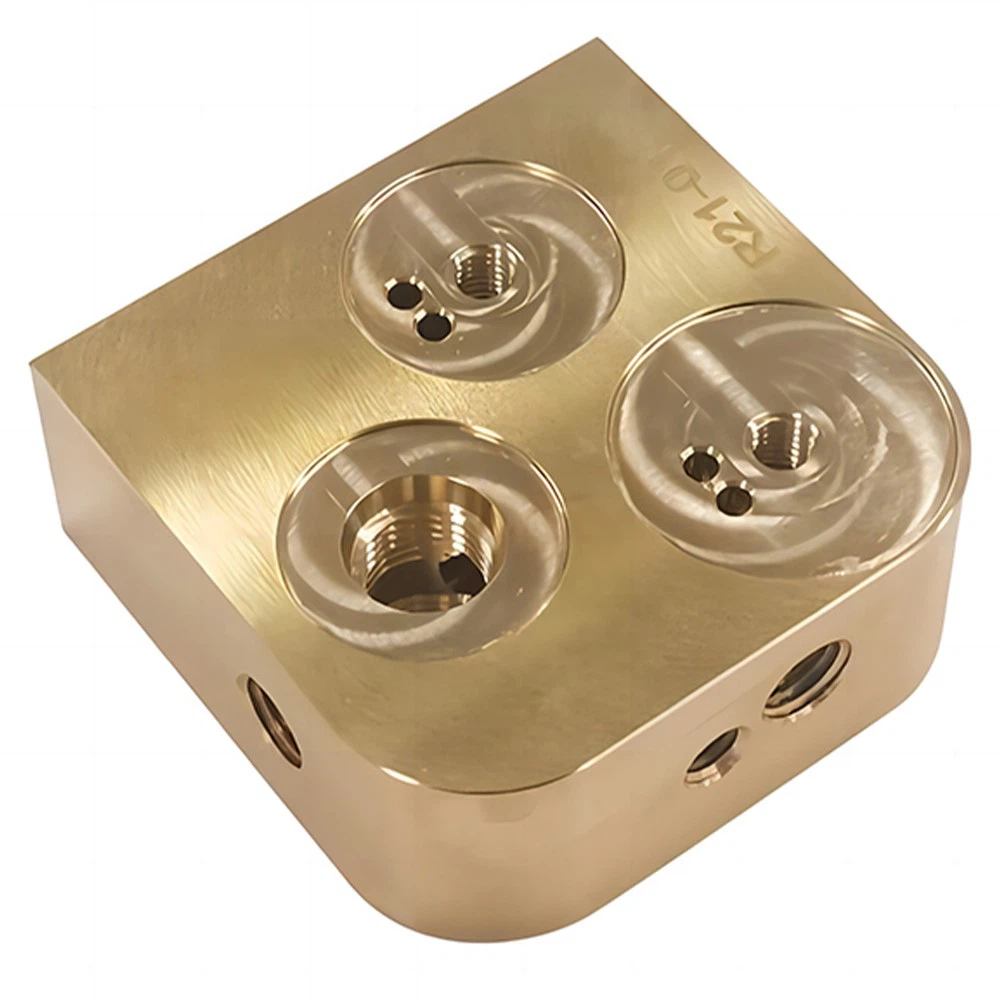




Hot Tags: titanium processing, China titanium processing manufacturers, suppliers, factory, step turning in lathe machine, steel laser cutting service, aluminium seat post, aluminum cnc turning parts, custom aluminum parts, compressor shut off switch
Previous
Steel ProcessingSend Inquiry
