




Robot Parts
Understanding Machining and Its Importance
Machining refers to the process of shaping or removing material from a workpiece to create the desired shape or size. This is typically done using tools like lathes, mills, drills, and grinders. Machining is integral to creating robot parts because it allows manufacturers to achieve tight tolerances, which are essential in the high-performance environments robots operate in.
The importance of machining in the production of robot parts cannot be overstated. Robots, whether they are performing simple tasks or complex actions, require parts that are not only precise but also made from materials that can withstand the rigors of repeated use. From the gears that drive the robotic joints to the structural frames that hold everything together, machining ensures that every component functions harmoniously.

Types of Machining Techniques Used for Robot Parts
- CNC Machining (Computer Numerical Control): CNC machining is one of the most widely used methods in the production of robot parts. It involves the use of computer-controlled tools to perform various operations, including drilling, turning, and milling. The precision of CNC machines is crucial for producing complex parts like robotic arms, sensors, and actuators. The software programs used in CNC machining allow manufacturers to create detailed blueprints and automate the machining process, leading to high repeatability and consistency.
- 3D Printing (Additive Manufacturing): While traditionally not considered machining, 3D printing has become an important tool in creating prototype robot parts. The additive manufacturing process involves building up material layer by layer, allowing for the creation of complex shapes that may be difficult or impossible to achieve through traditional subtractive machining. 3D printing can be especially useful for creating lightweight structures, custom components, and intricate geometries in robot designs.
- Turning and Milling: Turning and milling are fundamental machining processes in which material is removed from a rotating workpiece (turning) or a stationary workpiece (milling) using various cutting tools. These processes are vital in the production of robot parts such as shafts, casings, and gears. High-speed milling machines, in particular, are often used to create the intricate parts of robot joints or other components where precision and surface finish are critical.
- Grinding: Grinding is another machining method used to refine the surface finish of robot parts. It's particularly important for parts that require a smooth and polished finish, such as those involved in the robot's motor system or those in contact with other parts in the robot's joints. The grinding process is also essential for achieving the tight tolerances needed in certain robot components.
Challenges in Machining Robot Parts
While machining offers many advantages, there are challenges associated with the process. One of the main challenges is the complexity of the parts being produced. Modern robots often require parts with intricate shapes, thin walls, and tiny tolerances, which can be difficult to machine. Additionally, the material properties of some advanced metals or composites can make them harder to machine, requiring specialized tools and techniques.
Another challenge is the cost and time involved. Precision machining can be expensive, particularly when dealing with high-end materials like titanium or when creating custom components for low-volume production runs. Manufacturers must balance the need for high precision with the cost-effectiveness of the machining process, often relying on automated CNC systems to keep production costs manageable.
Materials Used in Machining Robot Parts
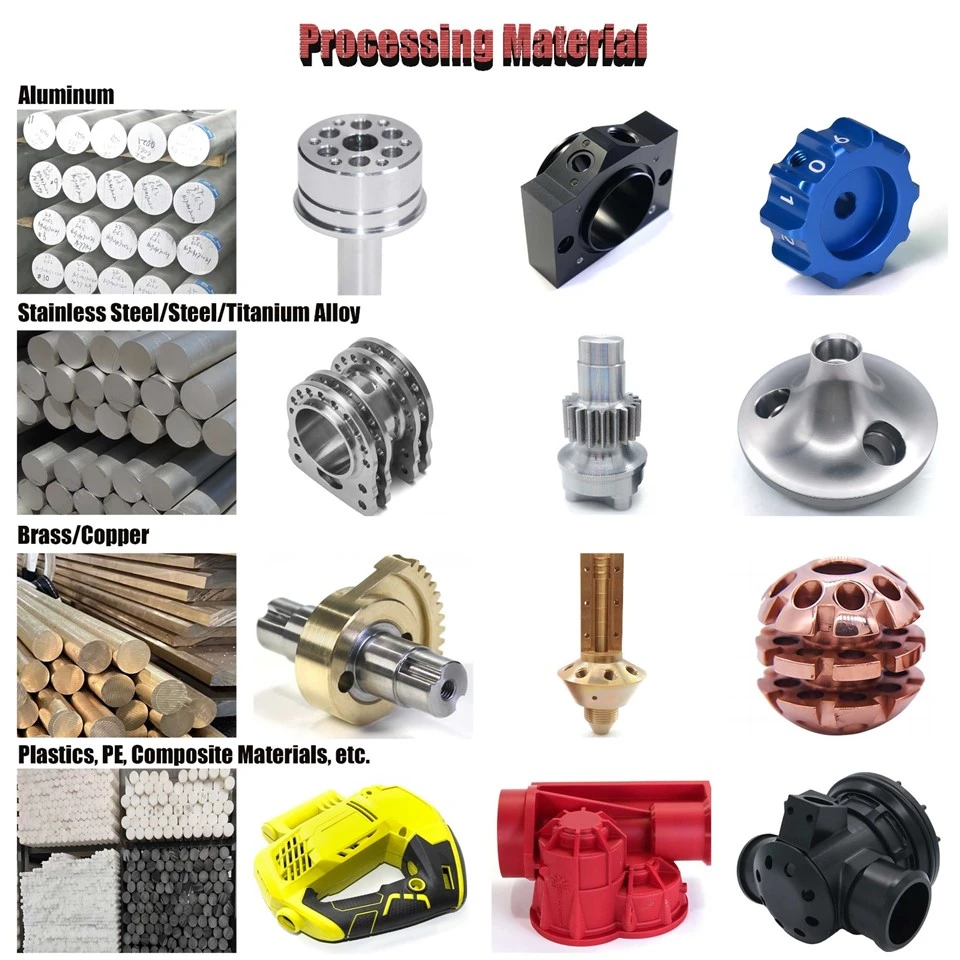
The choice of material is a key factor in determining how robot parts are machined. Since robots are exposed to various stresses, they need parts made from strong, durable, and sometimes lightweight materials. Common materials used in machining robot parts include:
- Aluminum: Lightweight yet strong, aluminum is often used for robot frames, casings, and joints. It's also easy to machine, making it a favorite for manufacturers.
- Titanium: Known for its high strength-to-weight ratio and corrosion resistance, titanium is used for parts that require extra durability, such as robotic arms and joints.
- Stainless Steel: Stainless steel is often used in applications where strength, wear resistance, and corrosion resistance are important. Robot parts like motors, gears, and structural components are commonly made from stainless steel.
- Plastics: For certain components like housing, covers, or non-structural parts, plastics such as ABS and nylon can be used. These materials are lightweight, cost-effective, and can be easily machined for precision.
- Composites: Carbon fiber composites are increasingly used for high-performance robotic parts where both lightweight and strength are required.

Future Trends in Machining Robot Parts
As the field of robotics continues to evolve, so does the need for advanced machining techniques. Future trends in machining robot parts are likely to include:
- Increased Use of Automation: More robotics and AI will be integrated into machining processes, enabling faster, more accurate production with minimal human intervention.
- Advanced Materials: As new materials are developed, machining techniques will have to adapt. This includes the growing use of lightweight composites and advanced alloys that offer both strength and flexibility.
- Integrated Manufacturing: The rise of additive manufacturing (3D printing) will continue to complement traditional machining methods, allowing for more customized, on-demand production of robot parts.
- Smart Machining: The introduction of IoT (Internet of Things) into machining equipment will enable real-time monitoring and predictive maintenance, leading to more efficient and reliable production processes.

FAQ
Q1:What are the most common materials used in robot parts?
A:Common materials for robot parts include metals like aluminum and steel for strength and durability, plastics for lightweight construction, and composites for specialized applications. Advanced robots may also use carbon fiber or titanium for additional strength.
Q2:Can robot parts be replaced or upgraded?
A:Yes, most robot parts can be replaced or upgraded. For example, you can swap out sensors for more advanced models or replace actuators with higher-performance motors. This modular design allows for customization and repair.
Q3:Are robot parts standardized?
A:Some robot parts are standardized, especially when they are designed for specific industries, like manufacturing or automation. However, many robotic systems are custom-built, and the parts may vary depending on the robot's intended function.
Q4:Can I make my own robot parts?
A:Yes, many hobbyists and engineers make their own robot parts using tools like 3D printers, CNC machines, or custom fabrication techniques. This is a great way to create highly specialized components or to reduce costs.
Q5:How do I maintain robot parts?
A:Maintaining robot parts involves regularly inspecting components for wear, cleaning sensors, lubricating moving parts, and ensuring electrical connections are secure. Routine maintenance helps prolong the life of the robot and ensures optimal performance.
Hot Tags: robot parts, China robot parts manufacturers, suppliers, factory, OEM sheet metal stamping parts, stainless stair treads, spinning wheel spindle sharp, linear guide bearing block, 3d cnc africa, Ball Screw Slider Linear Module
Send Inquiry
