

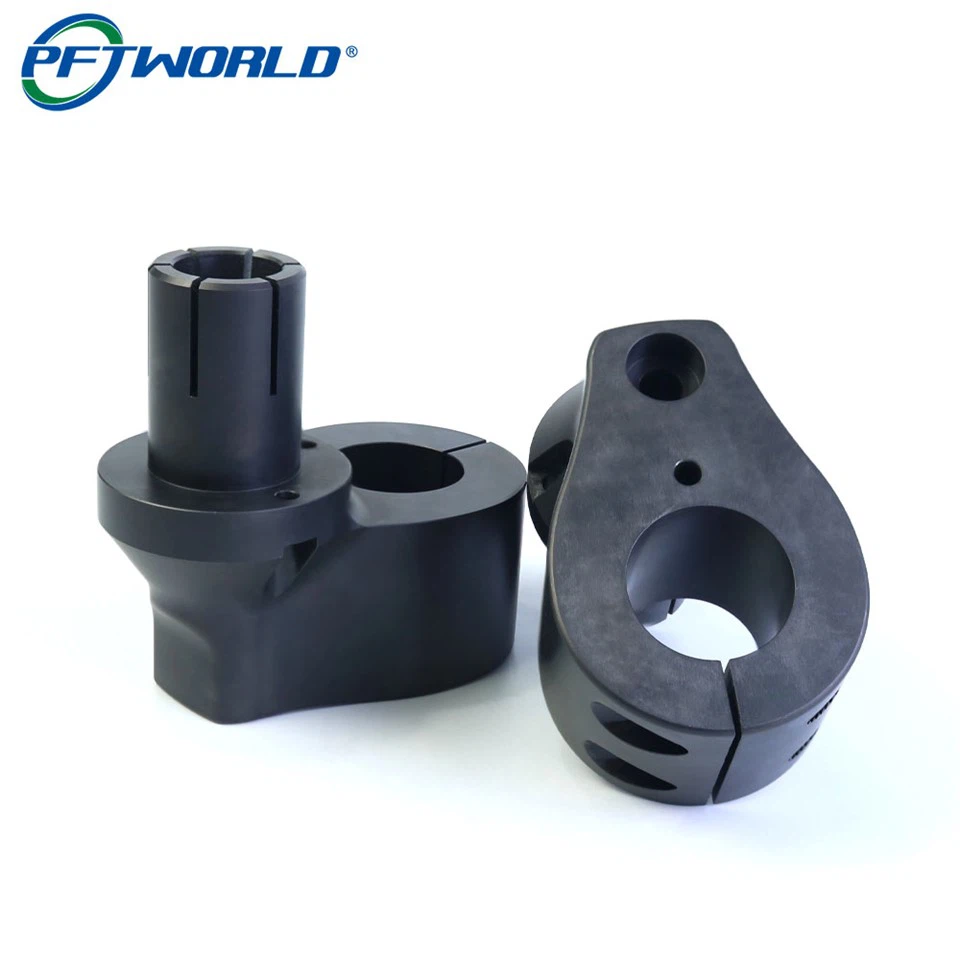



Precision Manufacturing Steel Fixtures
Machinery Axis: 3,4,5,6
Tolerance:+/- 0.01mm
Special Areas : +/-0.005mm
Surface Roughness: Ra 0.1~3.2
Supply Ability:500000Piece/Month
1-Piece Minimum Order
3-Hour Quotation
Samples: 1-3 Days
Lead time: 7-14 Days
Certificate:Medical,Aviation,Automobile,
ISO9001:2015,AS9100D,ISO13485:2016,ISO45001:2018,IATF16949:2016,ISO14001:2015,RoSH,CE etc.
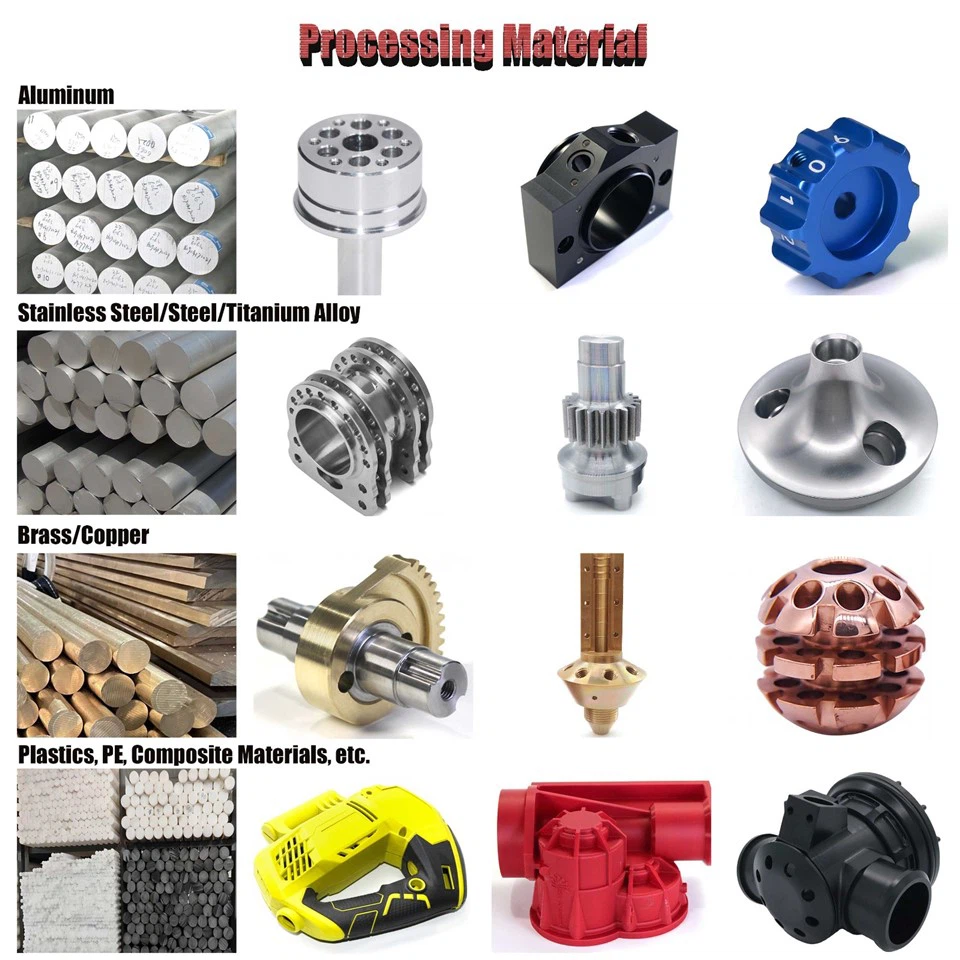
Processing Materials: aluminum, brass, copper, steel, stainless steel, iron, plastic, and composite materials etc.
Send Inquiry
Product Details ofPrecision Manufacturing Steel Fixtures
If you've ever wondered how complex parts are made identically again and again-whether for cars, phones, or medical devices-the answer often lies in something called a steel fixture. These unassuming tools are the unsung heroes of manufacturing, ensuring every piece produced is precise, consistent, and reliable.

What Is a Steel Fixture?
In simple terms, a fixture is a custom-made tool that holds a workpiece securely in place during manufacturing processes like machining, welding, or inspection. When made from steel, these fixtures offer durability, stability, and precision.
Think of it like a highly specialized vise or clamp-but one designed for a specific part and a specific job. Without fixtures, mass production wouldn't be possible.
Why Use Steel?
Fixtures can be made from aluminum, plastic, or even composite materials, but steel is often the material of choice for demanding applications. Here's why:
- Strength & Rigidity: Steel doesn't flex or deform under pressure, which is critical for holding tight tolerances.
- Durability: It withstands repeated use, high temperatures, and harsh machining environments.
- Wear Resistance: Hardened steel fixtures last for years, even under heavy use.
- Versatility: Steel can be machined, welded, ground, and heat-treated to meet exact needs.
Where Are Steel Fixtures Used?
You'll find steel fixtures behind the scenes in almost every industry:
- CNC Machining: Holding parts in place while being milled, turned, or drilled.
- Welding & Assembly: Ensuring components align perfectly before joining.
- Quality Control: Securing parts during measurement with tools like CMMs (Coordinate Measuring Machines).
- Automation: Used in robotic work cells for picking, placing, and processing parts.
How Are Steel Fixtures Made?
Creating a fixture is its own art form. The process usually involves:
- Design: Engineers design the fixture around the part's geometry and the operation being performed.
- Material Selection: Common choices include mild steel, tool steel, or stainless steel.
- Machining: CNC mills and lathes shape the fixture to extremely tight tolerances.
- Heat Treatment: For added hardness and wear resistance.
- Finishing: Surfaces may be ground, polished, or coated for better performance and corrosion resistance.
Common Types of Fixtures
- Milling Fixtures: Hold parts during cutting operations.
- Welding Jigs: Keep components aligned for perfect welds.
- Inspection Fixtures: Used to validate part dimensions.
- Assembly Fixtures: Ensure everything goes together correctly.
Real-World Examples
- Car Manufacturing: Engine blocks are machined using massive steel fixtures.
- Electronics: Phone casings are laser-cut and assembled in custom fixtures.
- Medical: Implants are polished and inspected in sterile-grade stainless fixtures.
Final Thoughts
Steel fixtures are one of those things you rarely see but always rely on. They bring precision, efficiency, and scale to manufacturing-turning ideas into reality, one perfectly held part at a time.
Whether you're prototyping a new product or scaling up production, the right fixture can make all the difference.

FAQ:
Q:How fast can I receive a CNC prototype?
A:Lead times vary depending on part complexity, material availability, and finishing requirements, but generally:
- Simple prototypes: 1–3 business days
- Complex or multi-part projects: 5–10 business days
Expedited service is often available.
Q:What design files do I need to provide?
A:To get started, you should submit:
- 3D CAD files (preferably in STEP, IGES, or STL format)
- 2D drawings (PDF or DWG) if specific tolerances, threads, or surface finishes are required
Q:Can you handle tight tolerances?
A:Yes. CNC machining is ideal for achieving tight tolerances, typically within:
- ±0.005" (±0.127 mm) standard
- Tighter tolerances available upon request (e.g., ±0.001" or better)
Q:Is CNC prototyping suitable for functional testing?
A:Yes. CNC prototypes are made from real engineering-grade materials, making them ideal for functional testing, fit checks, and mechanical
evaluations.
Q:Do you offer low-volume production in addition to prototypes?
A:Yes. Many CNC services provide bridge production or low-volume manufacturing, ideal for quantities from 1 to several hundred units.
Q:Is my design confidential?
A:Yes. Reputable CNC prototype services always sign Non-Disclosure Agreements (NDAs) and treat your files and intellectual property with full confidentiality.
Hot Tags: precision manufacturing steel fixtures, China precision manufacturing steel fixtures manufacturers, suppliers, factory, steel cable parts, a3 laser cutter, aluminum mtb crankset, surgical parts, stainless steel coupler, copper stamping parts
Send Inquiry
