


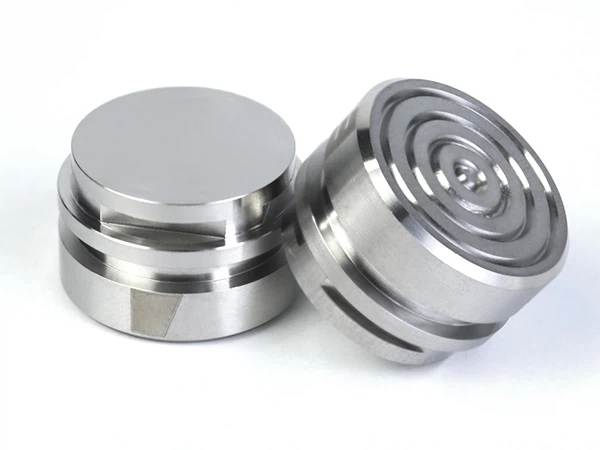
Mirror Finish Polishing For Stainless Steel Parts
Machinery Axis: 3,4,5,6
Tolerance:+/- 0.01mm
Special Areas : +/-0.005mm
Surface Roughness: Ra 0.1~3.2
Supply Ability:500000Piece/Month
1-Piece Minimum Order
3-Hour Quotation
Samples: 1-3 Days
Lead time: 7-14 Days
Certificate:Medical,Aviation,Automobile,
ISO9001:2015,AS9100D,ISO13485:2016,ISO45001:2018,IATF16949:2016,ISO14001:2015,RoSH,CE etc.
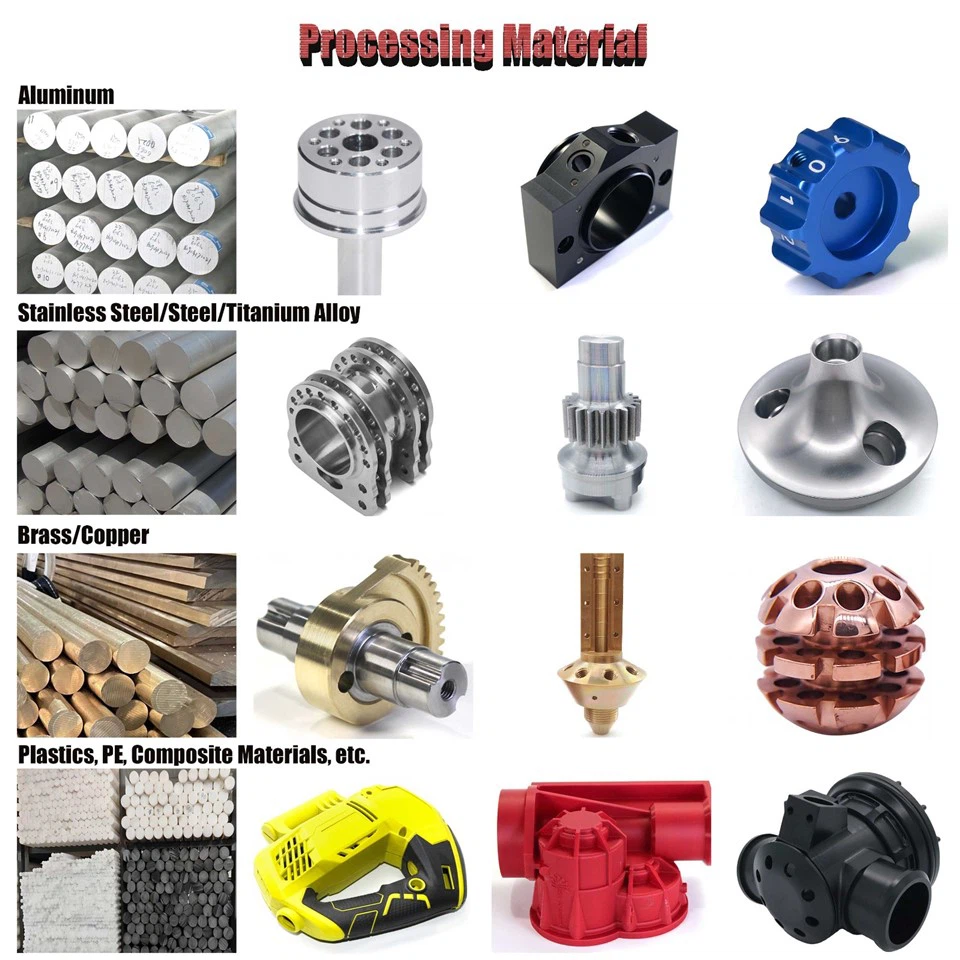
Processing Materials: aluminum, brass, copper, steel, stainless steel, iron, plastic, and composite materials etc.
Send Inquiry
Product Details ofMirror Finish Polishing For Stainless Steel Parts
Ever run your hand over a perfectly polished stainless steel handrail or looked at a high-end appliance and wondered, "How do they get it so smooth and shiny?" That flawless, reflective surface isn't an accident-it's the result of a precise process called mirror finish polishing.
What Is a Mirror Finish, Really?
In manufacturing terms, a mirror finish refers to a surface so smooth it acts like a mirror, reflecting light and images clearly. We measure surface roughness in microns (µm). A standard machined part might have a roughness of 3.2 µm, but a true mirror finish gets down to ≤ 0.025 µm. For reference, a human hair is about 75 µm thick-so we're talking about an incredibly smooth surface.

Why Bother with a Mirror Finish?
1.Hygiene & Cleanability:
Bacteria and contaminants can't hide on a perfectly smooth surface. This is critical for medical devices, food processing equipment, and pharmaceutical machinery.
2.Corrosion Resistance:
A polished surface has fewer microscopic pits where moisture and chemicals can accumulate, slowing down corrosion and extending the part's life.
3.Functionality:
In applications like semiconductor manufacturing or optics, even microscopic imperfections can disrupt performance.
How It's Done: The Step-by-Step Polish
You can't just buff a rough part into a mirror. It's a layered process:
1.Start with Good Machining:
The better the initial surface (from CNC milling or turning), the less work later. Deep tool marks are the enemy.
2.Grinding & Sanding:
Using progressively finer abrasives-starting from 80 grit, moving up to 600 grit or higher-this stage removes scratches and evens the surface.
3.Polishing with Compounds:
A buffing wheel with specialized compounds (like rouges) brings out the shine. This is where the reflection starts appearing.
4.Electropolishing (The Secret Weapon):
For an ultra-uniform finish, especially on complex shapes, many shops use electropolishing. This electrochemical process removes a tiny layer of surface material, deburring, enhancing corrosion resistance, and delivering a flawless look-even in hard-to-reach areas.
What Makes a Part Difficult to Polish?
- Complex Geometry: Tight corners, deep grooves, and internal channels are challenging to access.
- Size: Larger parts require more time and skill.
- Initial Surface Quality: Deep scratches or dents demand more abrasive steps.
- Material Grade: Harder stainless steels (like 17-4 PH) are tougher to polish than softer grades (like 304).
Real-World Applications
- Medical: Surgical tools, implants, MRI components
- Food & Beverage: Mixing tanks, conveyor parts
- Architecture: Elevator panels, handrails, sculptures
- Automotive: Exhaust tips, custom trim
- Consumer Goods: Appliance accents, high-end fixtures
The Takeaway
A mirror finish is more than just a pretty surface-it's a functional upgrade that enhances durability, safety, and value. By understanding the process and designing for it, you can ensure your stainless steel parts not only look exceptional but perform flawlessly.
FAQ:
Q:How fast can I receive a CNC prototype?
A:Lead times vary depending on part complexity, material availability, and finishing requirements, but generally:
- Simple prototypes: 1–3 business days
- Complex or multi-part projects: 5–10 business days
Expedited service is often available.
Q:What design files do I need to provide?
A:To get started, you should submit:
- 3D CAD files (preferably in STEP, IGES, or STL format)
- 2D drawings (PDF or DWG) if specific tolerances, threads, or surface finishes are required
Q:Can you handle tight tolerances?
A:Yes. CNC machining is ideal for achieving tight tolerances, typically within:
- ±0.005" (±0.127 mm) standard
- Tighter tolerances available upon request (e.g., ±0.001" or better)
Q:Is CNC prototyping suitable for functional testing?
A:Yes. CNC prototypes are made from real engineering-grade materials, making them ideal for functional testing, fit checks, and mechanical
evaluations.
Q:Do you offer low-volume production in addition to prototypes?
A:Yes. Many CNC services provide bridge production or low-volume manufacturing, ideal for quantities from 1 to several hundred units.
Q:Is my design confidential?
A:Yes. Reputable CNC prototype services always sign Non-Disclosure Agreements (NDAs) and treat your files and intellectual property with full confidentiality.
Hot Tags: mirror finish polishing for stainless steel parts, China mirror finish polishing for stainless steel parts manufacturers, suppliers, factory, aluminium bike rims, aluminum mtb crankset, cnc turning machine parts, stainless steel worm drive hose clips, steel hatch cover, steel laser cutting design
Send Inquiry
