


High-quality Milling Machine Bed
What is a Machine Bed for Milling Machine?
A machine bed for milling machine is the primary structural base that supports the entire milling machine, including the spindle, table, and other components. It provides the stability necessary for the precise movement and alignment of these parts during the machining process. The machine bed ensures that the milling machine maintains its accuracy throughout various cutting operations by minimizing vibrations and external forces that could otherwise compromise the precision of the workpiece.
The machine bed is usually made from materials that can withstand high stress, including cast iron or steel, and is designed to resist deformation under heavy loads and high cutting forces. Its design and construction are critical in ensuring the long-term reliability and operational efficiency of the milling machine.

Materials Used for Machine Bed for Milling Machine
The material used for the machine bed for milling machine is a critical factor in determining the bed's performance and durability. The most commonly used materials include:
1.Cast Iron Cast iron is the most traditional and widely used material for machine beds for milling machines. Known for its excellent damping properties, cast iron absorbs vibrations effectively, preventing them from affecting the precision of the milling process. Additionally, cast iron has great thermal stability and resistance to wear, making it a reliable choice for high-performance milling machines.
2.Steel In some high-performance or specialized applications, steel is used for machine beds. Steel offers higher tensile strength than cast iron and can be more suitable for machines that need to withstand extreme forces or higher cutting speeds. However, steel is less effective at damping vibrations than cast iron, so its use often requires additional design considerations to mitigate this effect.
3.Granite For ultra-high-precision milling applications, granite is sometimes used for machine beds. Granite machine beds provide exceptional rigidity, thermal stability, and vibration dampening, making them ideal for tasks that require the highest levels of precision, such as optical or semiconductor manufacturing. However, granite machine beds are less common due to their higher cost and fragility compared to metal alternatives.
4.Composite Materials In some modern milling machines, composite materials such as polymer concrete or advanced composite alloys are being used for machine beds. These materials offer a combination of high damping capacity, thermal stability, and reduced weight. Composite machine beds are still relatively new, but they show great promise for applications that demand high performance with reduced weight.
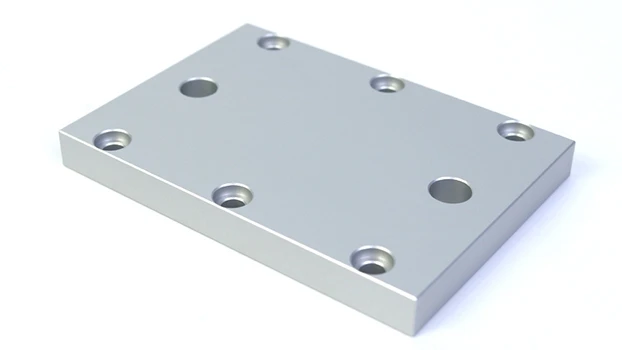
Manufacturing the Machine Bed for Milling Machine
The process of manufacturing a machine bed for milling machine involves several key stages:
- Casting: For machine beds made of cast iron, the manufacturing process typically begins with the casting of the bed in a mold. The mold is carefully designed to ensure the correct shape and dimensions, and the casting is often done using high-quality materials to minimize defects. After casting, the bed may undergo heat treatment to improve its hardness and resistance to wear.
- Machining: Once the cast or forged machine bed is produced, it is machined to precise specifications using high-precision milling machines. This step ensures that the bed is flat, smooth, and accurately aligned to support other components of the milling machine. CNC machining is often used to achieve tight tolerances and high accuracy.
- Surface Finishing: The surface of the machine bed is carefully finished to ensure a smooth, even surface that will not affect the performance of the milling machine. This may involve grinding, polishing, or coating the bed to reduce friction and enhance durability.
- Quality Control and Testing: Each machine bed undergoes rigorous quality control checks to ensure it meets the required specifications for flatness, alignment, vibration dampening, and durability. Advanced measuring techniques, such as laser scanning and surface profilometry, are used to confirm the machine bed's precision before it is installed in the milling machine.
Why Choose a High-Quality Machine Bed for Milling Machine?
- Enhanced Performance and Precision: A top-quality machine bed for milling machine ensures that your milling machine operates at peak performance, with minimal vibration, thermal distortion, or misalignment. This leads to more accurate cuts and greater consistency, improving the overall quality of the finished products.
- Reduced Maintenance Costs: Investing in a high-quality machine bed reduces the likelihood of structural failure or degradation over time, lowering long-term maintenance costs. A well-built bed is designed to last, offering a solid foundation for your milling machine's lifespan.
- Improved Productivity: A stable and rigid machine bed reduces downtime caused by vibrations, alignment issues, or machine malfunctions, enabling your milling machine to run more efficiently and productively.
- Better Return on Investment (ROI): A machine bed that enhances your milling machine's performance leads to better product quality, faster production times, and fewer maintenance issues. This translates to improved profitability and a stronger ROI over the life of your equipment.

Conclusion
The machine bed for milling machine is more than just a structural component; it is the foundation that determines the performance, accuracy, and longevity of your milling machine. Whether you're manufacturing high-precision components in aerospace, automotive, or industrial applications, a high-quality machine bed ensures that your milling operations run smoothly, efficiently, and with the utmost precision.
By choosing a robust, precision-engineered machine bed for milling machine, you are investing in a key element that will enhance the stability, accuracy, and productivity of your entire milling operation. When selecting a machine bed, prioritize materials, precision manufacturing, and long-term durability to ensure your milling machine performs optimally in the most demanding environments.
FAQ
Q:What materials are used in the construction of a high-quality milling machine bed?
A:Our milling machine beds are made from high-strength cast iron or steel, known for their durability, resistance to wear, and ability to absorb vibrations. Cast iron is often used for its superior dampening properties, while steel beds are chosen for their strength and stiffness in high-load applications. We also employ heat treatment to enhance material hardness and stability.
Q:How does a high-quality milling machine bed affect machining accuracy?
A:A high-quality bed provides a stable foundation that minimizes any movement or distortion, even under heavy machining forces. By reducing vibration and flexing, the bed ensures that the cutting tool maintains its alignment with the workpiece, resulting in precise, consistent cuts and improved surface finish. This leads to reduced tool wear and extended lifespan for both the machine and tools.
Q:Can I customize the milling machine bed to fit my specific machine model?
A:Yes, we offer customization options for specific machine models and applications. Whether you need a custom size, mounting holes, or specialized features, we can tailor the milling machine bed to meet your exact requirements. Just provide us with your specifications, and our engineering team will work with you to design a perfect fit.
Q:Are your milling machine beds compatible with other machines or systems?
A:Our milling machine beds are designed to be compatible with a variety of CNC and manual milling machines. However, for optimal fit and function, we recommend checking your machine's model and dimensions with our team. We also offer custom modifications to ensure compatibility with non-standard machines.
Q:How long will my milling machine bed last?
A:Our milling machine beds are built for longevity. With proper maintenance, they are designed to last for many years, even under continuous heavy-duty use. The robust materials and precision engineering ensure that they remain stable and reliable, providing consistent performance throughout their lifespan.
Q:Are your milling machine beds tested for quality?
A:Yes, every milling machine bed undergoes a series of rigorous tests to ensure it meets our high standards. These tests include:
- Dimensional accuracy checks using precision measurement tools.
- Vibration analysis to ensure stability during operation.
- Load-bearing tests to ensure the bed can handle the stresses of high-load applications without distortion.
We also provide certification upon request, detailing the test results and quality assurance procedures.
Hot Tags: high-quality milling machine bed, China high-quality milling machine bed manufacturers, suppliers, factory, custom cnc milling, step turning in lathe machine, engine turning machine, 50w laser cutter, stamping plastic parts, 5 axis mill
Send Inquiry
