


Chain Sprocket
Precision Machining Parts
Machinery Axis: 3,4,5,6
Tolerance:+/- 0.01mm
Special Areas : +/-0.005mm
Surface Roughness: Ra 0.1~3.2
Supply Ability:500000Piece/Month
1-Piece Minimum Order
3-Hour Quotation
Samples: 1-3 Days
Lead time: 7-14 Days
Certificate:Medical,Aviation,Automobile,
ISO13485, IS09001, AS9100, IATF16949
Processing Materials: aluminum, brass, copper, steel, stainless steel, iron, plastic, and composite materials etc.
Send Inquiry
Product Details ofChain Sprocket
Whether you're a professional in the manufacturing industry or a savvy DIY enthusiast, understanding what to look for in a chain sprocket can make a significant difference in the performance and longevity of your machinery or projects. In this article, we'll delve into key considerations for buyers when acquiring chain sprockets.

1. Material Matters
The first and foremost consideration for chain sprockets is the material. These components are often subjected to high levels of stress and wear, so opting for a material that can withstand these conditions is vital. Common materials for chain sprockets include carbon steel, alloy steel, and stainless steel. Each material has its own set of advantages and applications, so choose based on factors such as load capacity, corrosion resistance, and the specific demands of your machinery.
2. Pitch Perfect: Matching Sprocket and Chain
Chain sprockets are designed to work in tandem with specific types of chains, and ensuring the right pitch is crucial. The pitch refers to the distance between chain links and must align with the corresponding sprocket. Mismatched pitch sizes can result in inefficient power transmission, increased wear, and even system failure. Always consult the manufacturer's specifications and match the pitch of your chain and sprocket accurately.
3. Tooth Profile: Precision in Motion
The tooth profile of a chain sprocket influences its engagement with the chain, affecting efficiency and overall performance. The most common tooth profiles include standard, which is suitable for most applications, and specialized profiles like double-tooth and high-performance profiles for specific industrial needs. Understand the requirements of your machinery and select a tooth profile that aligns with those needs.
4. Hardened Teeth for Durability
The durability of a chain sprocket largely depends on the hardness of its teeth. Hardened teeth are more resistant to wear and abrasion, ensuring a longer lifespan for the sprocket and the entire chain drive system. Look for chain sprockets that undergo proper heat treatment processes to achieve the desired hardness level.
5. Hub Style and Bore Size
The hub style and bore size of a chain sprocket are critical for proper installation. Ensure that the hub style matches your machinery's requirements, whether it's a type A hub for light-duty applications or a type C hub for heavier loads. Additionally, verify that the bore size of the sprocket matches the shaft diameter of your machinery to facilitate a secure and stable connection.
6. Corrosion Resistance
For applications in challenging environments, such as outdoor machinery or those exposed to chemicals, corrosion resistance is a key consideration. Stainless steel chain sprockets are renowned for their resistance to rust and corrosion, making them suitable for applications where exposure to moisture or chemicals is a concern.


About Our More Services.
Processing Material

Aluminum


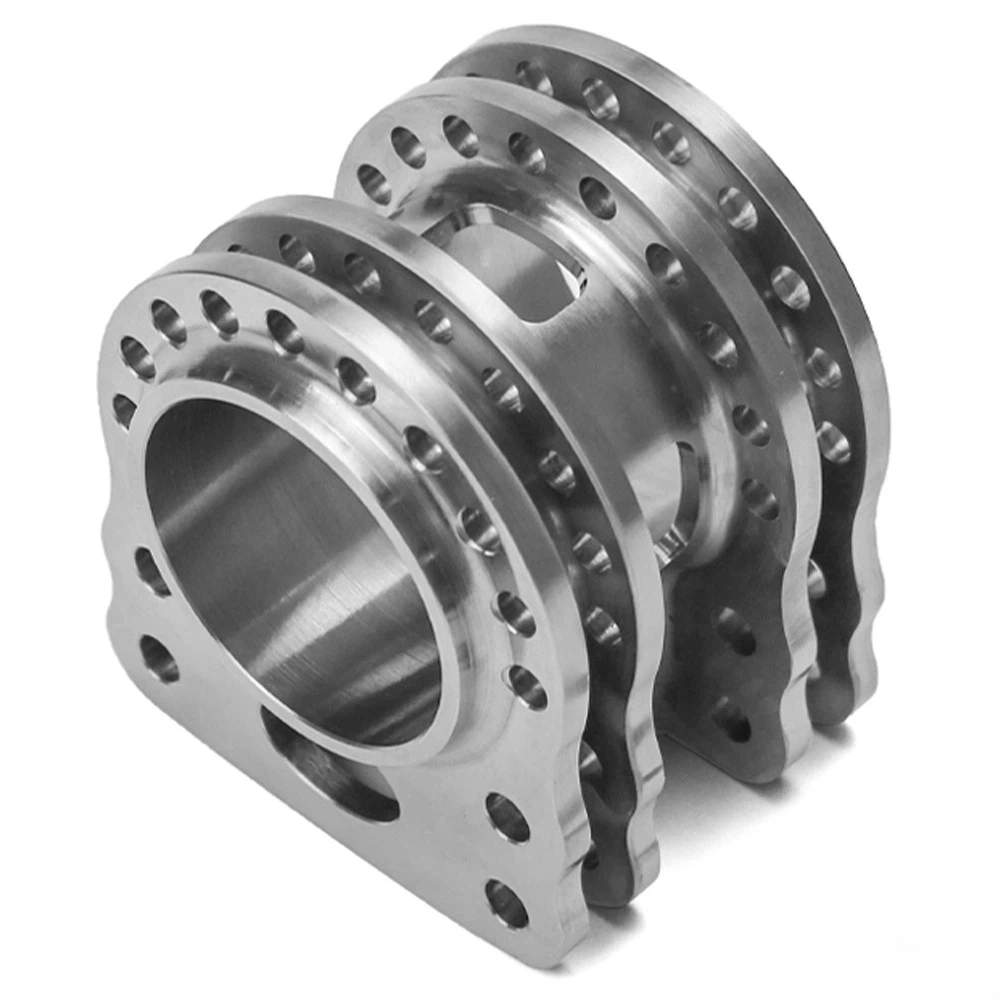
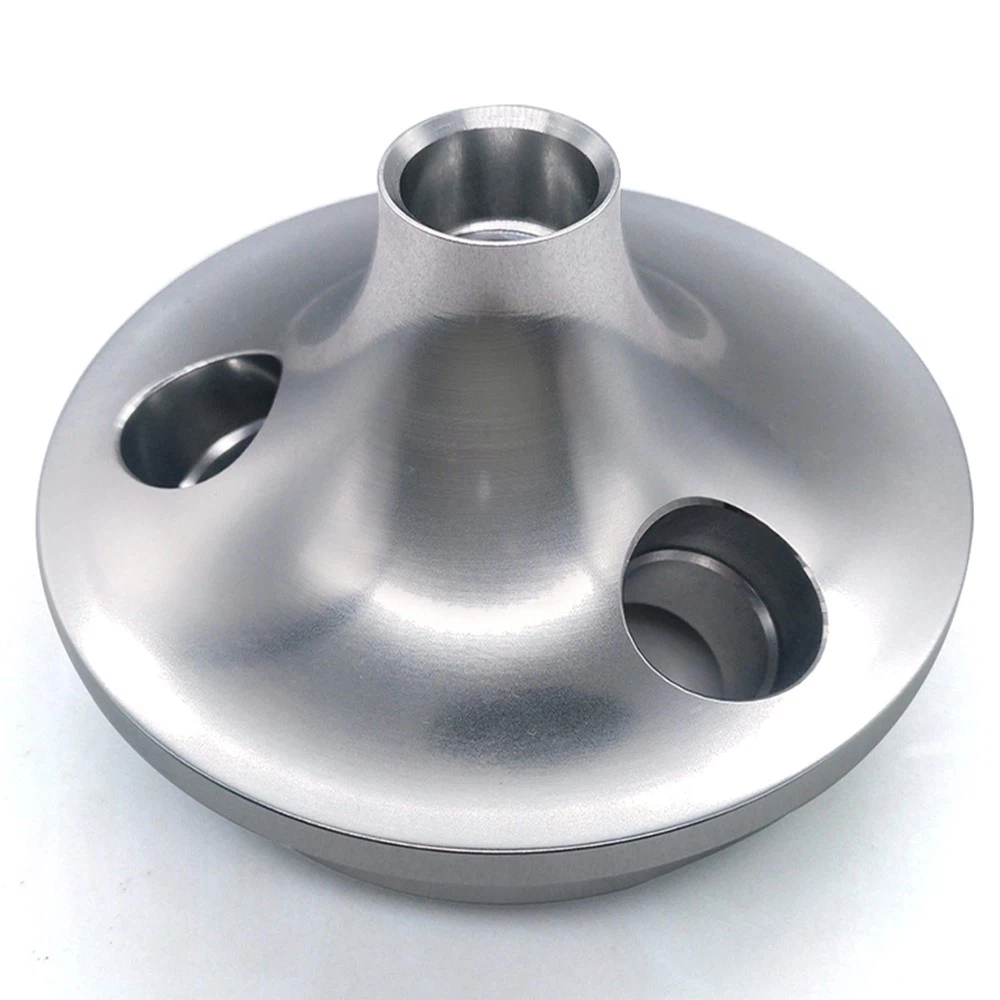
Stainless Steel/Steel/Titanium Alloy



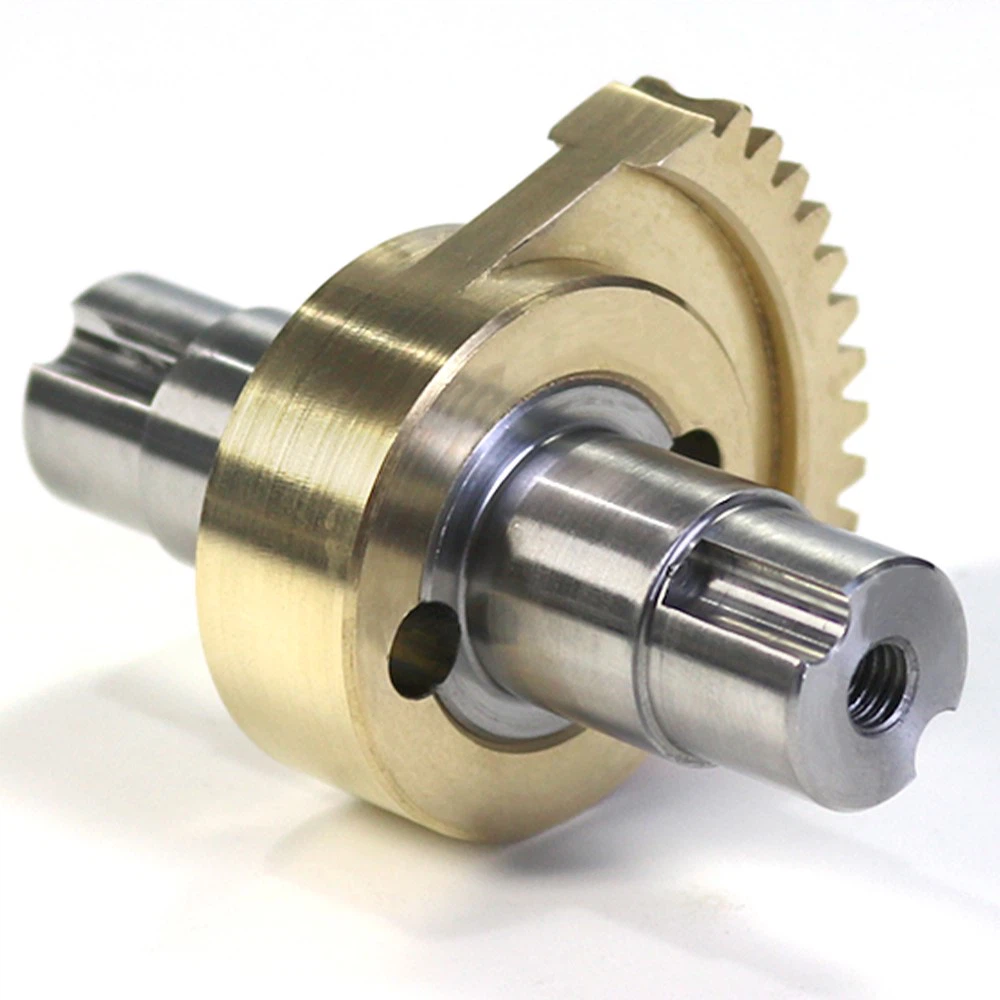
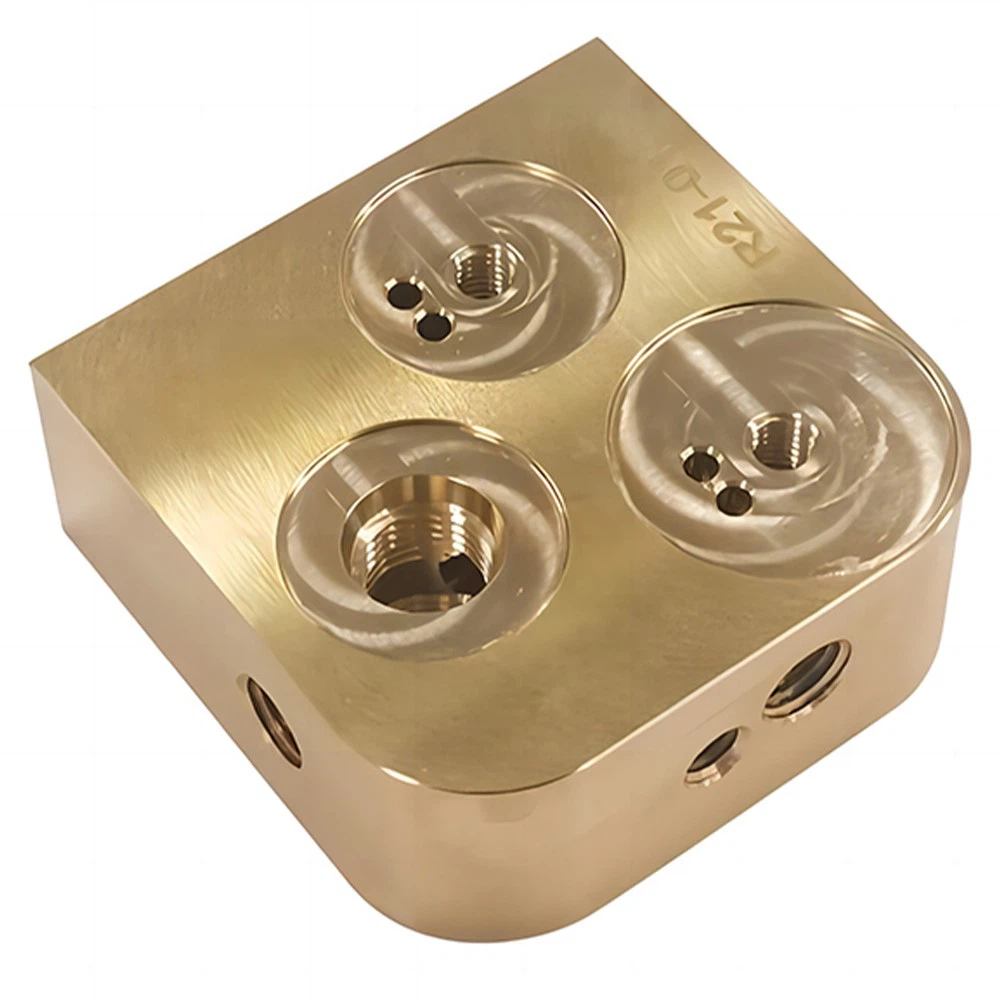
Brass/Copper



Plastic



our Services


Certified


Hot Tags: chain sprocket, China chain sprocket manufacturers, suppliers, factory, part stamping machine, medical parts, part number stamping machine, aluminium road bike wheels, cnc turning center, custom large medical plastic parts
Send Inquiry
