


Aluminum Parts Manufacturer
As a CNC manufacturer, producing aluminum parts can be a lucrative venture due to the metal's versatility, lightweight properties, and widespread industrial applications. However, achieving precision and consistency in aluminum parts manufacturing requires a specialized approach. In this article, we will delve into the world of aluminum parts manufacturing, offering strategies and insights to help CNC manufacturers excel in this field.

Material Selection and Understanding
Aluminum comes in various alloys, each with distinct properties. To excel in aluminum parts manufacturing, you must:
Select the Right Alloy: Choose an aluminum alloy that aligns with the intended application, considering factors like strength, corrosion resistance, and weldability.
Understand Properties: Familiarize yourself with the material's thermal conductivity, machinability, and other mechanical properties, as these factors impact machining processes.
Tooling for Aluminum Machining
Precision in aluminum parts manufacturing starts with selecting the right cutting tools:
Coatings: Utilize tool coatings like TiAlN or AlTiN to reduce friction and improve tool life.
Geometry: Opt for geometry designed for aluminum machining to minimize chip formation and improve surface finish.
Coolant: Use appropriate coolants to dissipate heat effectively and prolong tool life.
CNC Machine Selection and Setup
Choosing the right CNC machine and configuring it correctly are critical for successful aluminum machining:
 Machine Rigidity: Opt for a machine with sufficient rigidity to handle aluminum's low cutting forces and minimize vibrations.
Spindle Speed and Feed Rates: Adjust spindle speeds and feed rates to suit the specific aluminum alloy being machined.
Workholding: Ensure secure and efficient workholding solutions to prevent vibrations and minimize part movement during machining.
Optimized Machining Parameters
Fine-tuning machining parameters is essential for precision and efficiency:
Cutting Speed: Set the appropriate cutting speed based on the material and tooling. Aluminum often requires higher speeds than other metals.
Feed Rate: Balance feed rates to maintain chip control and prevent tool wear.
Depth of Cut: Adjust the depth of cut to avoid overloading the tool while removing material efficiently.
Chip Management and Evacuation
Effective chip control is vital for aluminum machining:
Chip Breakers: Utilize tools with chip breakers to facilitate chip control and prevent jams.
Adequate Coolant: Ensure proper coolant flow to assist in chip evacuation and reduce the risk of chip re-cutting.
Quality Control and Inspection
Rigorous quality control is essential for producing precise aluminum parts:
 Advanced Measurement Equipment: Employ tools like Coordinate Measuring Machines (CMMs) for accurate dimensional checks and inspections.
Surface Finish Assessment: Monitor and control surface finish to meet customer requirements.
Environmental Considerations
Aluminum machining can generate airborne particles and waste. Implement strategies to:
Dust Collection: Use dust collection systems to maintain a clean and safe working environment.
Sustainable Practices: Explore sustainable approaches for managing aluminum waste and recycling.
Continuous Learning and Improvement
The CNC manufacturing landscape is ever-evolving. Stay updated with the latest technologies, machining strategies, and best practices through continuous learning and adaptation.
Processing Material

Aluminum


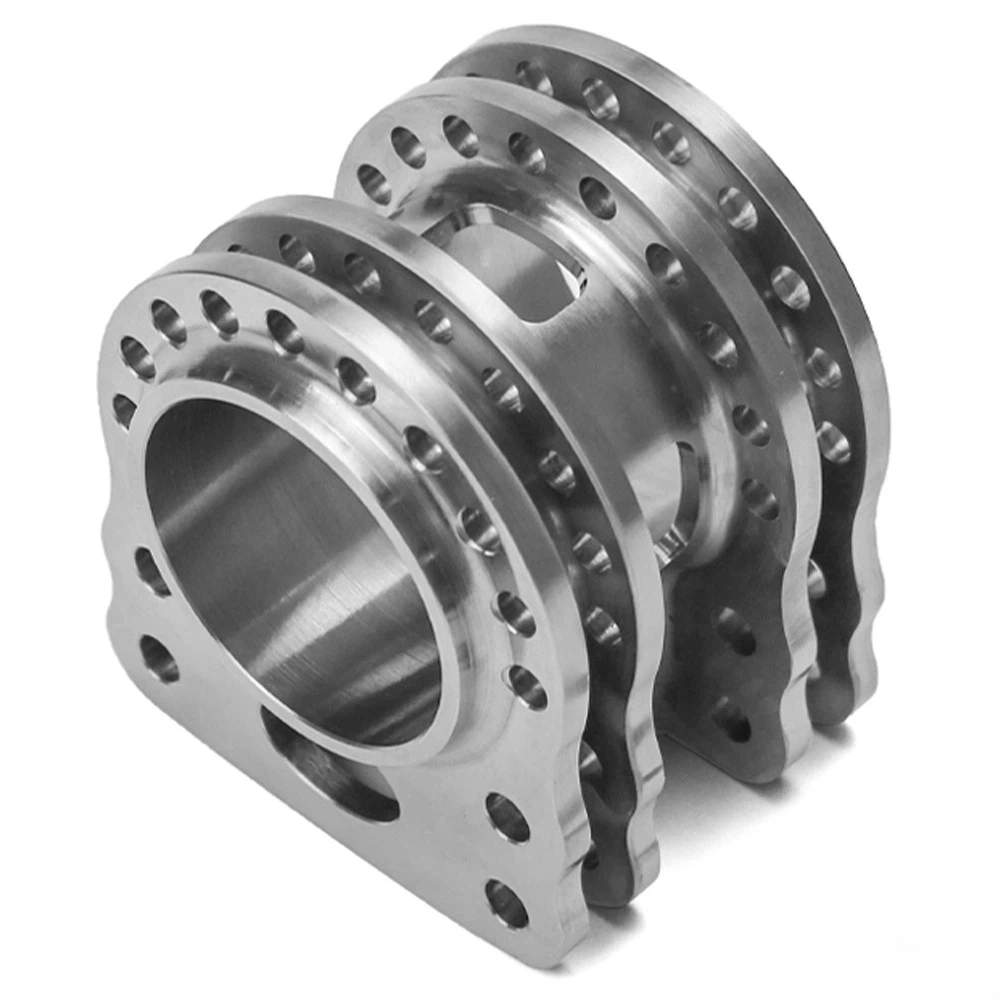
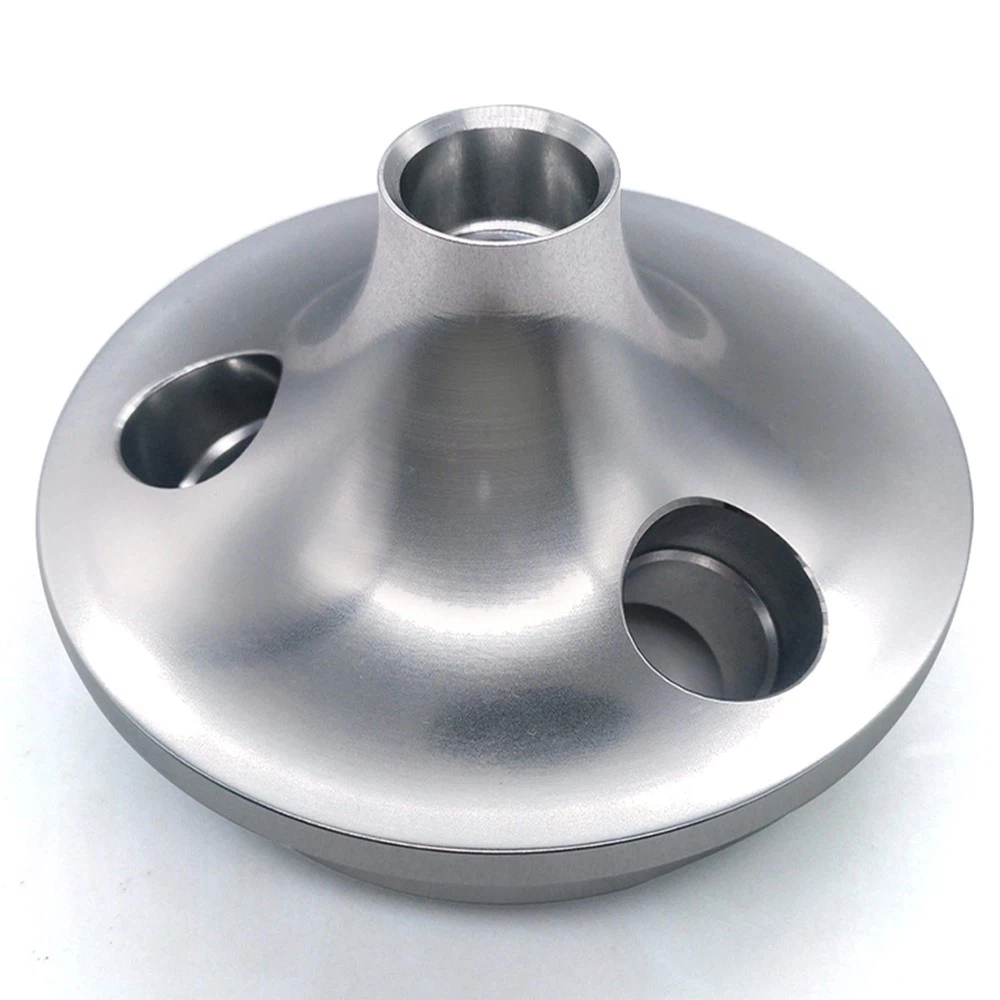
Stainless Steel/Steel/Titanium Alloy



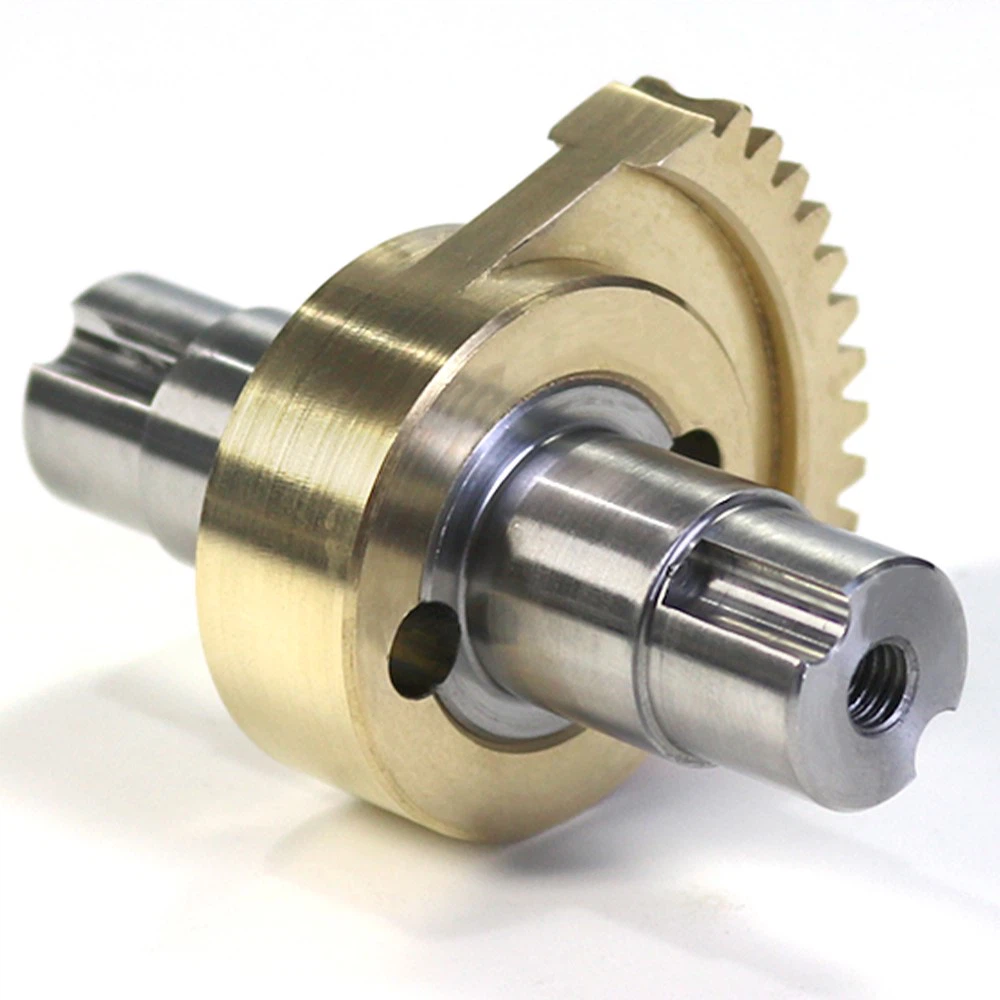
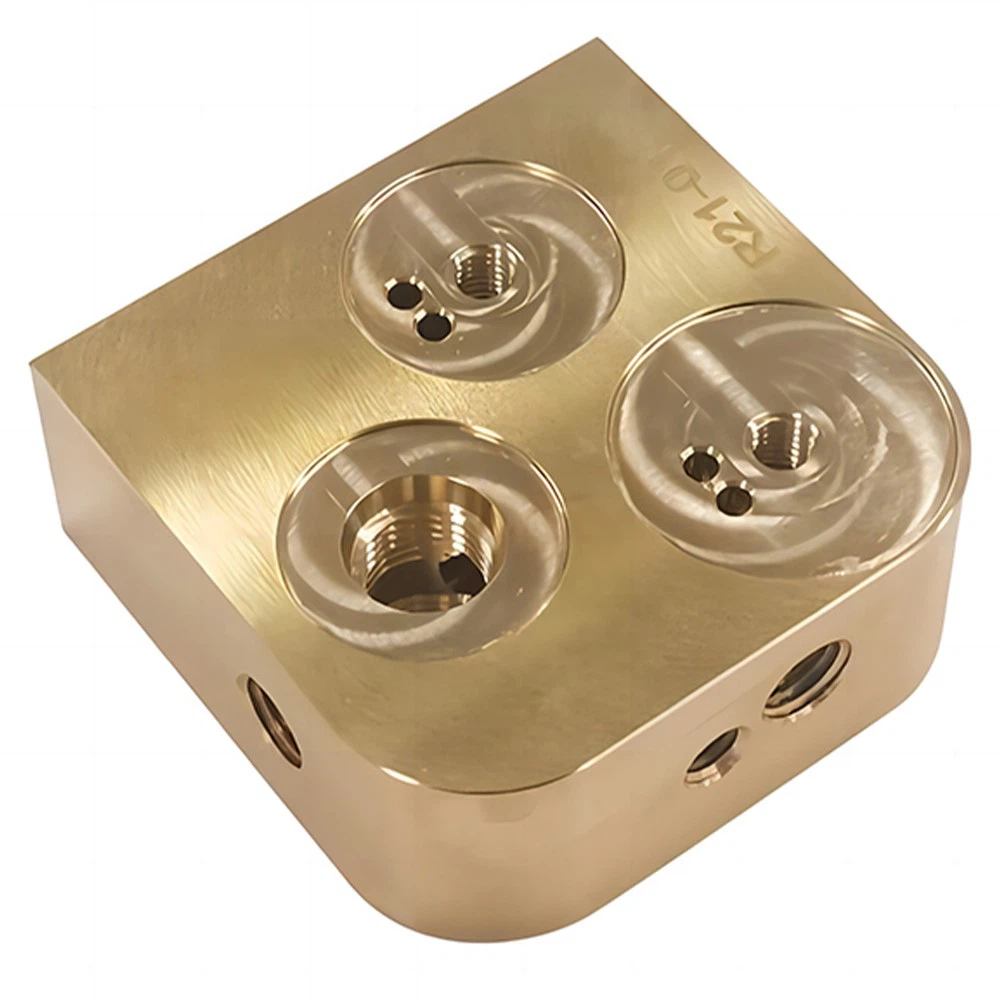
Brass/Copper



Plastic



our Services


Certified


Hot Tags: aluminum parts manufacturer, China aluminum parts manufacturer manufacturers, suppliers, factory, stainless steel railing parts, aluminum cnc service, offset bending sheet metal, co2 laser air assist, aluminium bicycle wheels, co2 laser cnc
Send Inquiry
